EdgeComet

Web cache service for
website speed and performance

Serve every page in under 15ms to bots and users with a built-in two-tier cache that runs independently from your application, recaches automatically, and never drops a response even when your origin is under pressure.

Get 14-day free trial Contact sales No credit card required ✦ Cancel anytime
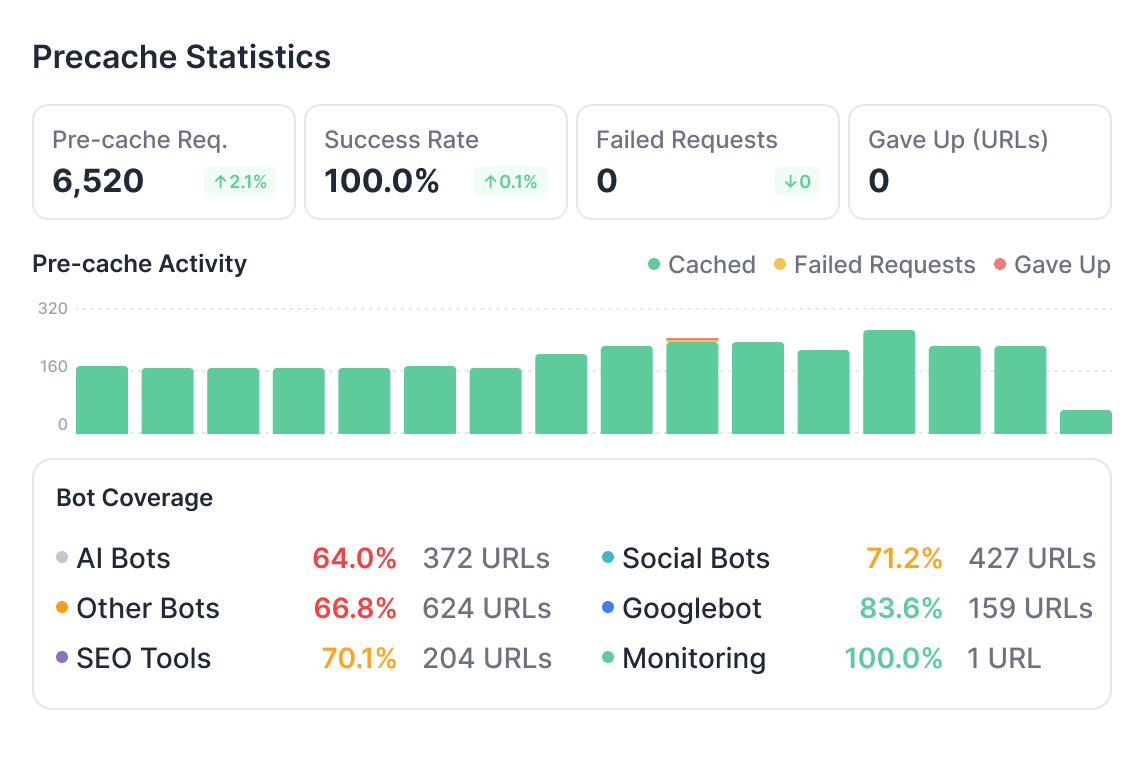
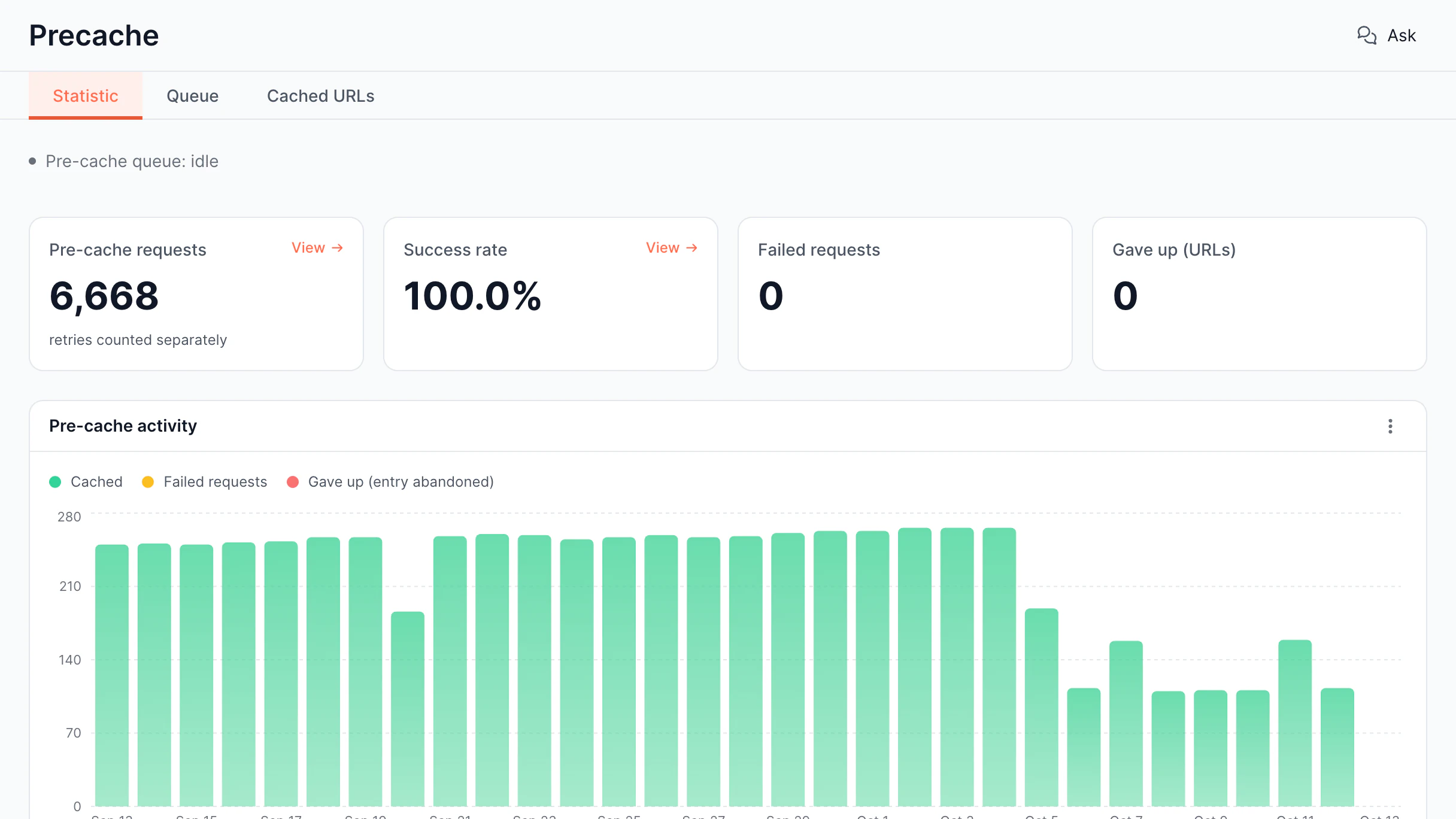
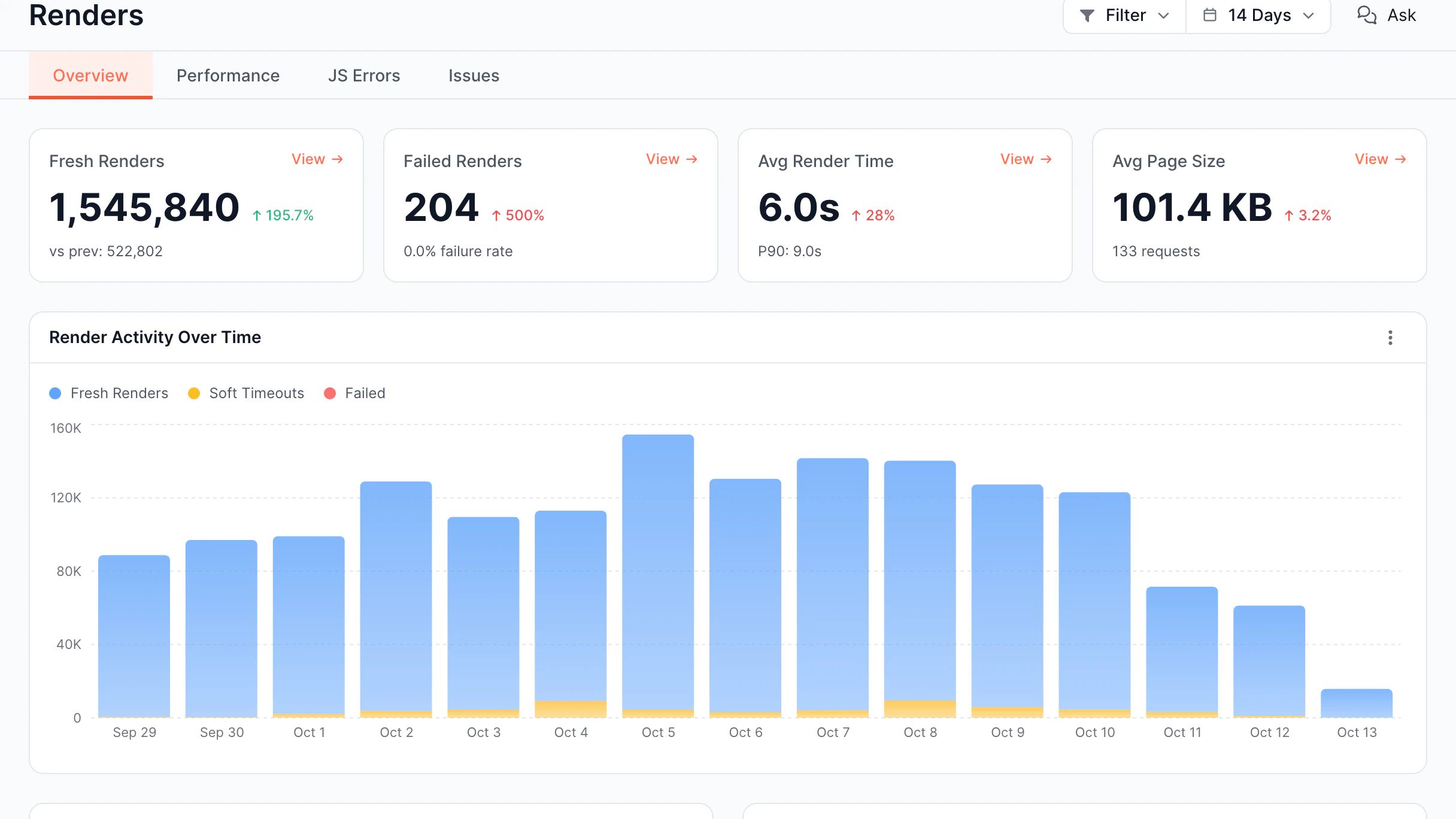
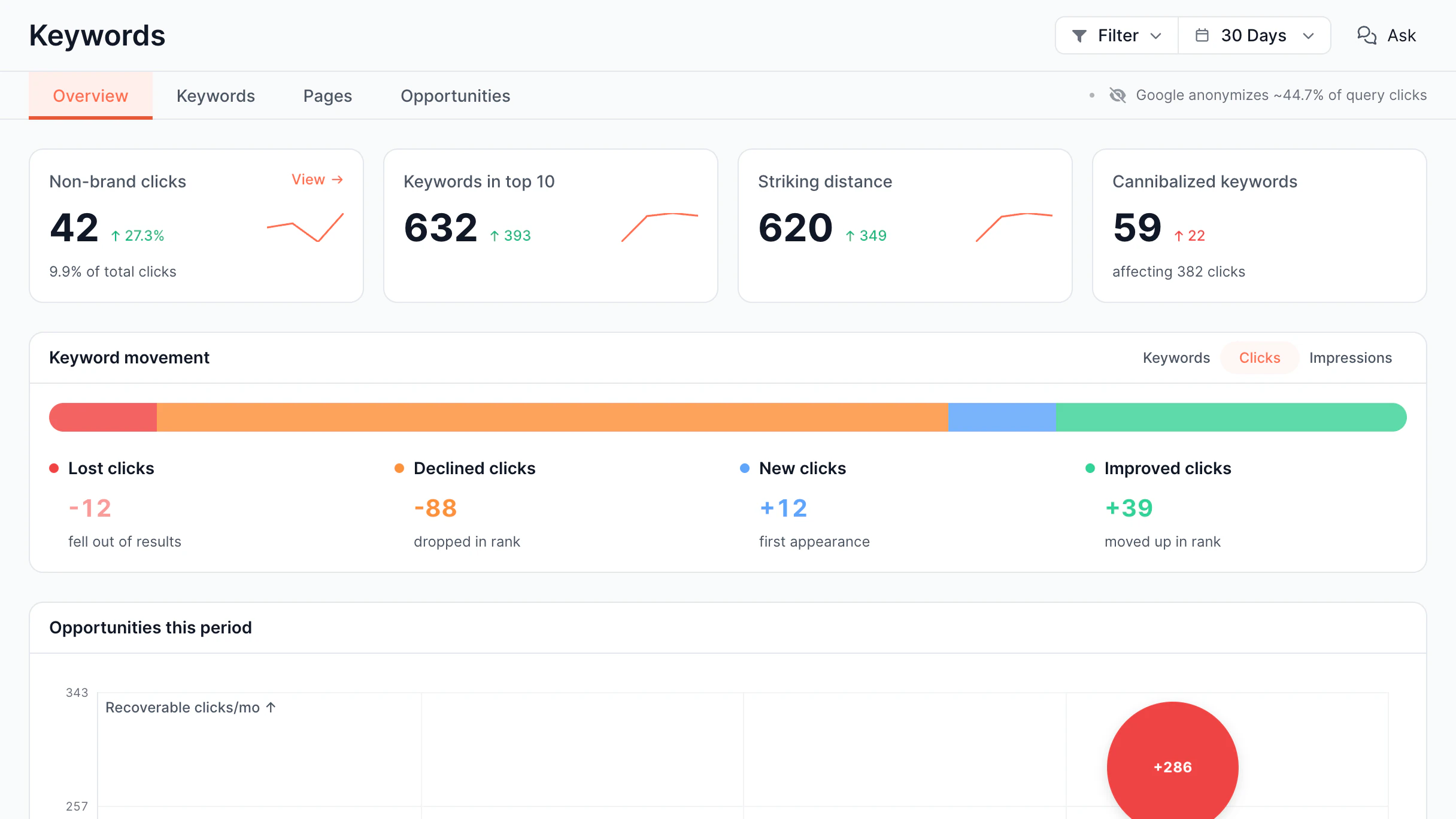
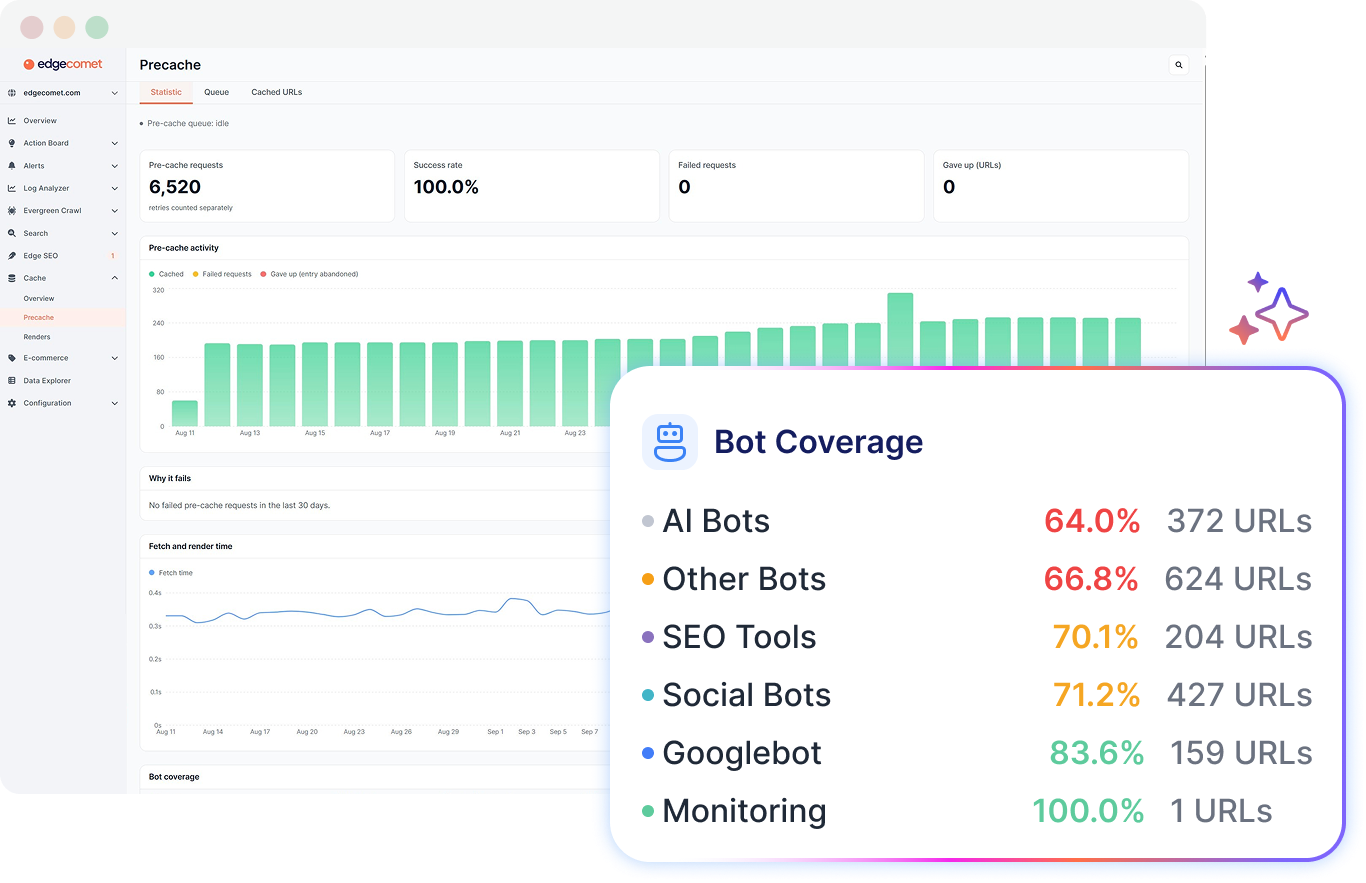
EdgeComet Precache statistics dashboard with a Bot Coverage panel

What website performance issues can caching solve

Without a dedicated cache service, every request affects your origin server. Slow responses may cost you crawl frequency, rankings, and conversions before you have a chance to react.

Bots crawl fewer pages without a cache

Search engines distribute a crawl budget based on how fast servers respond. Without cache, pages can take much longer to load, so Googlebot inspects fewer URLs per visit.

Cache misses serve errors instead of content

When a cache entry expires during a traffic spike or a rendering job fails, the request falls through to an overloaded origin, often returning a 5xx error to the bot or user that triggered it.

Origin servers absorb full traffic load

Every bot request, traffic spike, and re-crawl hits servers directly. Without a cache absorbing repeated requests, infrastructure costs increase and response times degrade under load.

One cache TTL doesn't fit all pages

Without per-page or per-pattern TTL rules, you have to choose between serving outdated content too long or invalidating the entire cache. Neither is acceptable for large sites.

Bots now outnumber your users

Every one of those requests asks your website to build a full HTML page.

57.5% Bots

42.5% Humans

Share of HTML requests on the web - Cloudflare Radar, 2025

EdgeComet cache serves the bots
Your website serves your customers

Every bot request stops at EdgeComet. Your website only builds a page when the cache needs a fresh copy, and your customers reach it directly, exactly as they do today.

Bot traffic

  • Googlebot
  • Bingbot
  • GPTBot
  • ClaudeBot
  • PerplexityBot
  • Scrapers and impostors

EdgeComet cache

A complete HTML page,
served to bots in under 15ms.

Your customers

Your website

Your servers and database stay focused on real users.

Nothing is
blocked

Every bot gets a complete page. No IP lists to maintain, no firewall rules to keep current, and no chance of shutting out Googlebot by accident.

Your servers
go quiet

A page is built once when the cache refreshes it, instead of once for every bot that asks. A surge of bot traffic stops turning into server load and hosting bills.

Customers never touch the cache

Your visitors reach your website exactly as they did before. Nothing private ever enters EdgeComet, so it can never show one person another person's page.

Caching,
explained

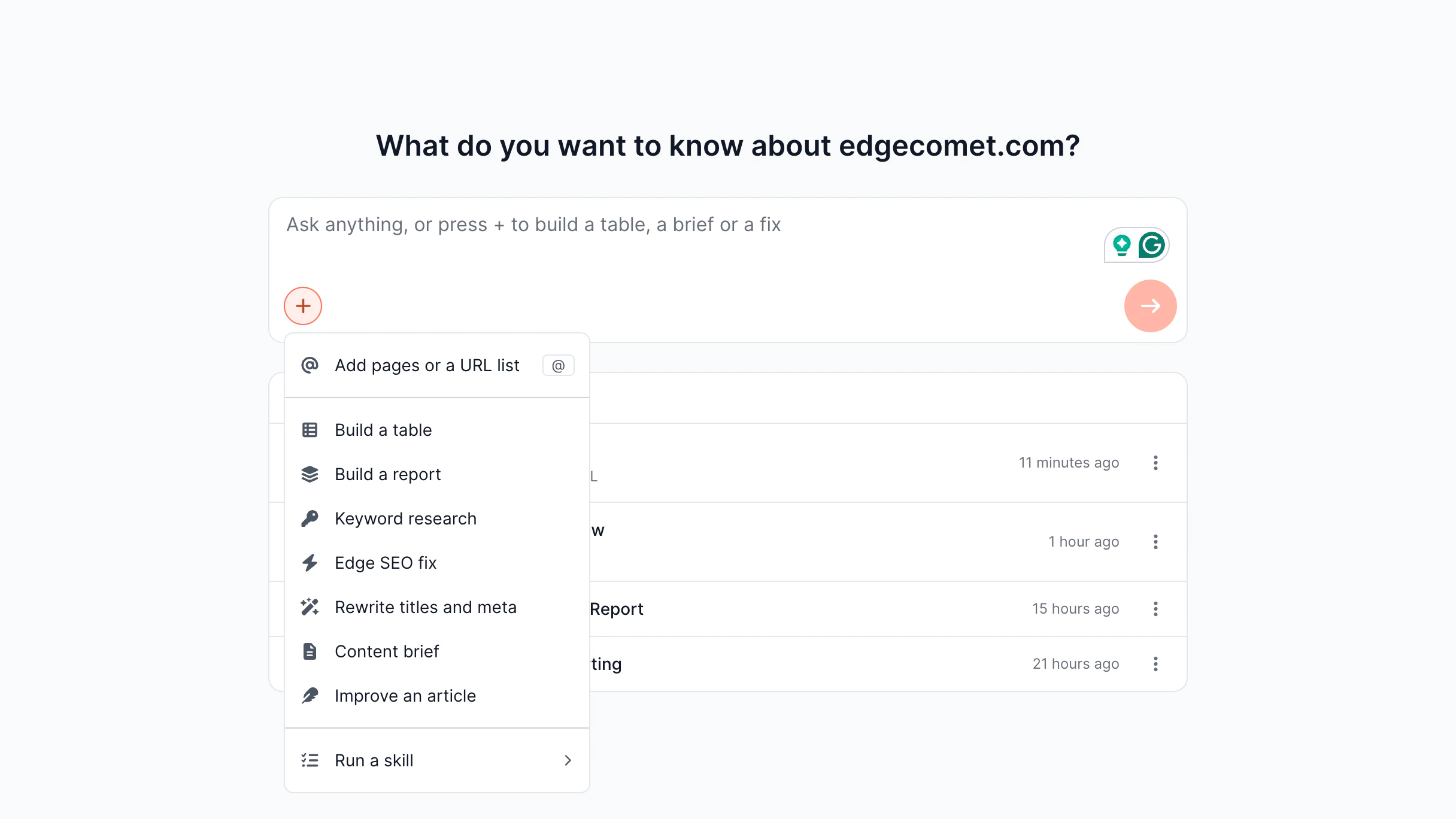
Without a cache, every bot request makes your server build the page from scratch. See how a ready copy of each page lets Google and AI bots crawl more of your site.

Get 14-day free trial

Explore features of our
web cache service

A built-in multi-layer cloud cache service with 15ms response, per-URL TTL control, automatic
recaching, and a stale fallback ensuring bots and users always receive a response.

Prime

Proactive cache warming

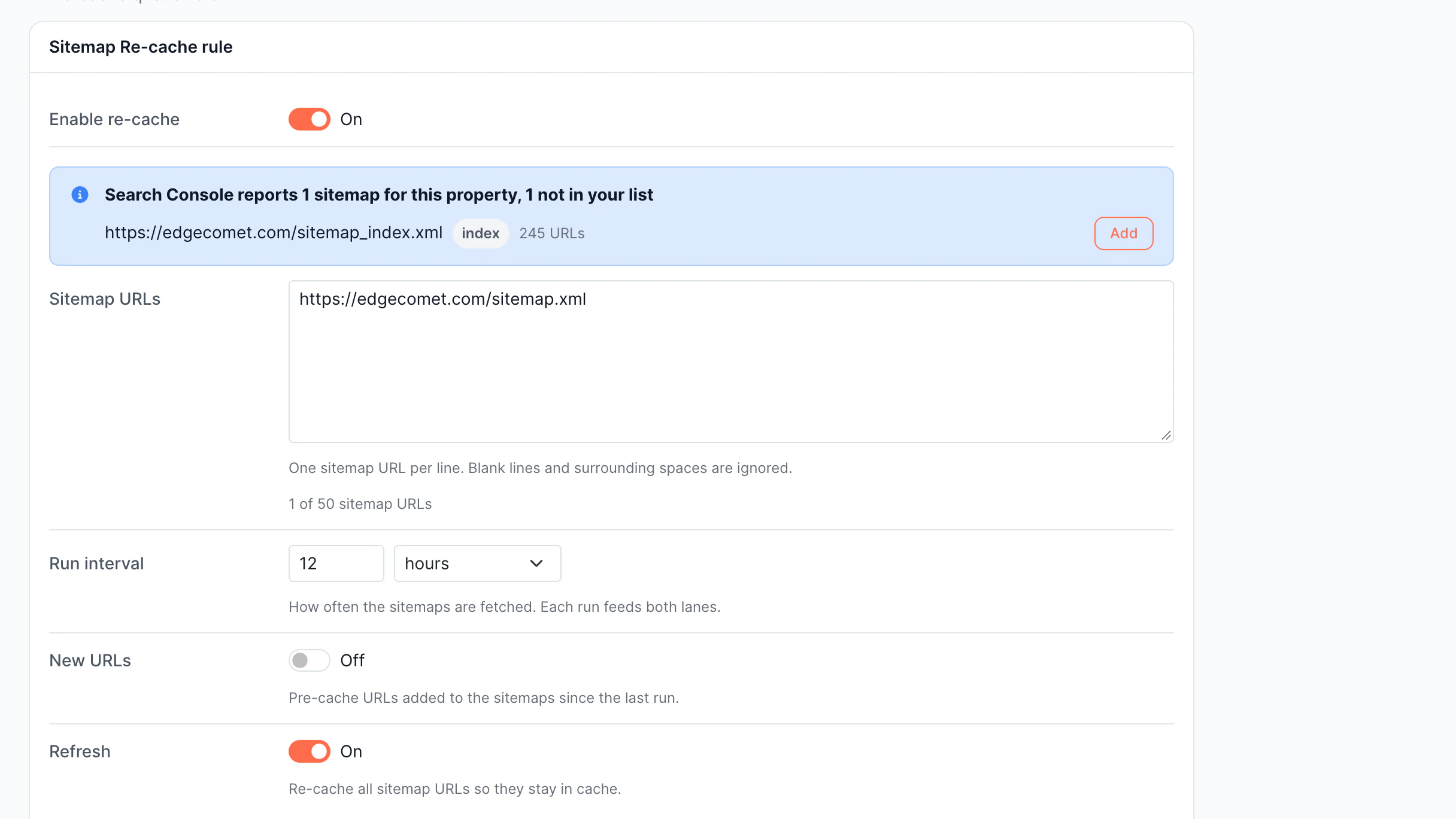
EdgeComet does not wait for a bot to explore an empty cache. Pages are retrieved, rendered and cached in advance from your sitemap, URLs Search Console reports, and crawl patterns.

  • Recache the pages that bots return to Warming is caused by real crawl, so capacity goes where bots go.
  • Use the webhook API to push on-demand updates A deploy or a price change invalidates exactly the URLs it impacted.
  • Execute urgent and automated jobs in a single prioritized queue A launch is always ahead of the archive refresh.
Precache Statistics panel with pre-cache requests, success rate, and bot coverage breakdown
Adapt

Smart refreshing and invalidation

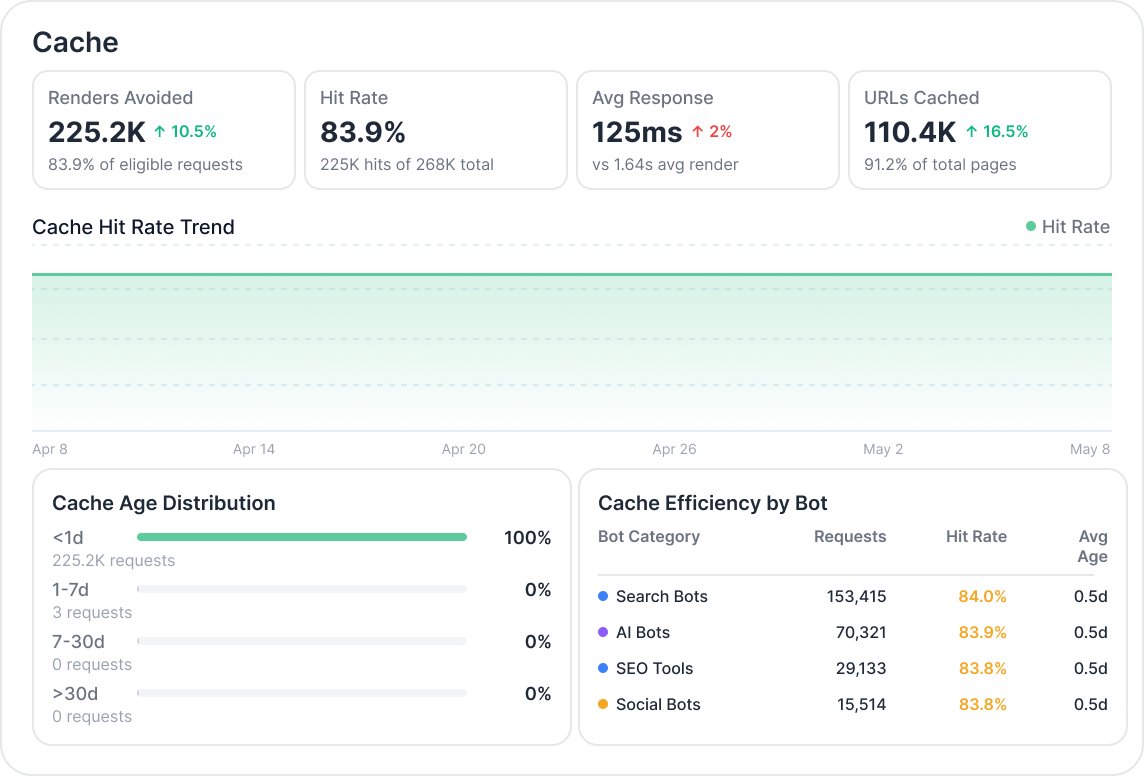
Freshness is determined per page. Frequently updated pages and content earning clicks in Google and AI answers refresh every day or more quickly.

  • Update rate follows how frequently content changes EdgeComet compares each render against the previous version
  • URLs earning organic traffic earn priority Search Console data defines the refresh queue
  • Override any URL pattern with an explicit TTL Listings in minutes, editorial in hours, legal pages in weeks
  • A failed refresh is covered by a stale fallback A bot receives the last good version instead of a 5xx
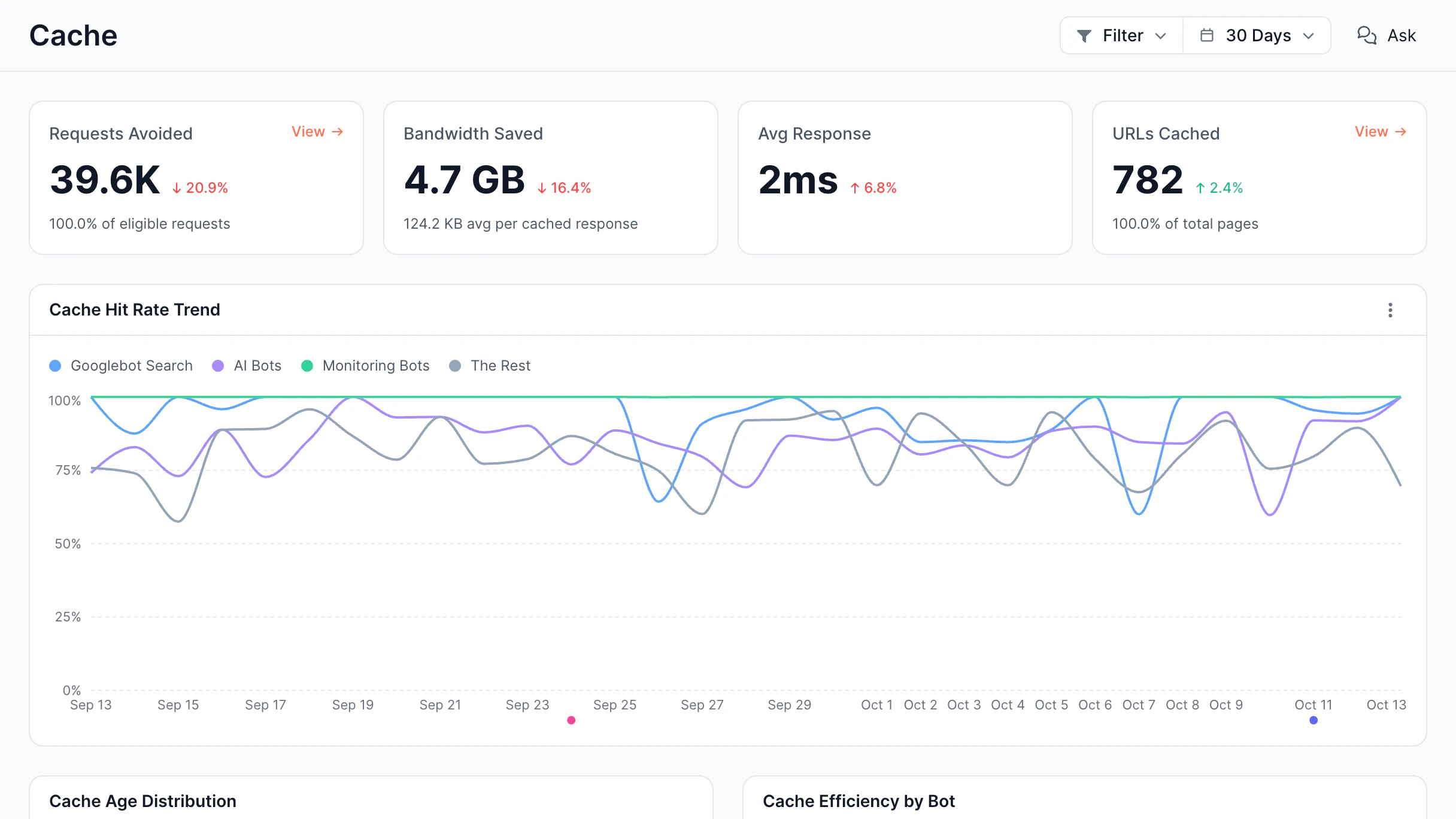
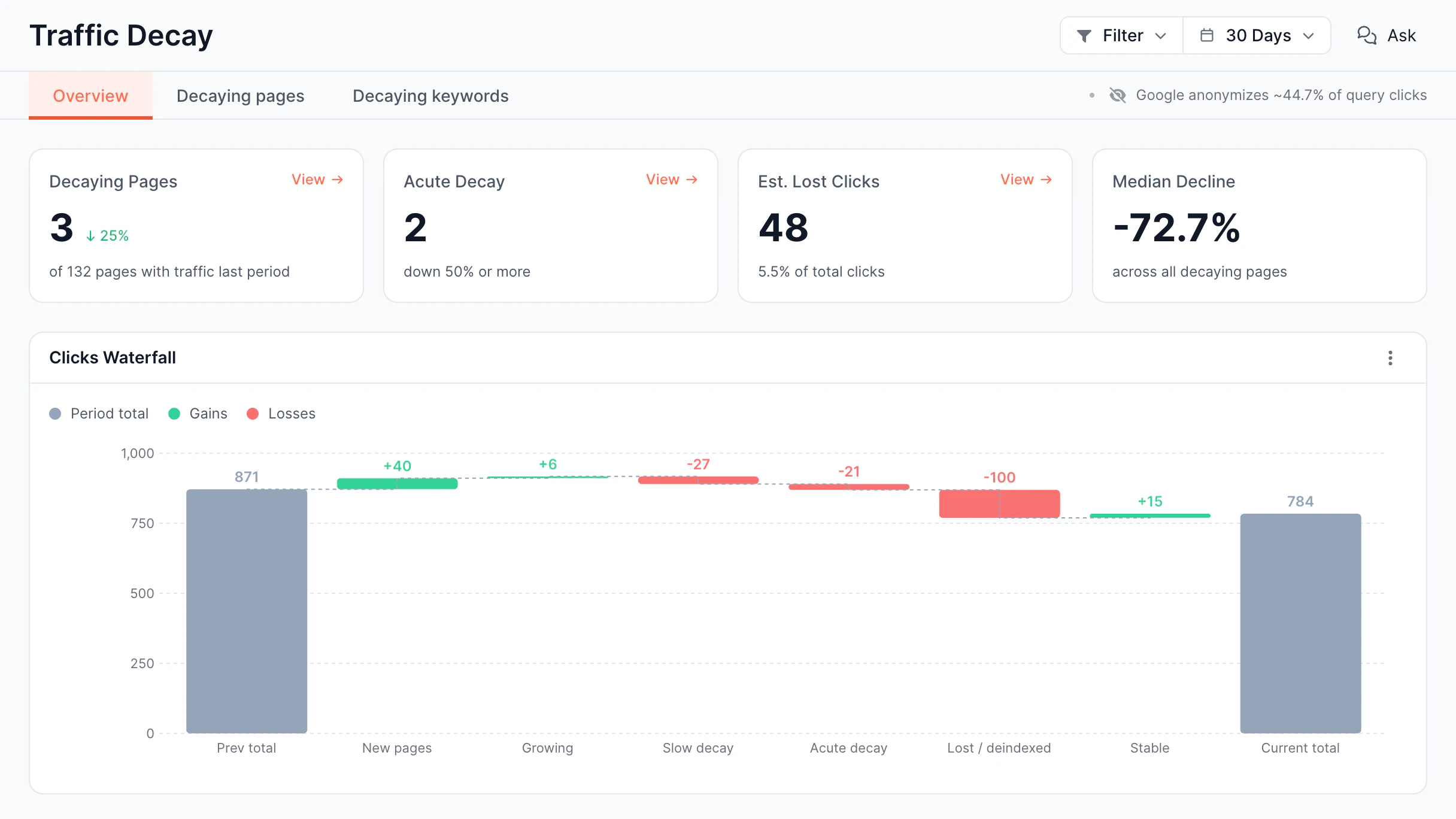
Cache panel with renders avoided, hit rate, cache age distribution, and cache efficiency by bot
Inspect

Full cache visibility

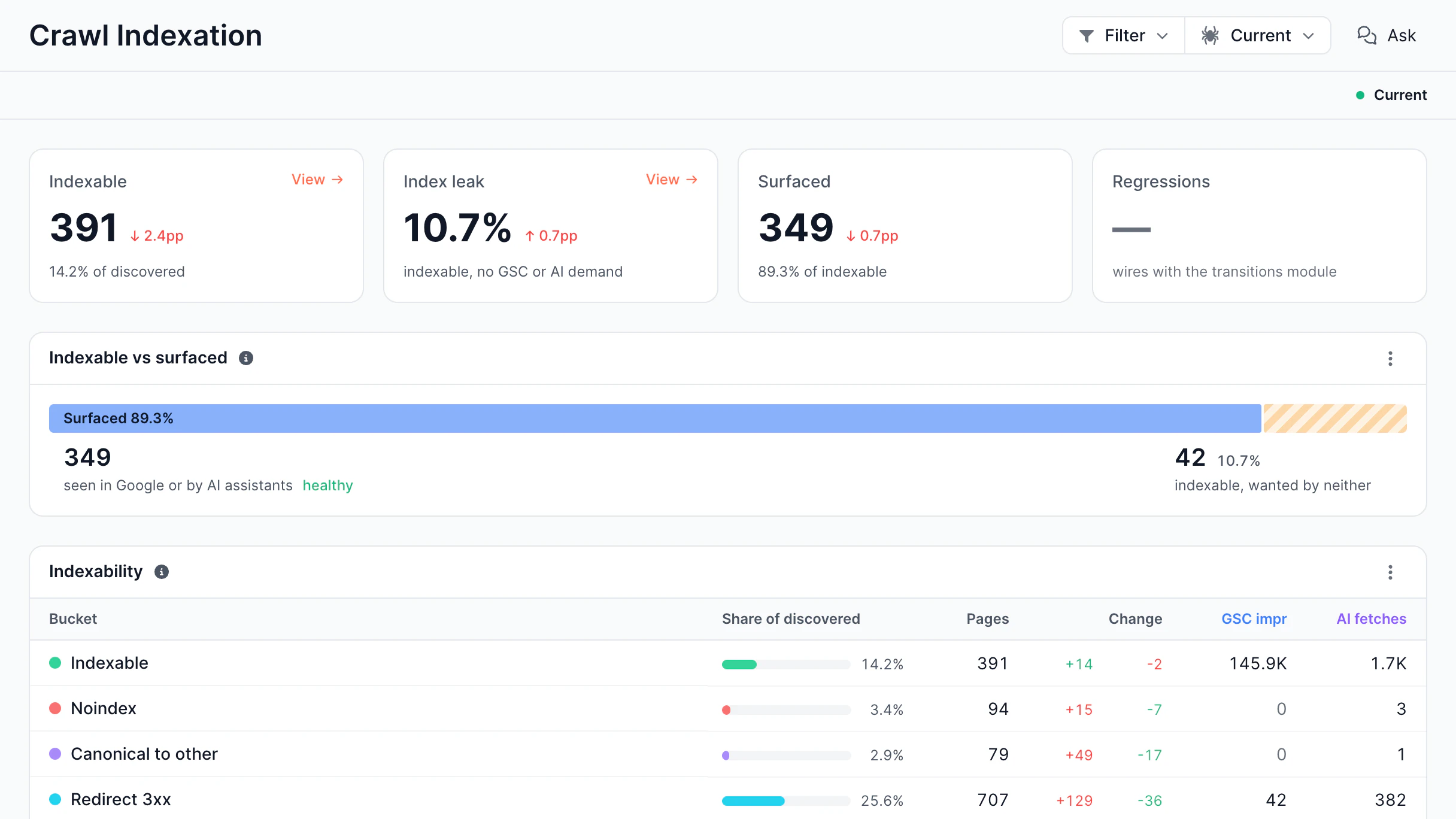
You can open the cache and read it. Every cached page, the exact HTML each bot got, when it was stored, what changed since the previous version, and hit and miss rates over time.

  • Discover HTML for any URL View the title, canonical, and structured data a bot was shown
  • Check what changed between cached versions Learn when a title or canonical moved, and during which render it occurred
  • Track hit and miss rates per bot and per section Find the website parts where bots reach your origin
  • Confirm coverage before you rely on it Validate behavior on live traffic before you switch over
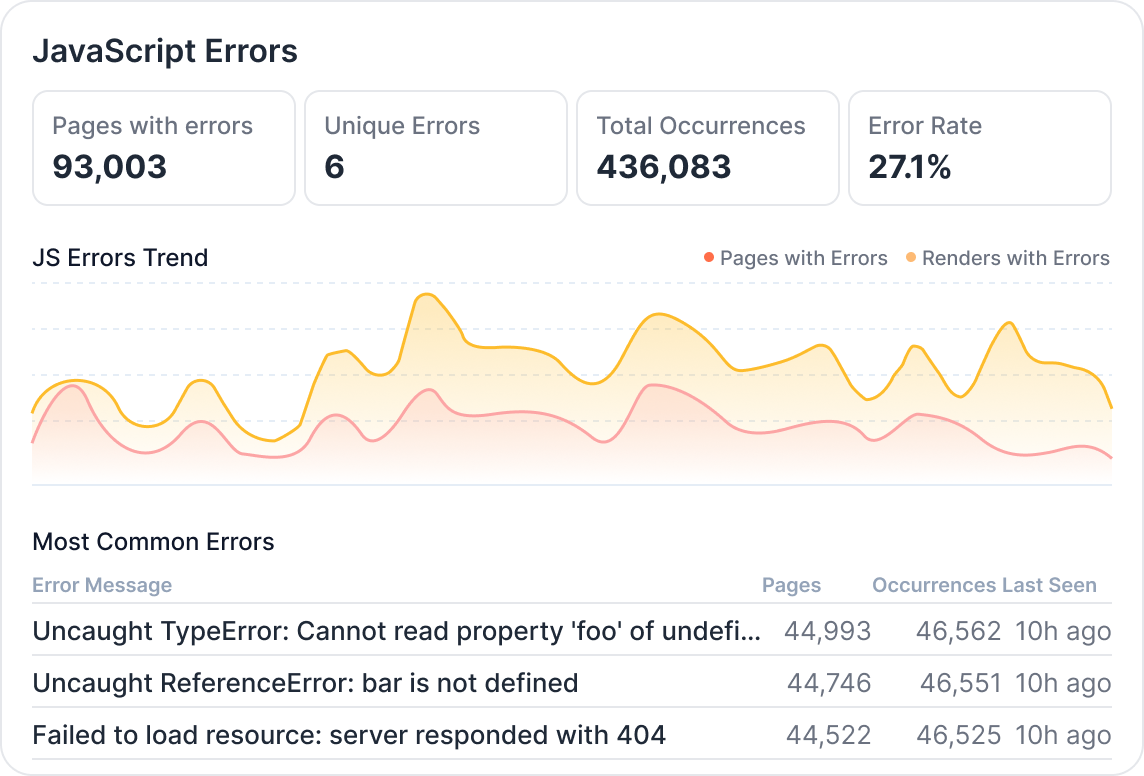
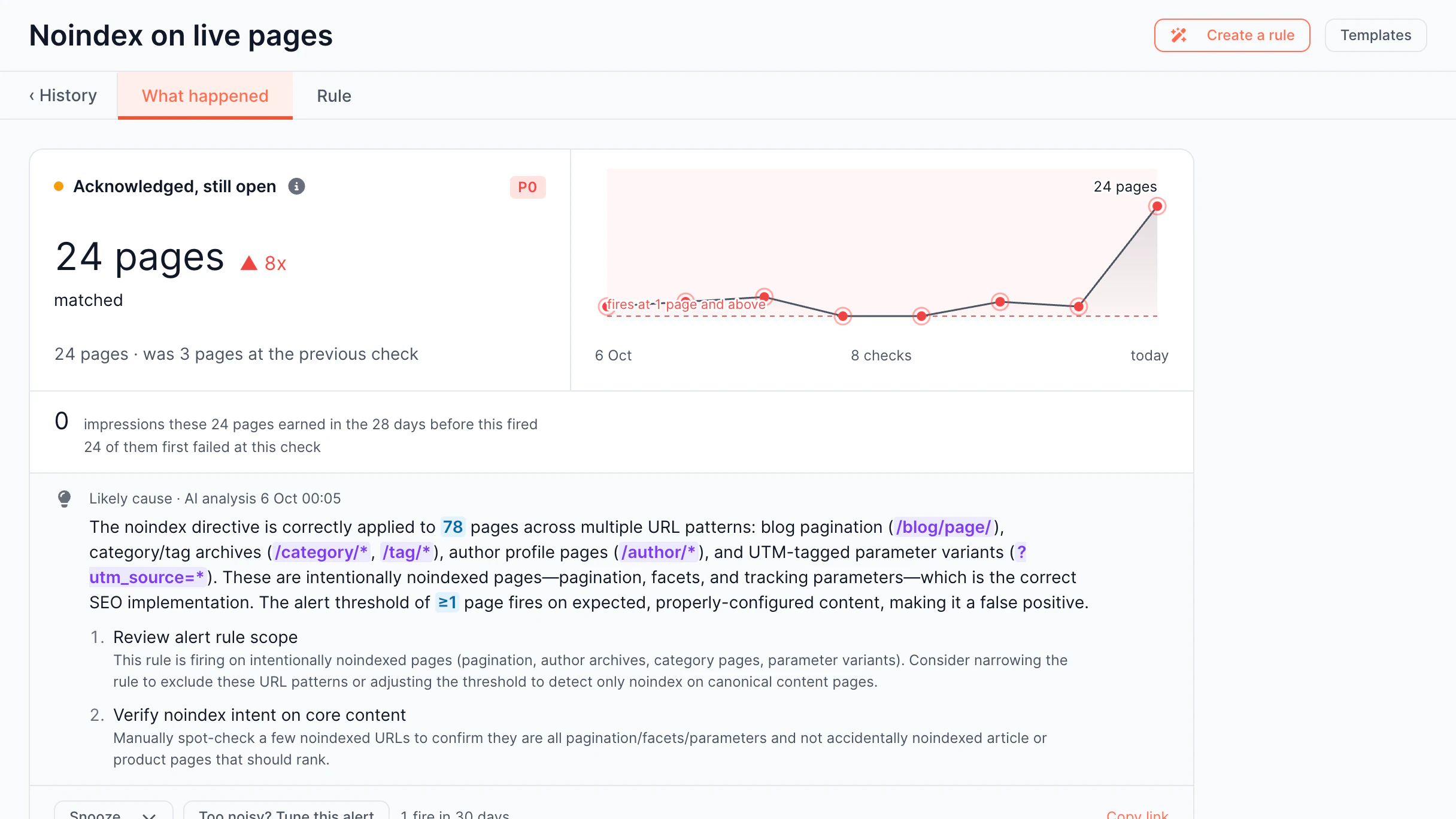
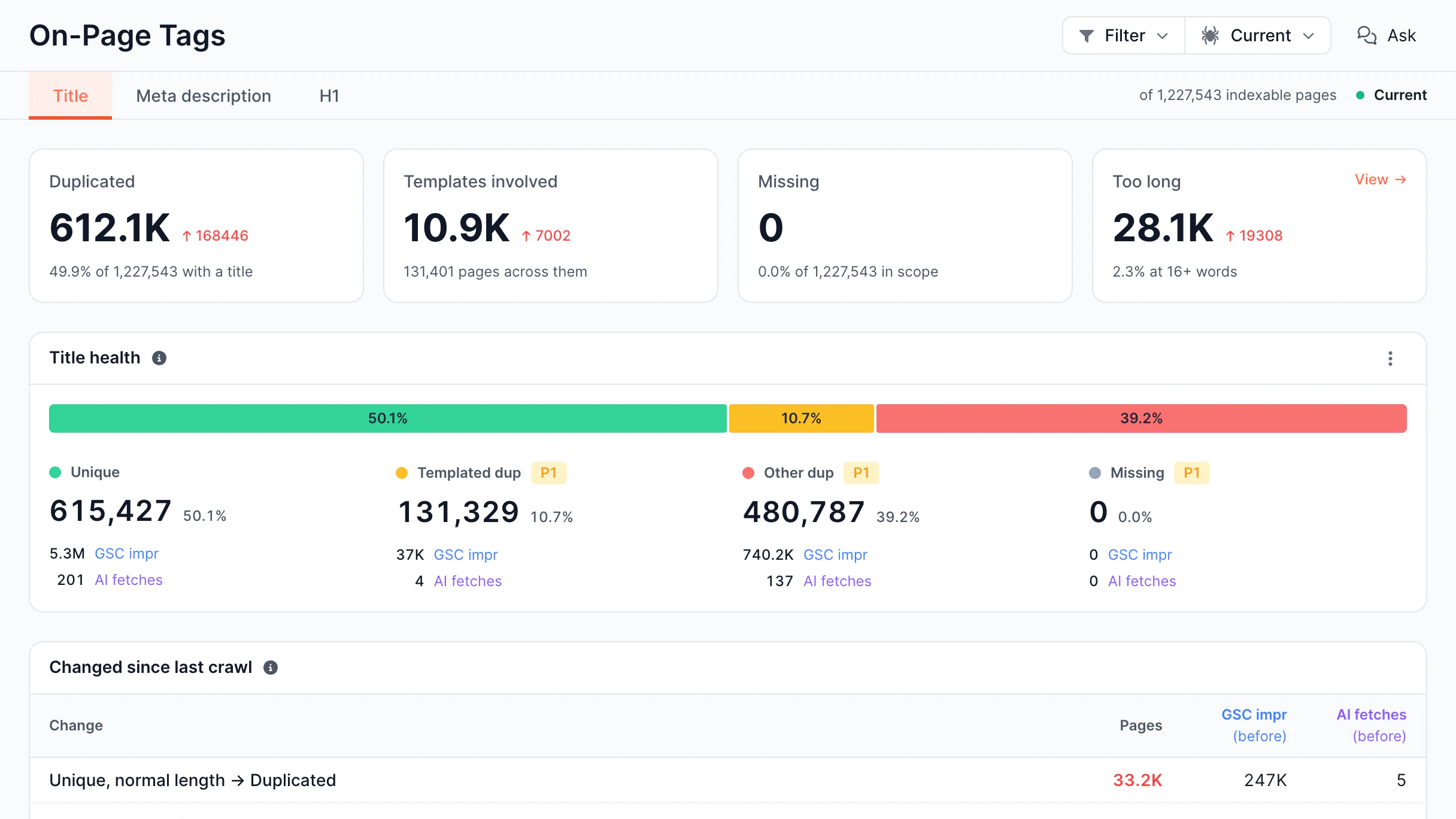
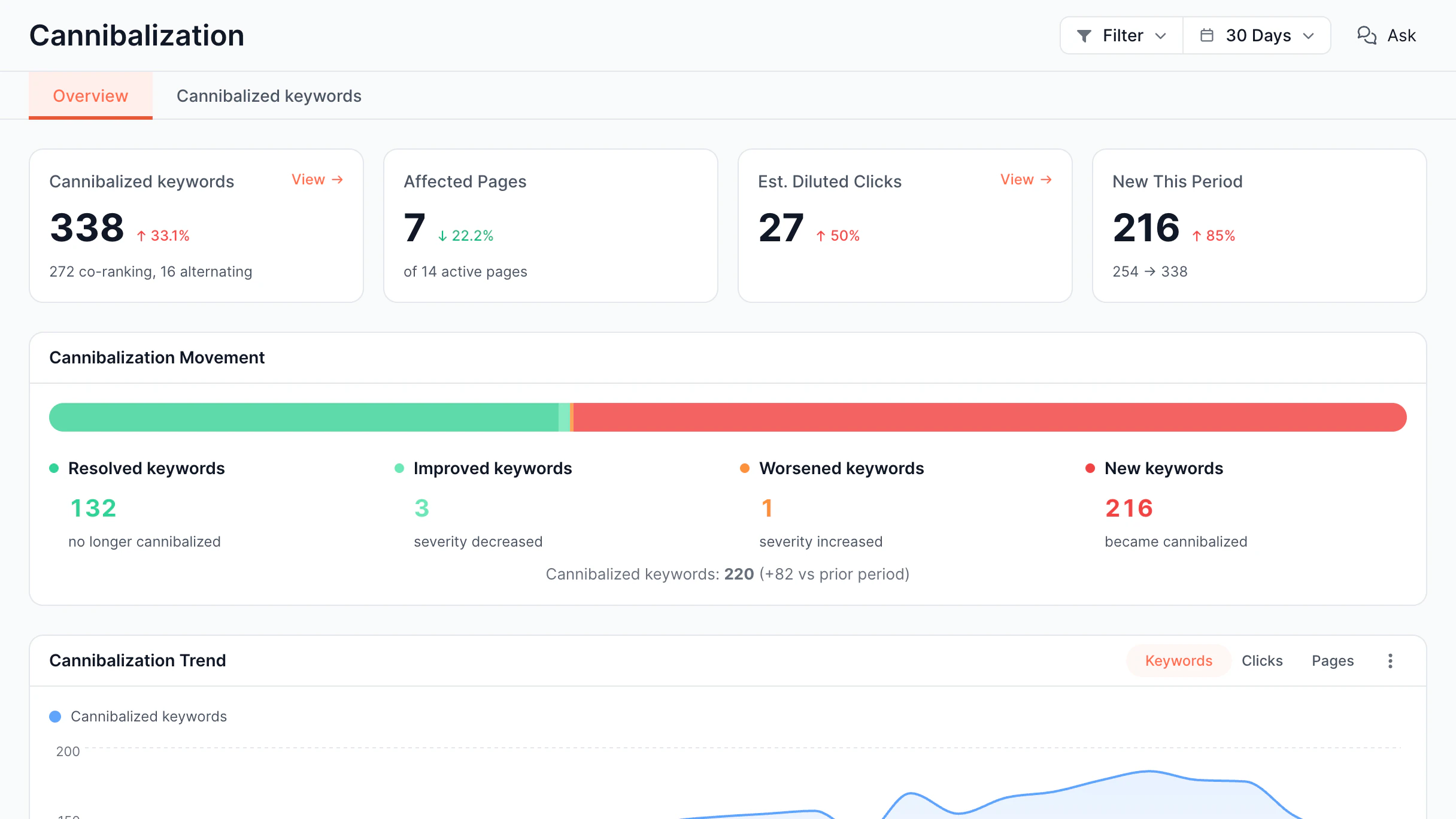
Cache diagnostics panel with pages affected, unique issues, total occurrences, and issue trend over time

Why EdgeComet cache works differently from a traditional CDN

Traditional CDNs are built to speed up content delivery to users. EdgeComet Cache is built around how search and AI bots access HTML - from when pages are prepared to how they are refreshed.

CDN cache is not designed for HTML

CDN: Built for images, CSS and JS. HTML is off by default.

EdgeComet: Built for HTML pages, served to bots only.

CDN cache waits to be asked

CDN: Stores a page only after someone asks for it.

EdgeComet: Pages are ready before bots arrive.

CDN cache ages every page the same

CDN: One rule for the whole site, plus manual purges.

EdgeComet: Every page refreshes on its own schedule.

Comparison vs competitors vs classic solutions

EdgeComet Cache

CDN HTML cache (Cloudflare, Fastly)

DIY stack (Varnish + Redis + purge scripts)

What it caches
Only HTML pages
Static files by default. HTML only once you turn it on and accept what comes with it.
Whatever you configure
Who gets cached pages
Verified bots only. User sessions never enter the cache
Everyone
Everyone
Risk to private pages
None by design. There are no sessions in the cache to leak
One missing bypass rule serves a logged-in cart to strangers, and to Google
Yours to prevent and debug
Cache warming
Proactive. Pages are retrieved and stored before crawlers ask for them
Passive. A page is stored only after somebody asks for it
Passive, unless you run a warmer
Freshness
Per page, from change rate and organic traffic
Per-rule TTL
Manual TTL per layer, plus purge logic in your pipeline
Response time for bots
Under 15ms, consistent across page types
100-500 ms standard, and slower on every cold page
100-200ms depending on app complexity and layer
Visibility
Every cached URL, the HTML each bot got, version history, hit and miss rates by bot and section
A hit-ratio graph
Whatever you log and build dashboards for
Bot awareness
31 bot identities validated against 12 published IP range feeds. Googlebot and AI crawlers monitored separately
None
None
JavaScript rendering
Headless Chrome renders once per cache cycle, so bots that can’t run JavaScript still get complete content
Not included
A separate service to build, scale, and keep running
Setup
No origin changes, no cache rules, no purge scripts. Shadow mode first
A chain of cache and bypass rules that must be written and ordered correctly
CDN config, Varnish VCL, Redis cluster, purge pipeline
Runs alongside your CDN
Yes. EdgeComet sits on top of Cloudflare or any other provider
It is the CDN
Yes, and you maintain both
Cost
From $99 per month, predictable, no per-request surprises
Included in the plan, plus the developers’ time to set up the rules correctly
Development, implementation, and maintenance costs
What it caches
Only HTML pages
Who gets cached pages
Verified bots only. User sessions never enter the cache
Risk to private pages
None by design. There are no sessions in the cache to leak
Cache warming
Proactive. Pages are retrieved and stored before crawlers ask for them
Freshness
Per page, from change rate and organic traffic
Response time for bots
Under 15ms, consistent across page types
Visibility
Every cached URL, the HTML each bot got, version history, hit and miss rates by bot and section
Bot awareness
31 bot identities validated against 12 published IP range feeds. Googlebot and AI crawlers monitored separately
JavaScript rendering
Headless Chrome renders once per cache cycle, so bots that can’t run JavaScript still get complete content
Setup
No origin changes, no cache rules, no purge scripts. Shadow mode first
Runs alongside your CDN
Yes. EdgeComet sits on top of Cloudflare or any other provider
Cost
From $99 per month, predictable, no per-request surprises
What it caches
Static files by default. HTML only once you turn it on and accept what comes with it.
Who gets cached pages
Everyone
Risk to private pages
One missing bypass rule serves a logged-in cart to strangers, and to Google
Cache warming
Passive. A page is stored only after somebody asks for it
Freshness
Per-rule TTL
Response time for bots
100-500 ms standard, and slower on every cold page
Visibility
A hit-ratio graph
Bot awareness
None
JavaScript rendering
Not included
Setup
A chain of cache and bypass rules that must be written and ordered correctly
Runs alongside your CDN
It is the CDN
Cost
Included in the plan, plus the developers’ time to set up the rules correctly
What it caches
Whatever you configure
Who gets cached pages
Everyone
Risk to private pages
Yours to prevent and debug
Cache warming
Passive, unless you run a warmer
Freshness
Manual TTL per layer, plus purge logic in your pipeline
Response time for bots
100-200ms depending on app complexity and layer
Visibility
Whatever you log and build dashboards for
Bot awareness
None
JavaScript rendering
A separate service to build, scale, and keep running
Setup
CDN config, Varnish VCL, Redis cluster, purge pipeline
Runs alongside your CDN
Yes, and you maintain both
Cost
Development, implementation, and maintenance costs
Try EdgeComet free for 14 days

Run EdgeComet on your real traffic with full access to the platform, including rendering, monitoring, and Edge SEO.

No credit card required
Cancel anytime

Explore other features of our platform

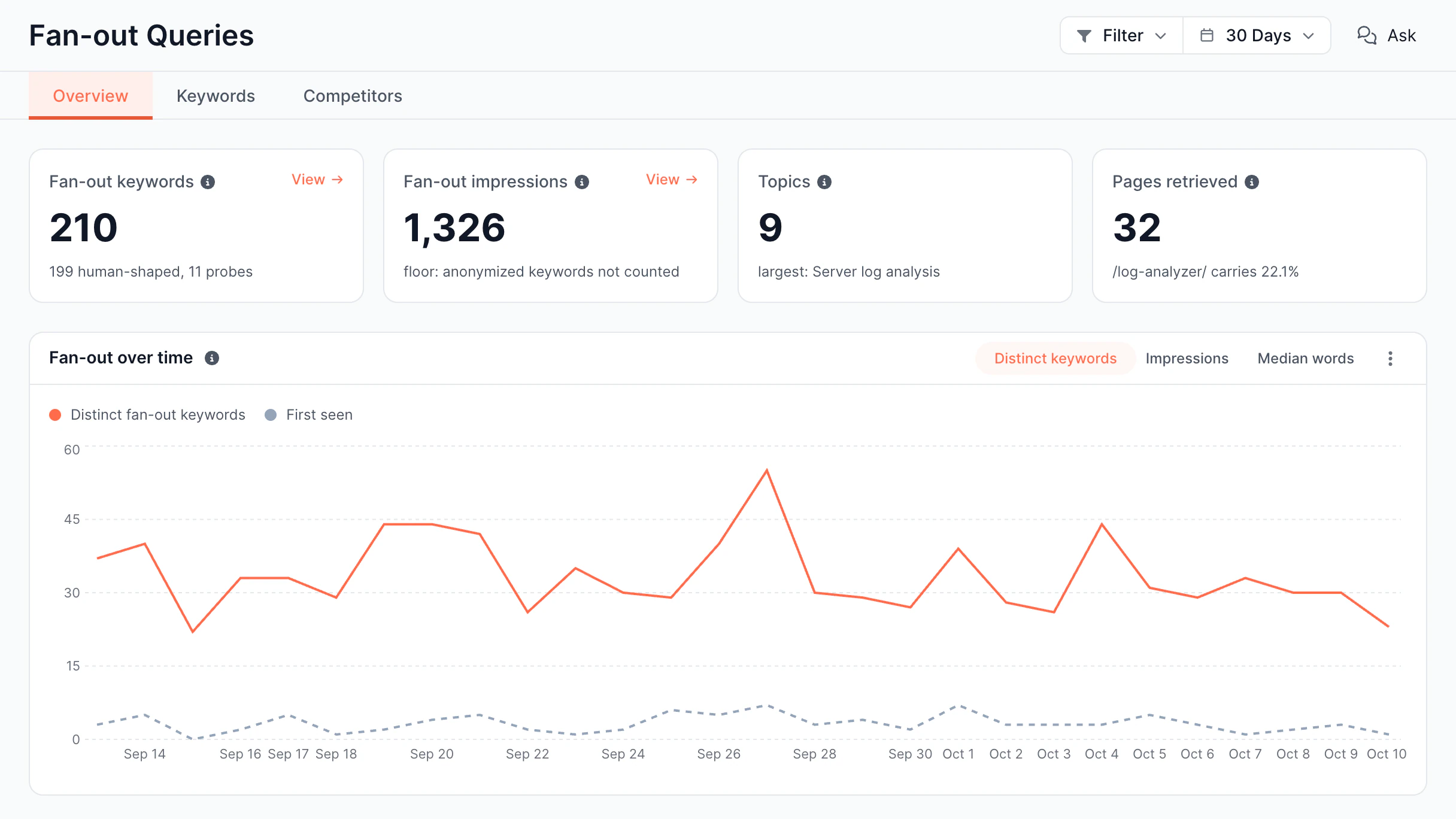
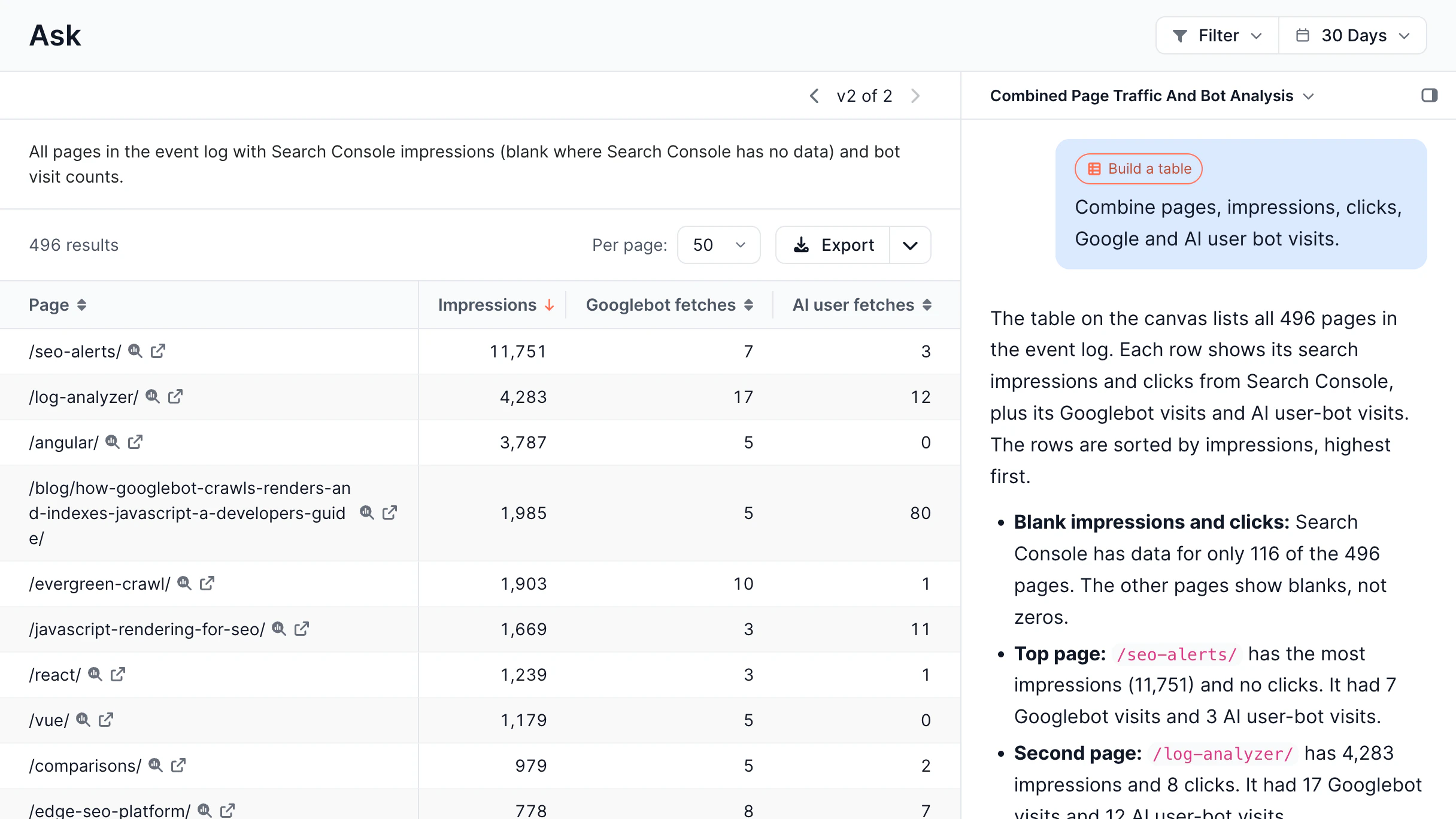
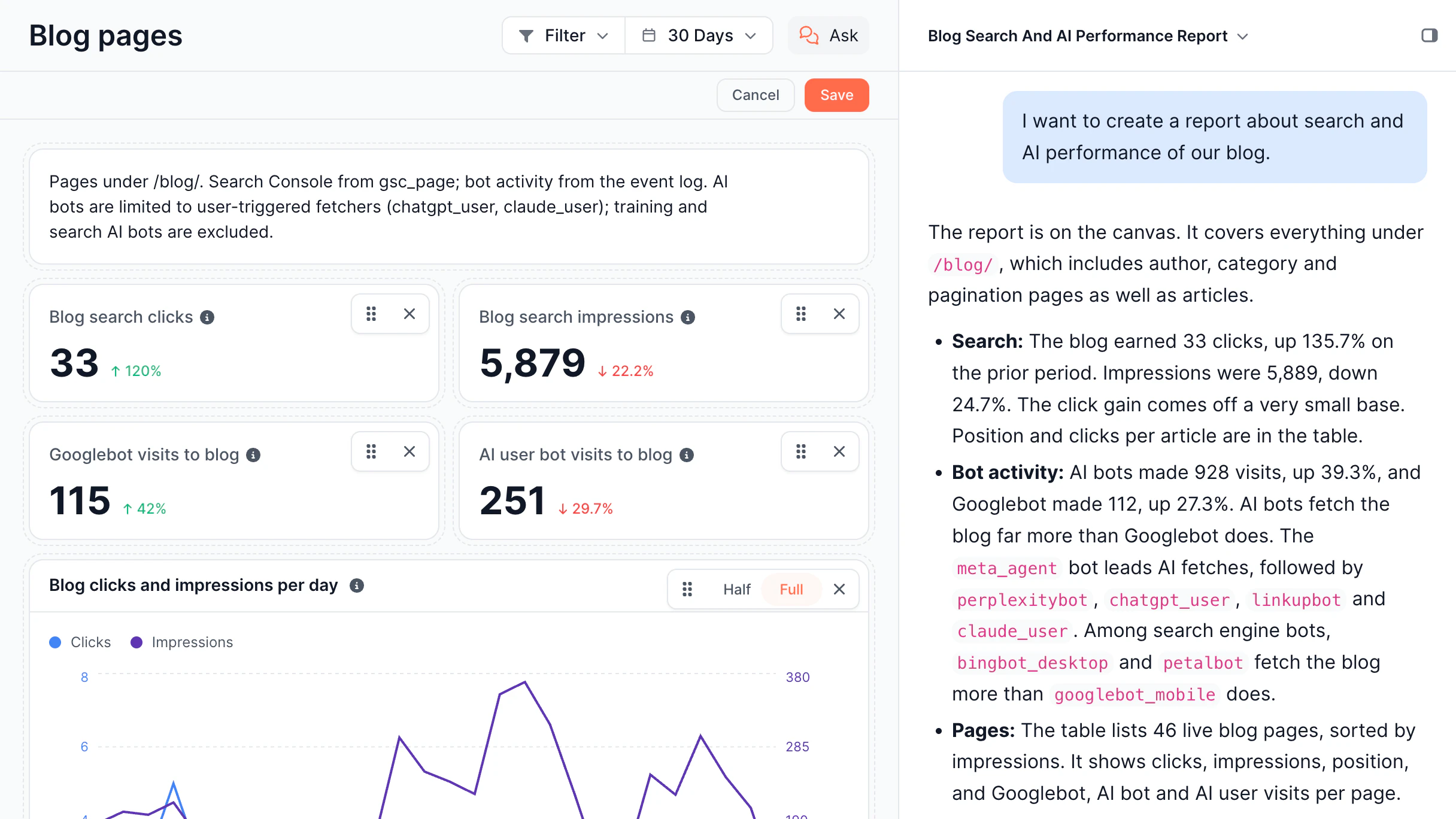
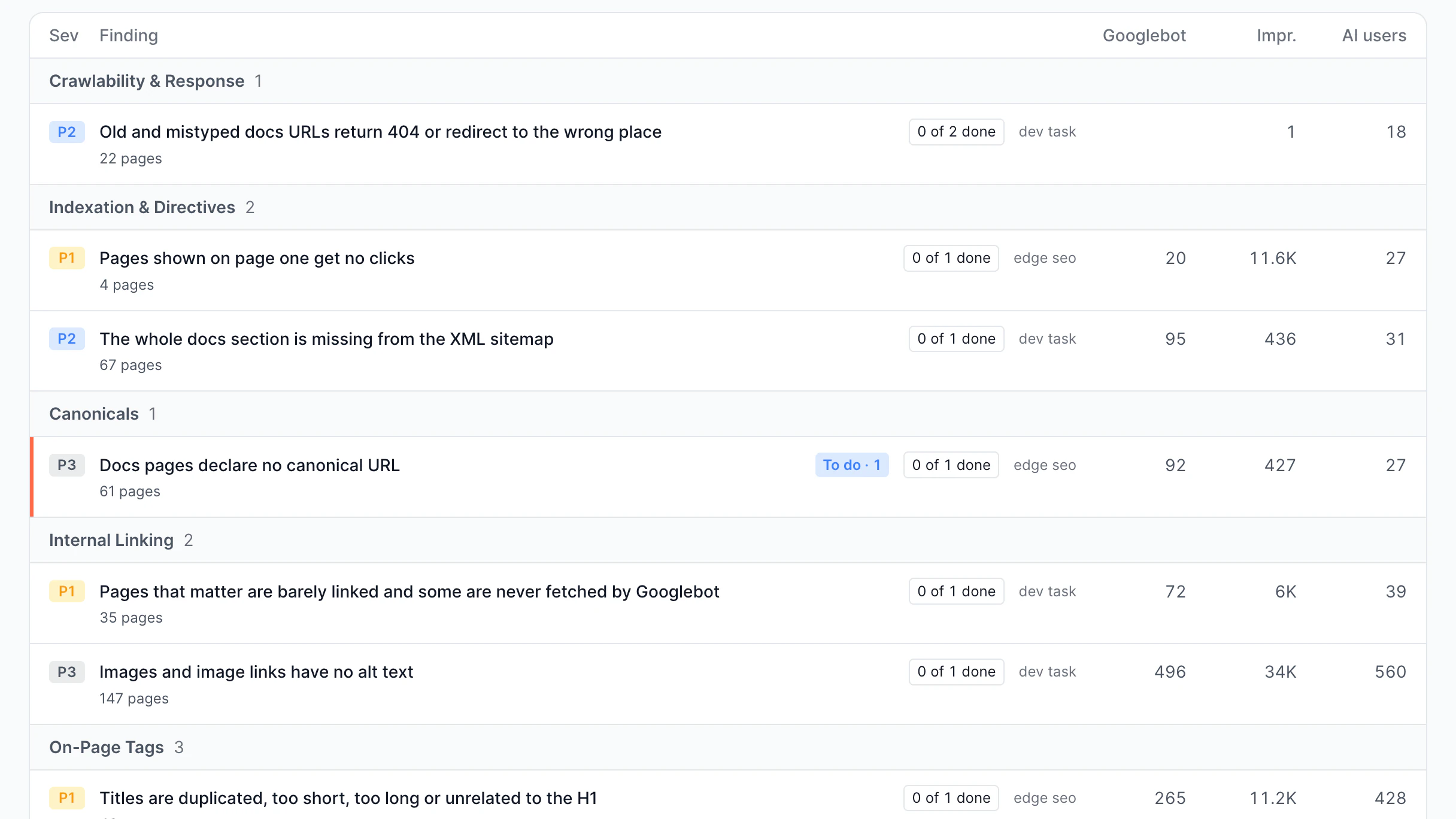
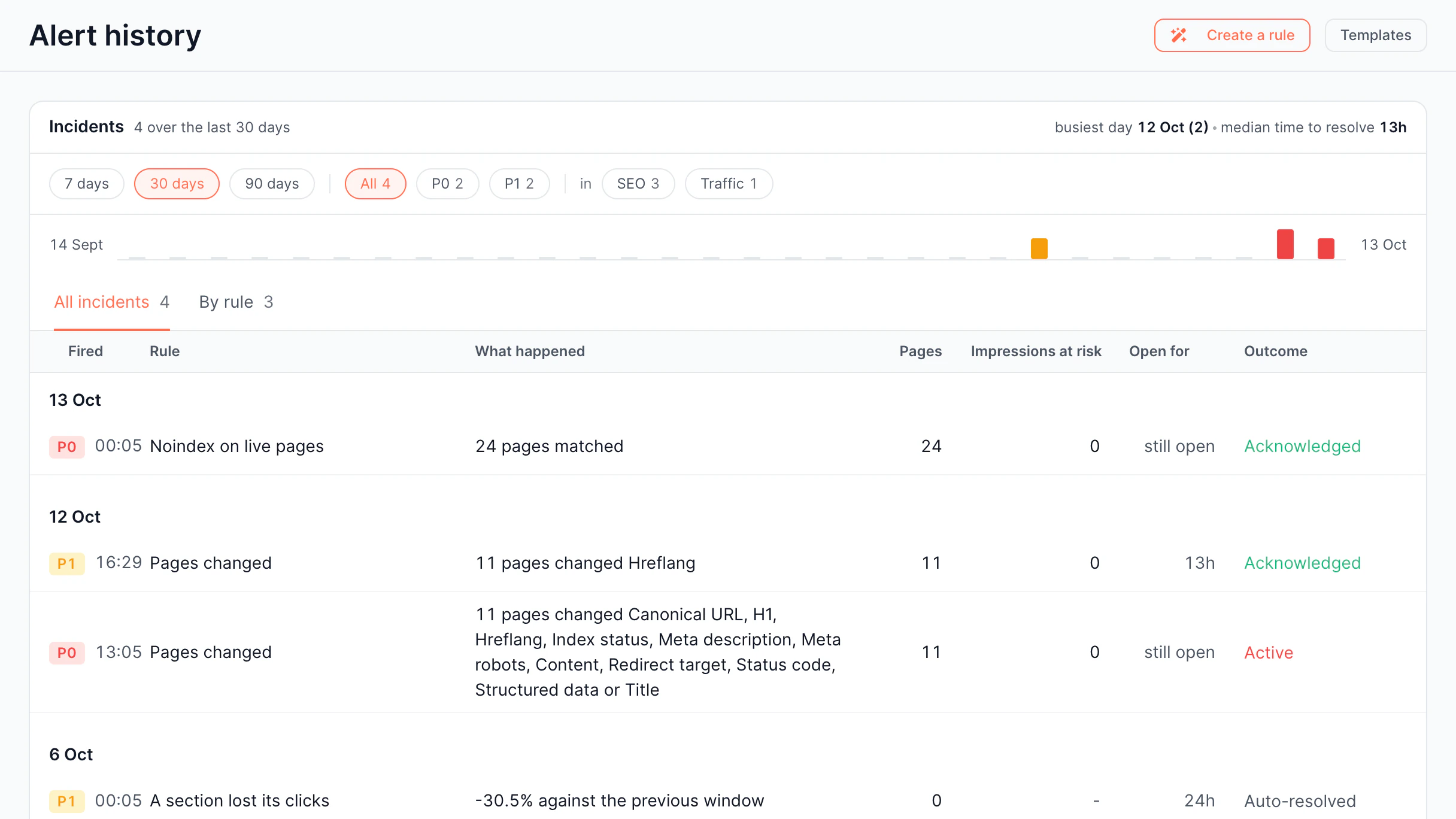
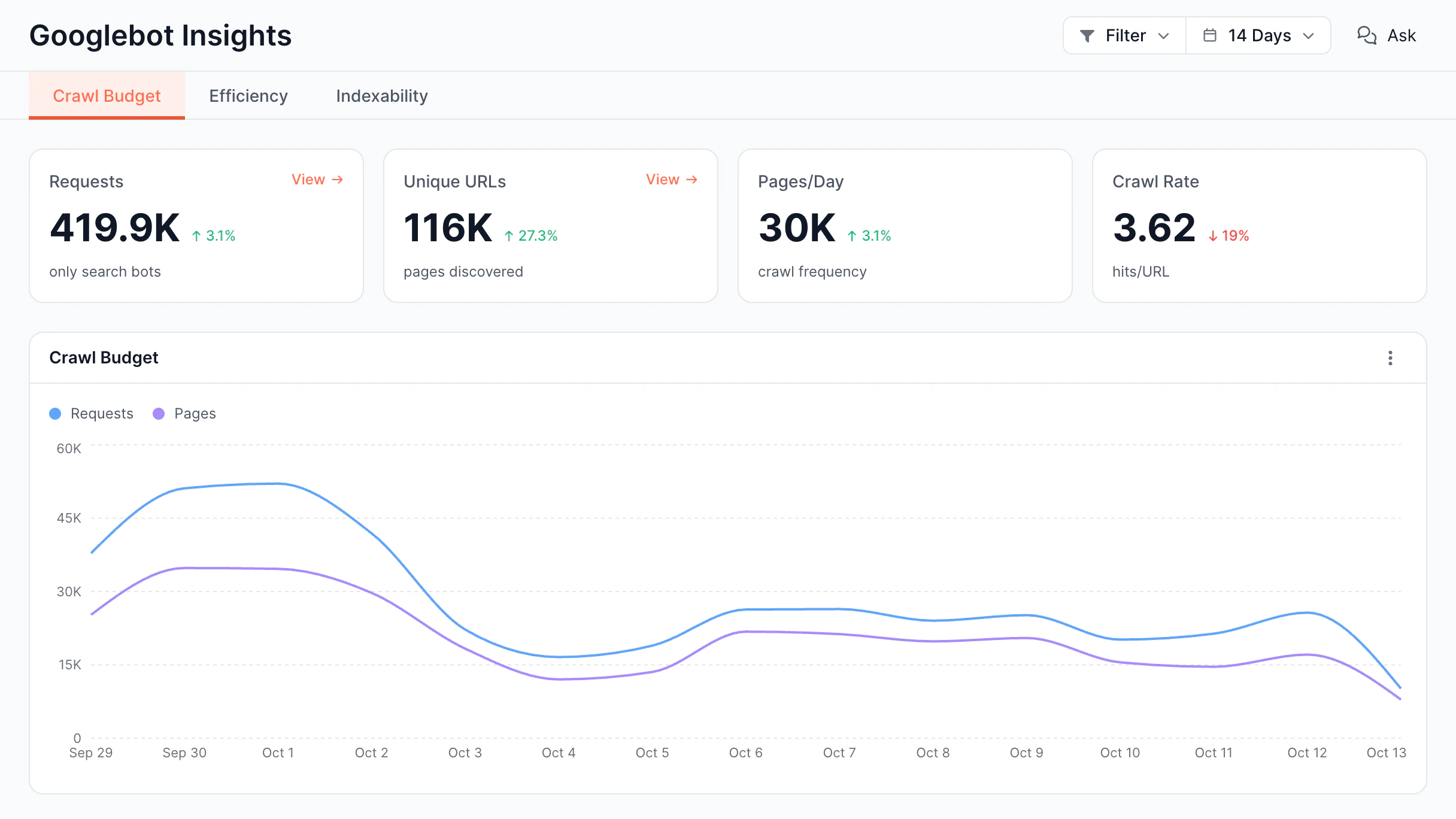
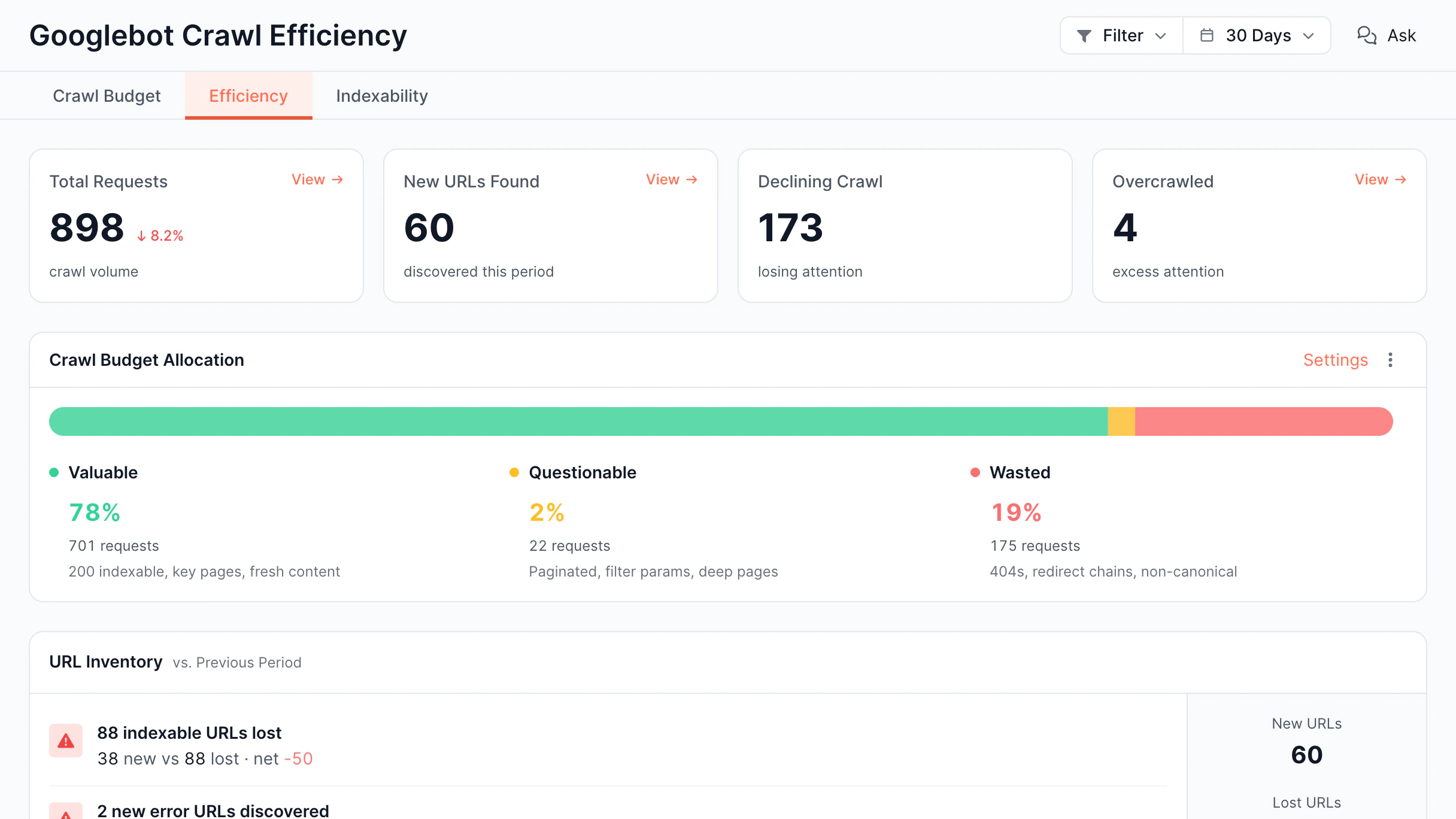
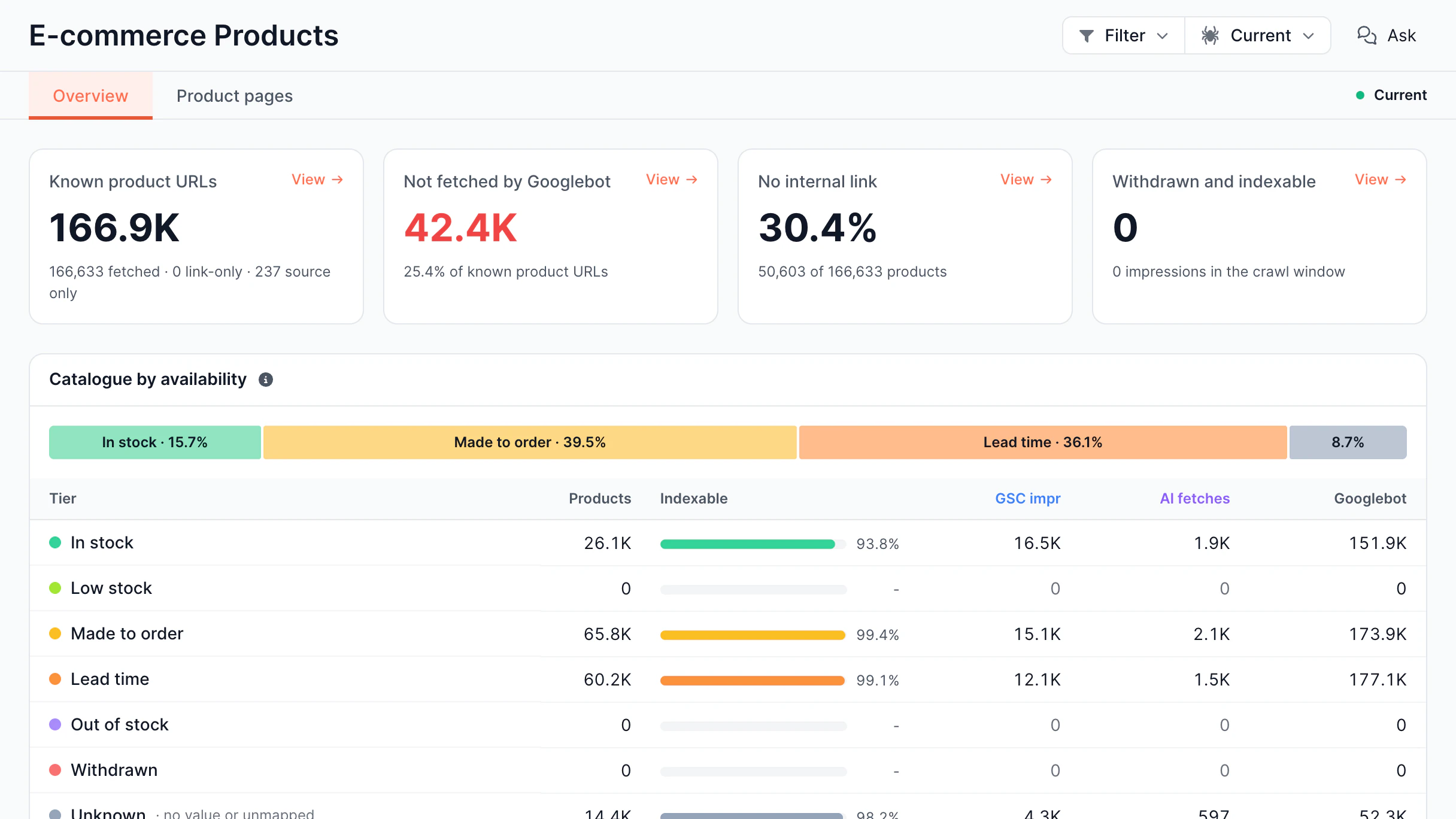
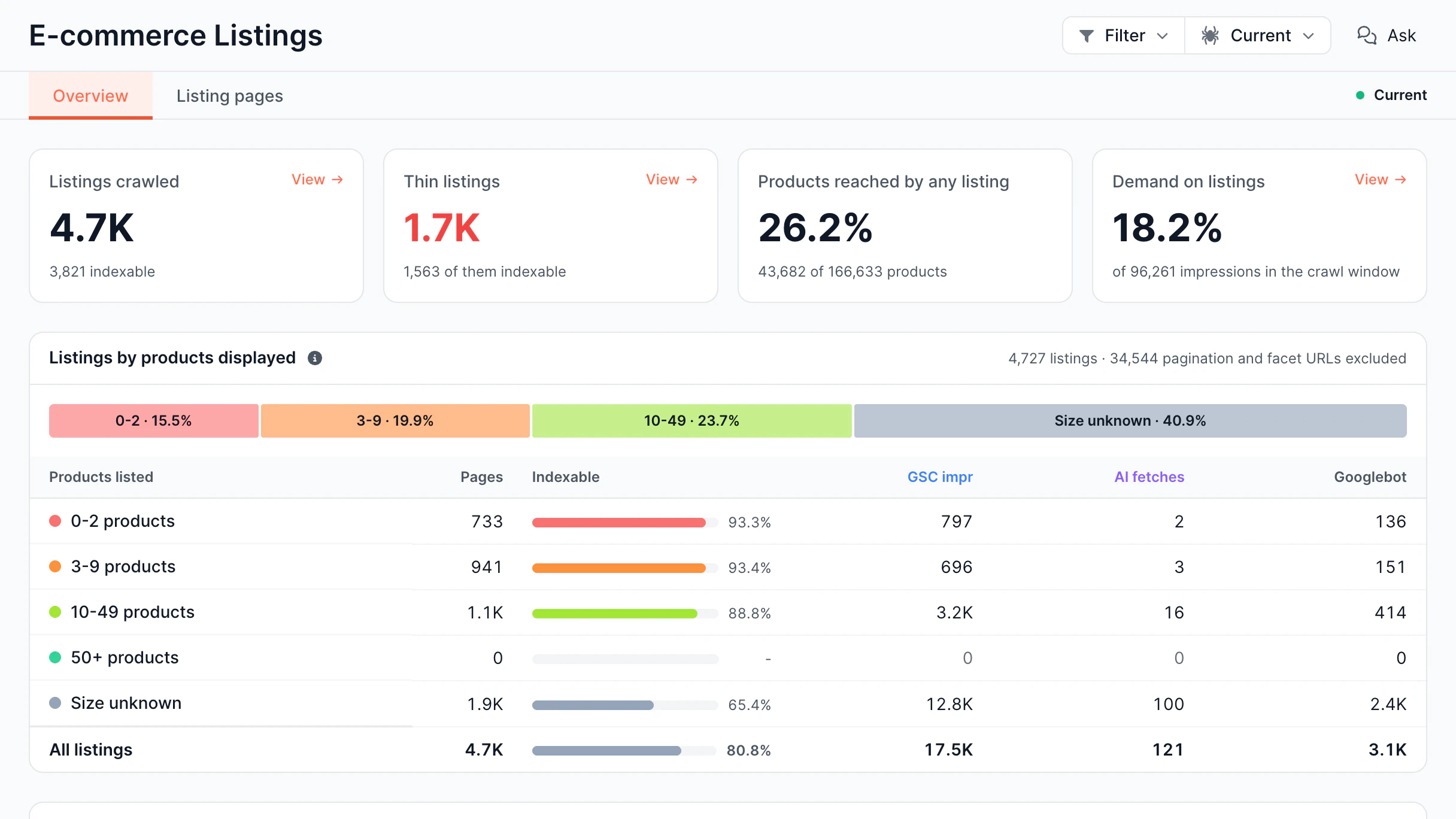
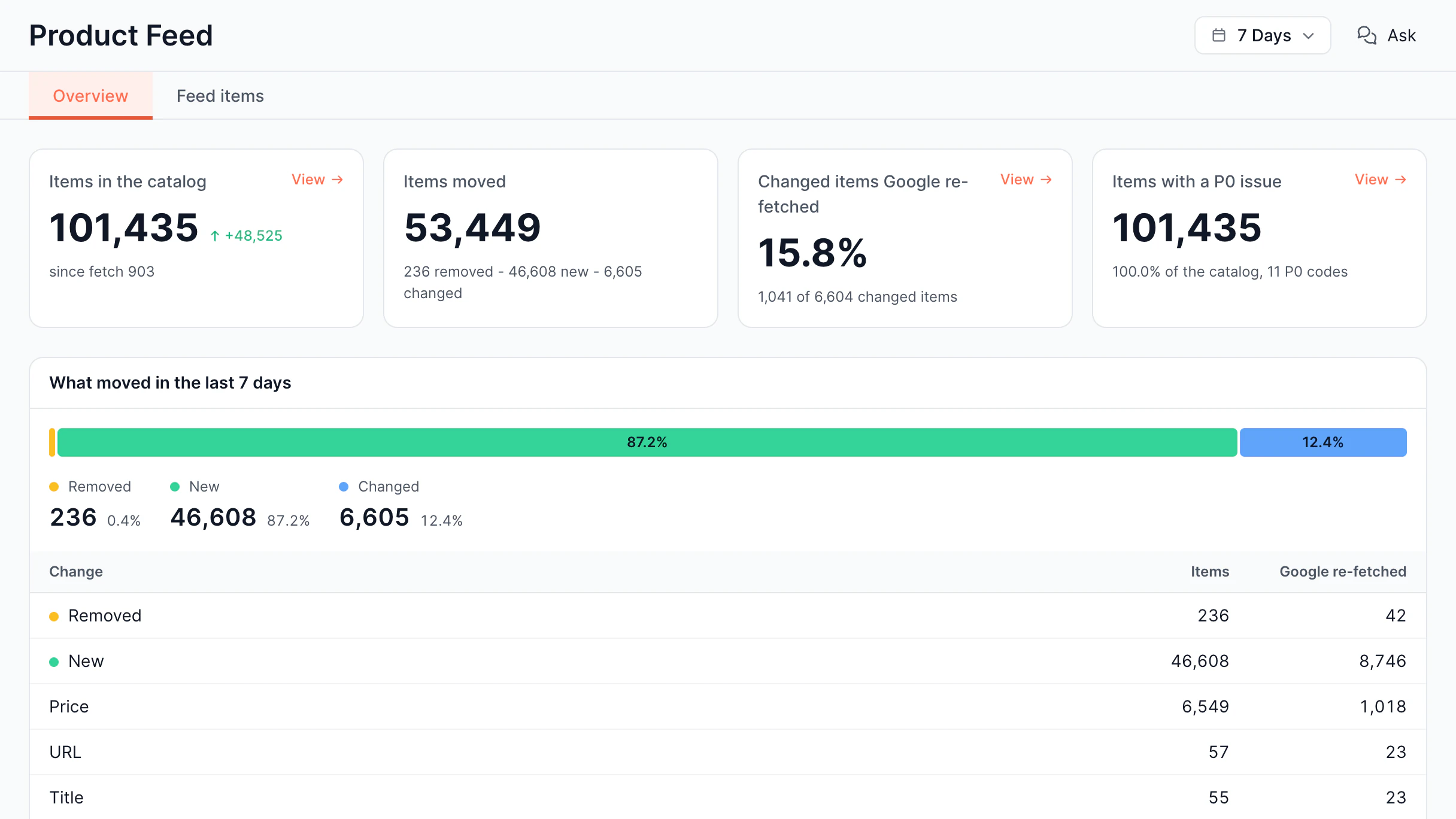
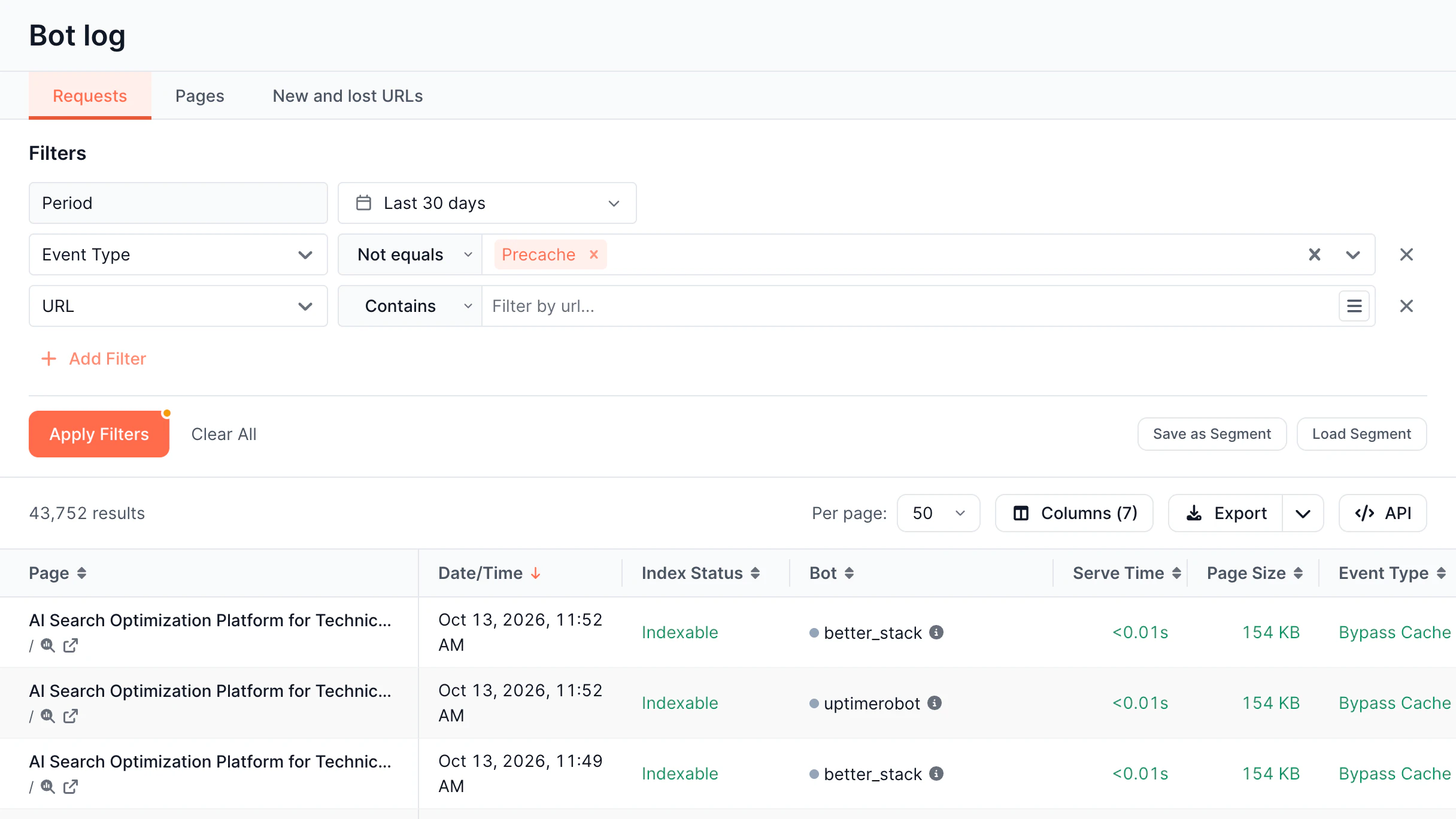
Along with the web cache service for websites, EdgeComet offers a lot of useful features, including SEO alerts, rendering, log analyzer, edge SEO, and more.

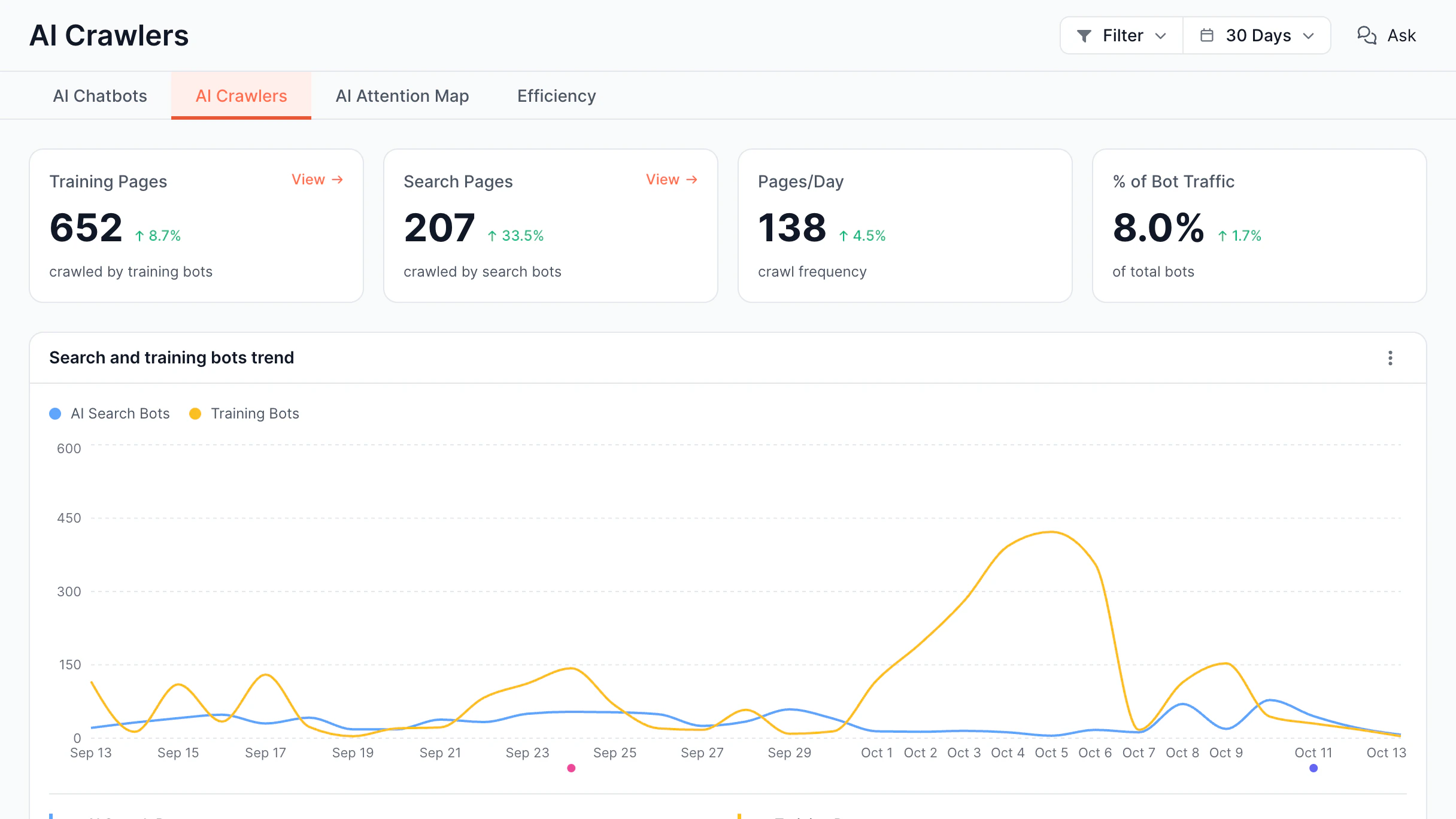
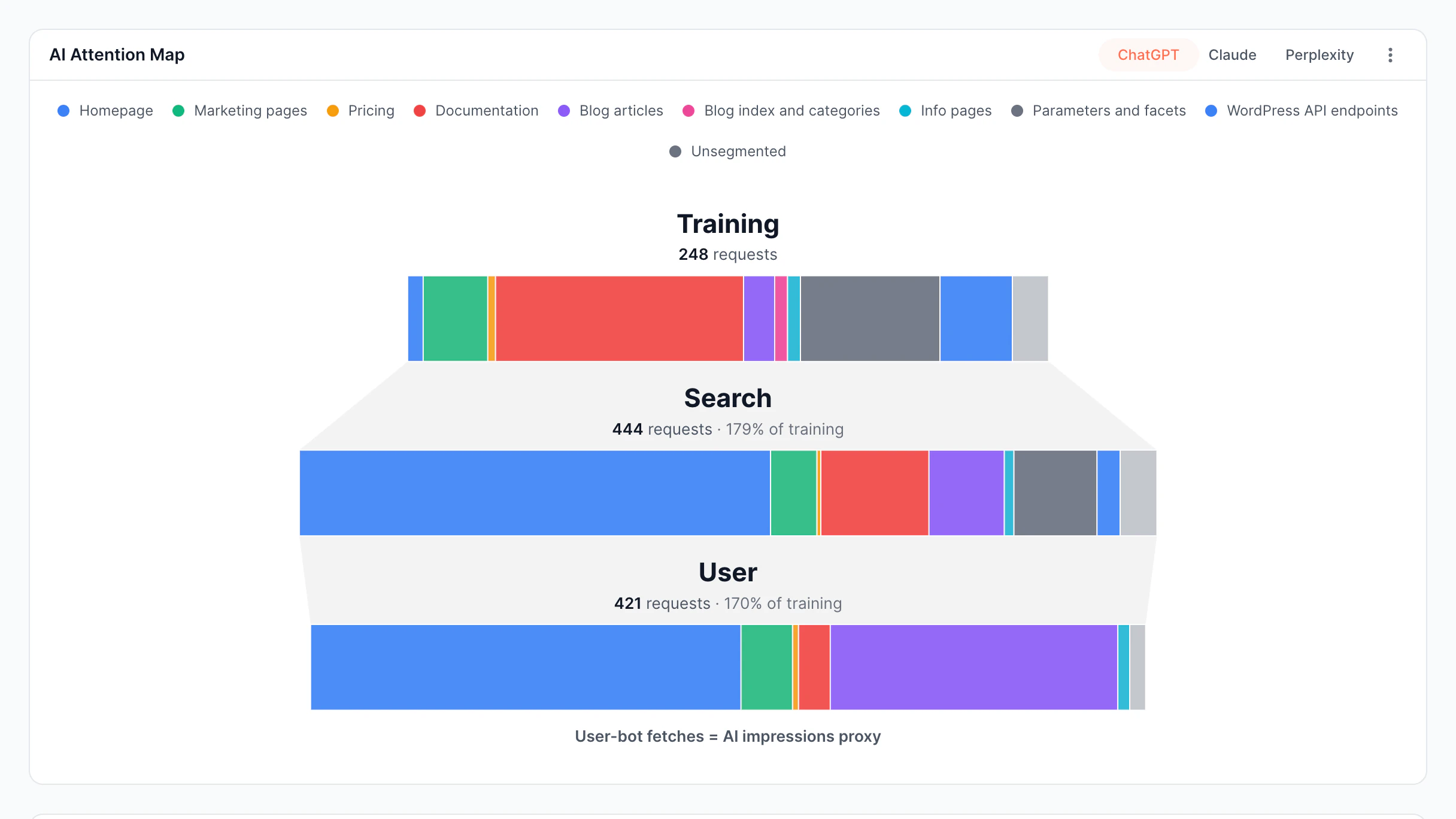
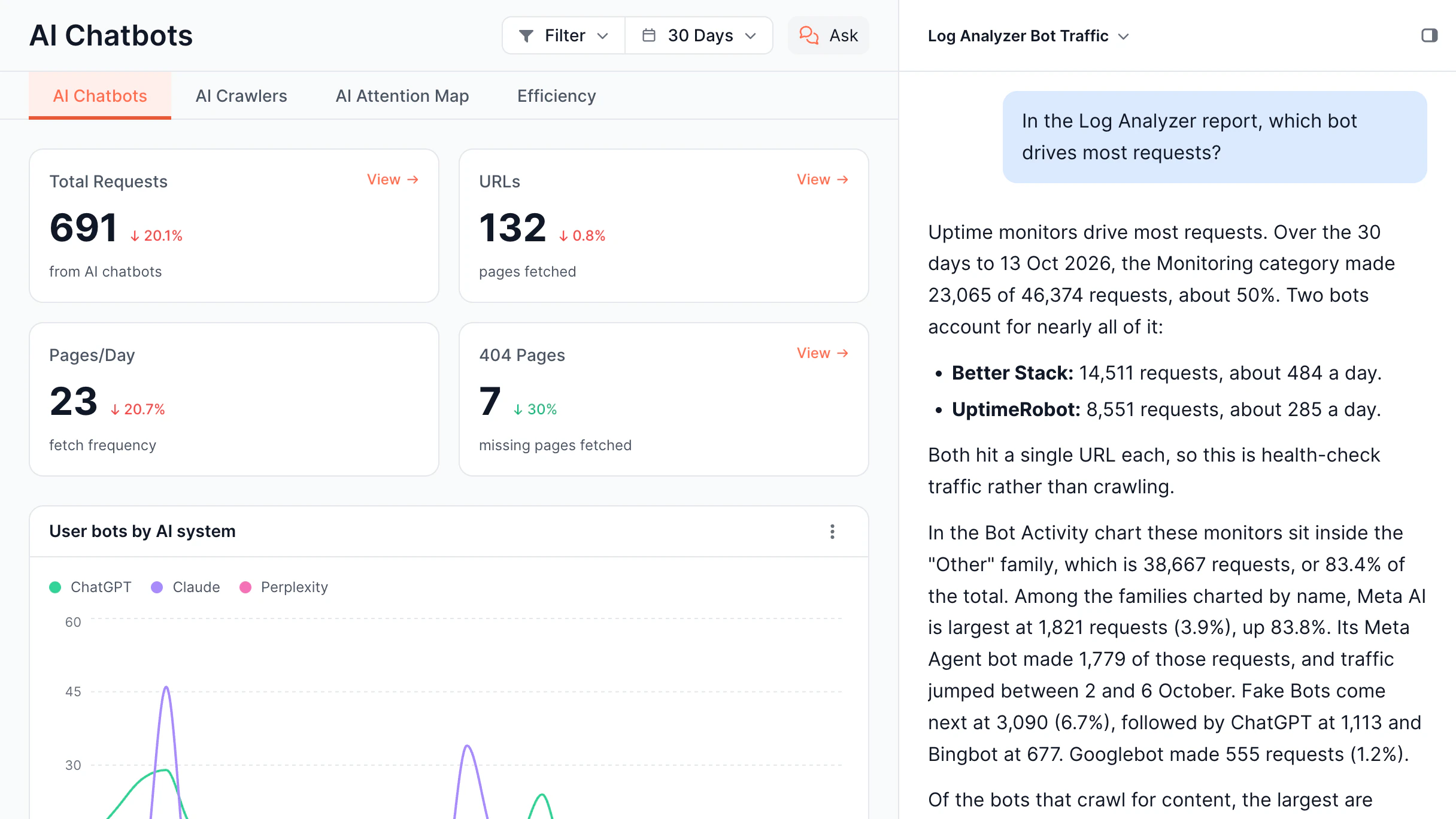
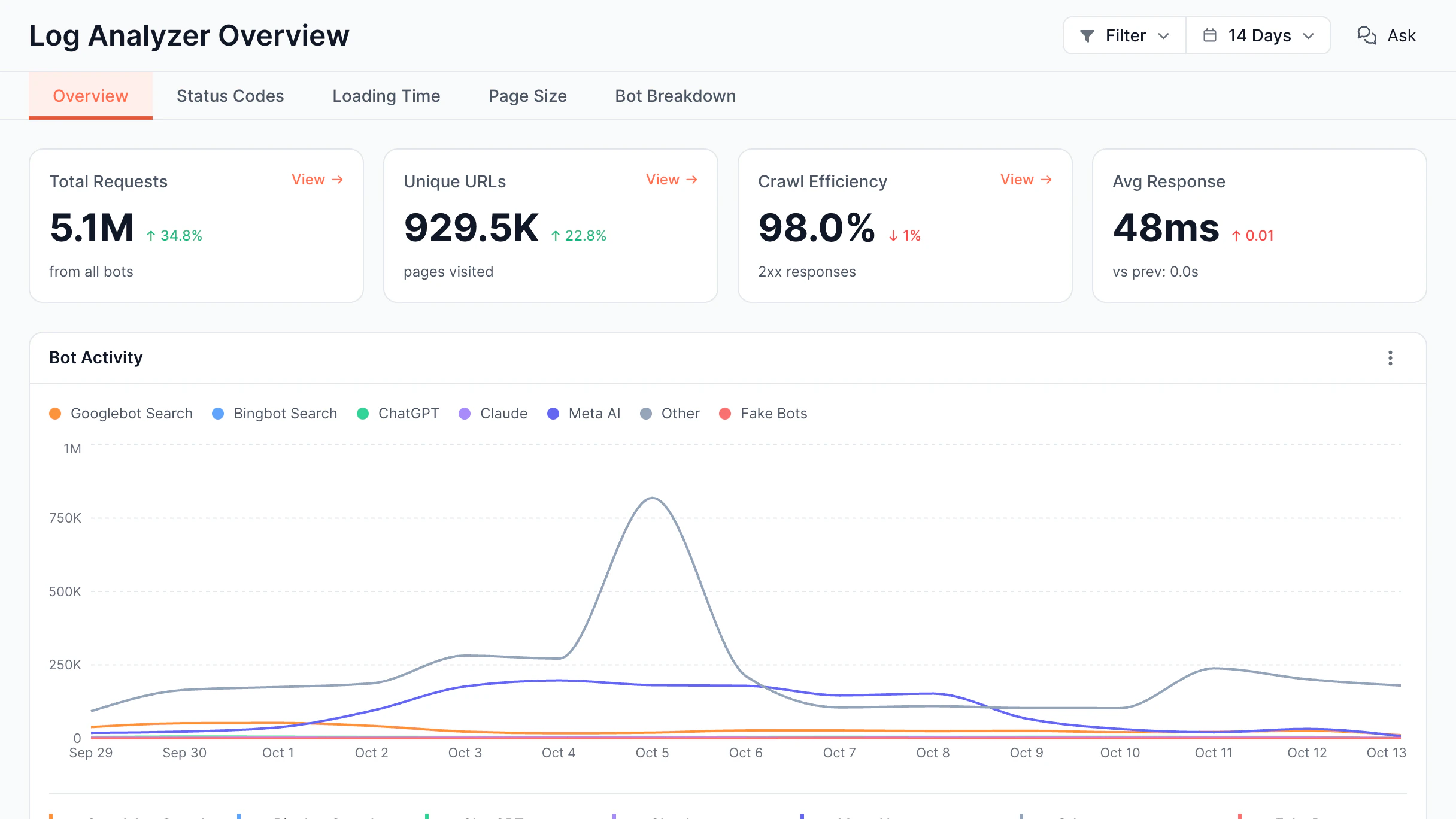
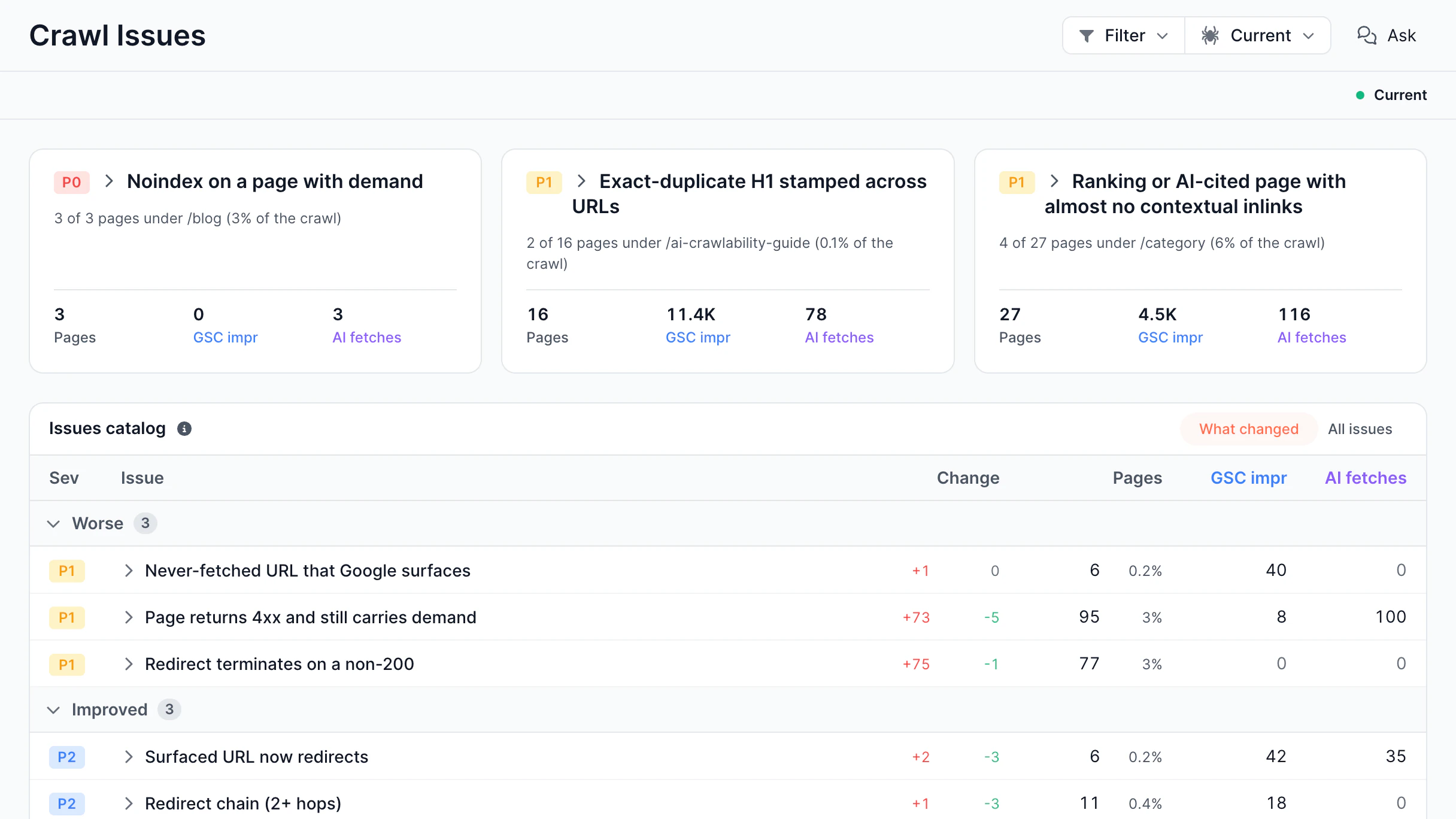
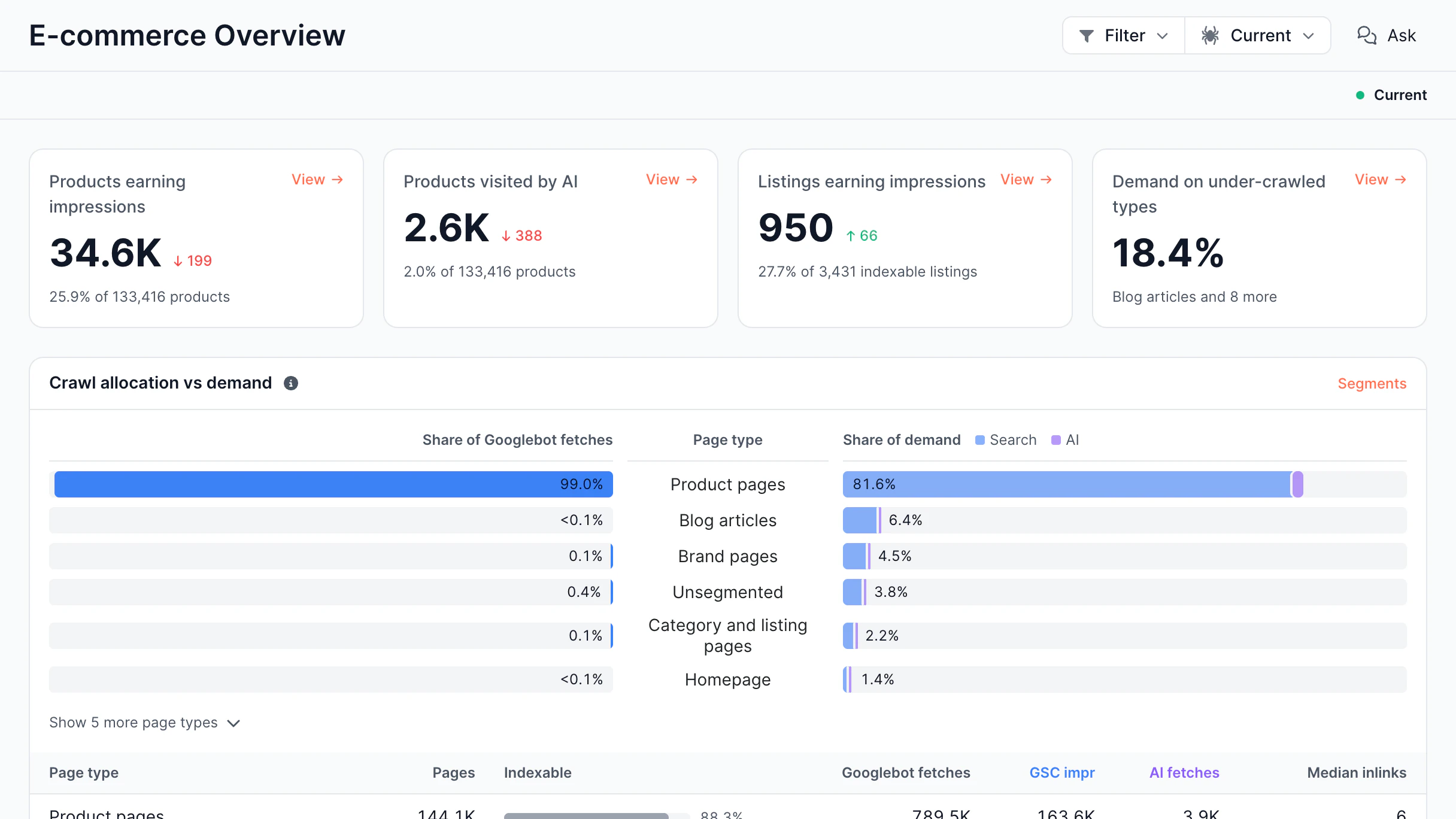
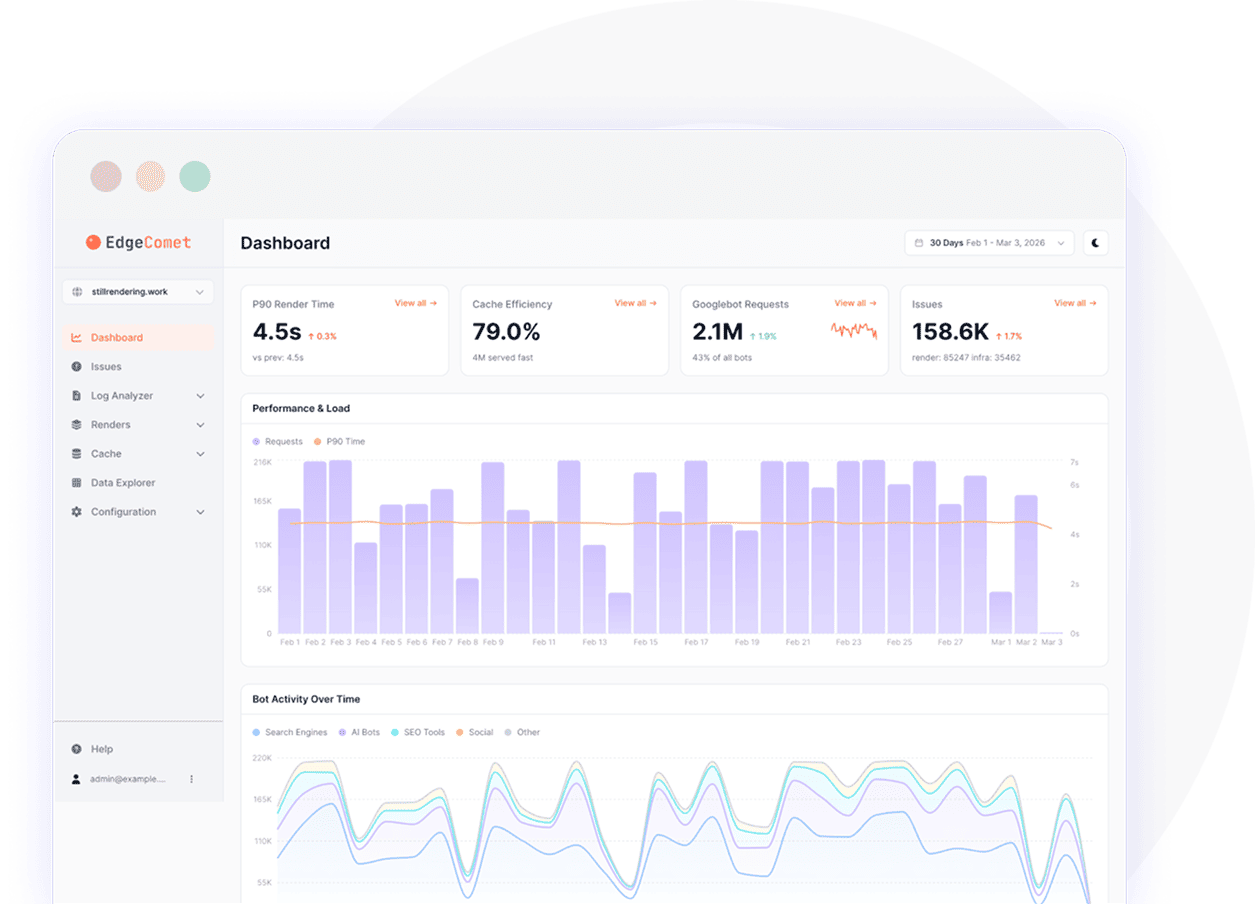
Log Analyzer Bot activity screen in the EdgeComet dashboard

Requests per bot family, with status and response time.

What changes when bots stop reaching your servers

A web cache service for faster loading is not only a speed number. It changes where your infrastructure budget goes, how much of your catalog gets crawled, and what AI crawlers are able to read.

Your origin stops absorbing crawl surges

Bot requests are stopped at the cache. A page is retrieved from your servers once per refresh.

A crawl surge, a news traffic spike, or an AI training run no longer hits your database or triggers autoscaling costs.

Outcome

Bot load on the origin drops to refresh traffic only

Bots crawl more of your catalog per visit

Bots allocate time. When every response returns in under 15ms instead of 1-3 seconds, the same session covers more URLs.

On large catalogs, that is the difference between a section being indexed and never being explored.

Outcome

Up to 3-5x more pages crawled per session

AI bots receive content they can read

AI bots retrieve raw HTML and don't run JavaScript. On a client-rendered website, they see an empty container and never return to try one more time.

EdgeComet renders the page once per cache cycle and provides the finished HTML.

Outcome

Full content for crawlers that can't render JavaScript

No blocking rules, so no visibility risk

You don't need to decide whether a user agent is worth serving, or keep a WAF ruleset actual against IP ranges that change weekly.

Every bot receives a cached page, so you never lose an AI referral to a rule nobody remembers writing.

Outcome

Load handled without touching crawl access

How the web cache service handles a bot request

Crawler traffic is directed to EdgeComet at the DNS or CDN layer.
Nothing changes for users and your application code.

The request stops at the cache

EdgeComet identifies the crawler, validates it against published IP ranges, and responds from a two-tier cache in under 15ms, without involving your origin.

The cache remains warm

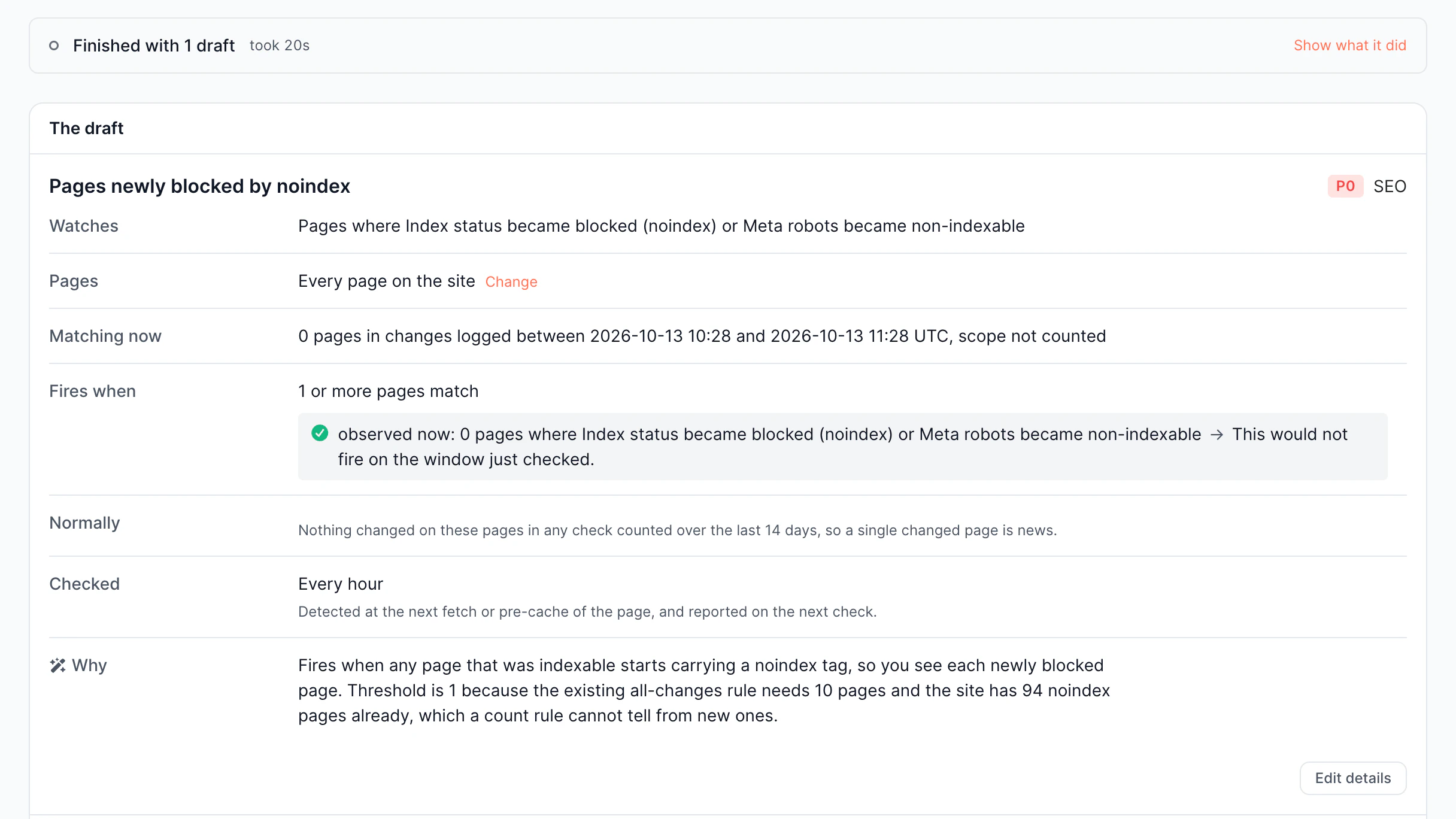
Your sitemap is used to warm up pages that are refreshed on a schedule set by how often each one changes and how much traffic it gets. If a refresh fails, the last good version is served.

Every response is recorded

Each request is kept with the page snapshot the crawler got - around 90 fields per request - providing data for the Log Analyzer, Evergreen Crawl and real-time alerting.

Benefits of a web cache service

EdgeComet’s website cache service for faster loading doesn't just improve page speed. It increases crawl frequency, protects your origin, and ensures bots always get full content.

Increase crawl frequency by responding faster

Search engines factor response time into how often they crawl your pages.

Increase the number of URLs Googlebot, Bingbot, and AI bots can process in a single session.

Outcome
Faster URL discovery and higher crawl rates

Protect your origin from traffic spikes

All repeat bot and user requests are served from cache without ever reaching your servers.

Traffic spikes, crawl surges, and high-traffic news cycles are absorbed entirely by the cache layer, keeping your origin stable and your users unaffected.

Outcome
Origin server stability during intense traffic

Eliminate 5xx errors for crawlers and users

The stale fallback ensures that when fresh content isn't available, the last valid cached version is served instead of an error.

Bots never encounter a 5xx, crawl budget is preserved, and users see content rather than a failure page.

Outcome
100% uptime and saved crawl budget

Control content freshness at the page level

Variable TTL rules let you define how long each type of page stays cached.

Cache behavior matches your publishing workflow rather than fighting it.

Outcome
Optimized content freshness across all pages

Where bot load hurts most

Websites with extensive catalogs, regular changes, and high crawler interest are the ones where a web cache service for website performance pays for itself the quickest.

E-Commerce

Category pages, filtering, and internal search cost the most to build and bots request them the most. EdgeComet gets that bot traffic first, so a flash sale never competes with a crawl surge for the same database.

Read more

Classifieds

Classifieds have countless listings that don't last long, yet bots keep returning to check them. EdgeComet refreshes active listings often and archived ones rarely, without affecting your servers.

Read more

Real Estate

Availability and pricing move daily while neighborhood guides and agency profiles don’t change for months. Freshness follows each page's own change rate instead of one site-wide TTL.

Read more

Publishers

Googlebot, news crawlers and every AI training bot arrive at once on a story that just broke. The cache takes that traffic while your CMS gets on with publishing the next one.

Read more

Ready to get more from your site?

Improve indexing, visibility, and traffic from day one.

14-day free trial
Ready to get more from your site?

All your questions answered

A cloud caching solution for websites keeps rendered web content and serves it to subsequent requests without touching the origin server. Instead of re-rendering a page on every visit, the cache delivers a pre-built response.

Any site where content is requested often by multiple bots can benefit from a cache layer. It's important when rendering is slow or when the crawl budget is being wasted on slow responses.

EdgeComet's TTL rules allow dynamic pages to be cached for a few minutes, which is enough to absorb repeated bot visits while keeping content fresh. For pages that must never be cached, URL exclusions can be configured.

You can improve site speed with web cache service provided by EdgeComet. The solution gives responses in under 15ms compared to 1–3 seconds for uncached server responses and 100–500ms for basic CDNs. Faster response times let bots crawl more pages per visit and return more often.

EdgeComet works as a separate tool outside your site. No changes required to application code, server configuration, or CDN cache service setup. Deployment takes days, and shadow mode lets you verify cache behavior on live traffic.

EdgeComet can be deployed in shadow mode, so you can validate hit rates, TTL behavior, and coverage before switching traffic over. From there, full activation is a configuration change, not a code deployment.

A CDN caches images, CSS, and JavaScript for every visitor, and it stores a page only after someone asks for it. EdgeComet caches complete HTML pages for verified bots, prepares them before crawlers arrive, and refreshes each page on its own schedule. It runs alongside your CDN, and your visitors keep reaching your website directly.
Each page refreshes on its own schedule, set by how often its content changes and how much organic traffic it earns. You can override any URL pattern with an explicit TTL, and the webhook API invalidates exactly the URLs a deploy or price change affected. EdgeComet recaches pages before their copies expire. If a refresh fails, bots receive the last good version instead of an error.
Latest insights

Stay ahead with expert insights on search visibility, AI optimization, and technical SEO