
Evergreen Crawl: A New Way to See Your Site Through Googlebot’s Eyes
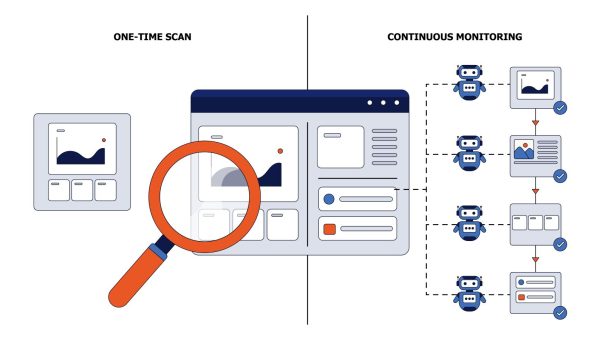
For fifteen years, the technical SEO job has started the same way: point a crawler at a site, wait, export...
Read ArticleEdgeComet handles technical SEO for publishers and news. It improves visibility for your news articles and evergreen content, helping more readers discover your stories, increasing organic traffic, and audience reach.
Speed is everything in news and top stories publishing. JavaScript-heavy pages that delay search engine crawling cost you the peak traffic increase.
Breaking news competes for visibility in search and content discovery feeds. If news content is found too late, it misses the opportunity to become trending.
AI bots like GPT, Claude, and Perplexity read only the initial HTML responses. If your content loads via JavaScript, AI systems will see blank pages.
Traditionally, publishers maintain evergreen articles. If search engines crawl these pages less frequently, evergreen content may gradually lose its visibility in search.
When breaking news is live, search engines should access an article instantly. If pages rely on heavy JavaScript rendering, bots may wait long before they see the content.
EdgeComet prepares article pages so search engines can instantly process them.
News publishers often protect articles with paywalls, but search engines still need to access the content. If bots can’t read paywalled pages, articles never appear in search.
EdgeComet helps publishers deliver permitted article content to crawlers and check what bots receive, while supporting a properly configured paywall setup.
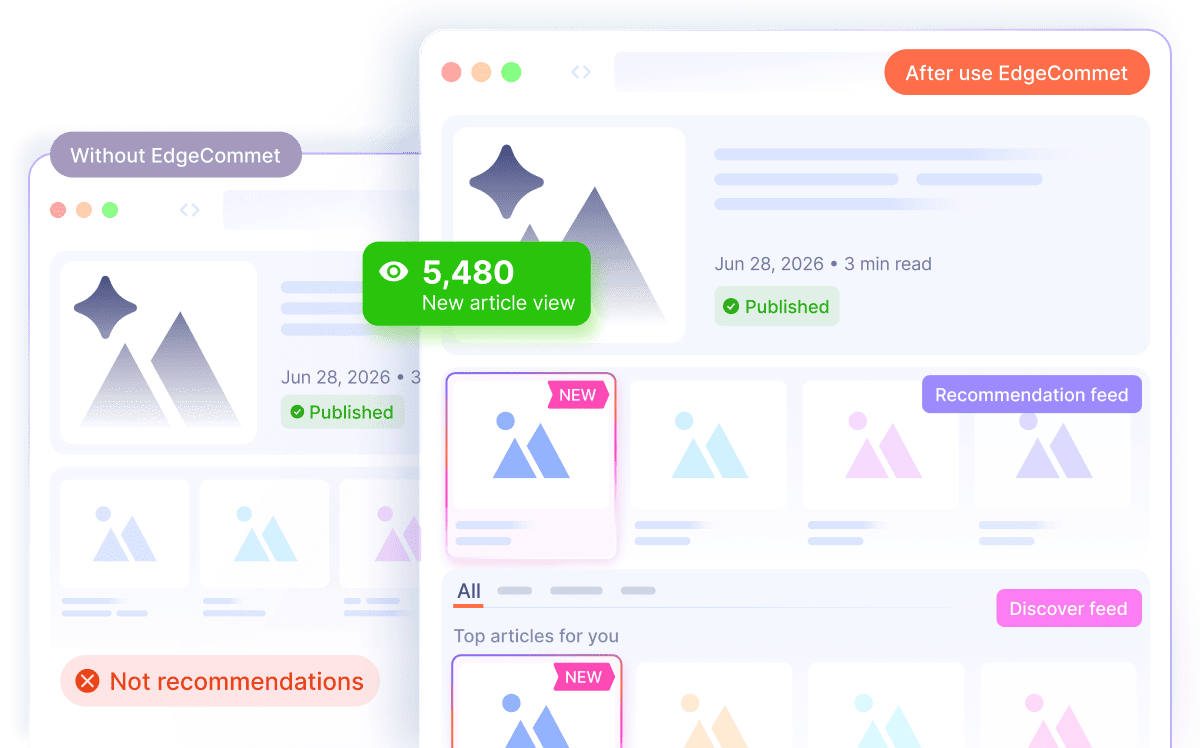
Google Discover drives traffic for many publisher sites. To appear in Discover feeds, news must load quickly and adhere to strict performance standards.
EdgeComet responds to crawlers quickly and enhances page processing efficiency.
Publishers have hundreds of archived articles with evergreen content.
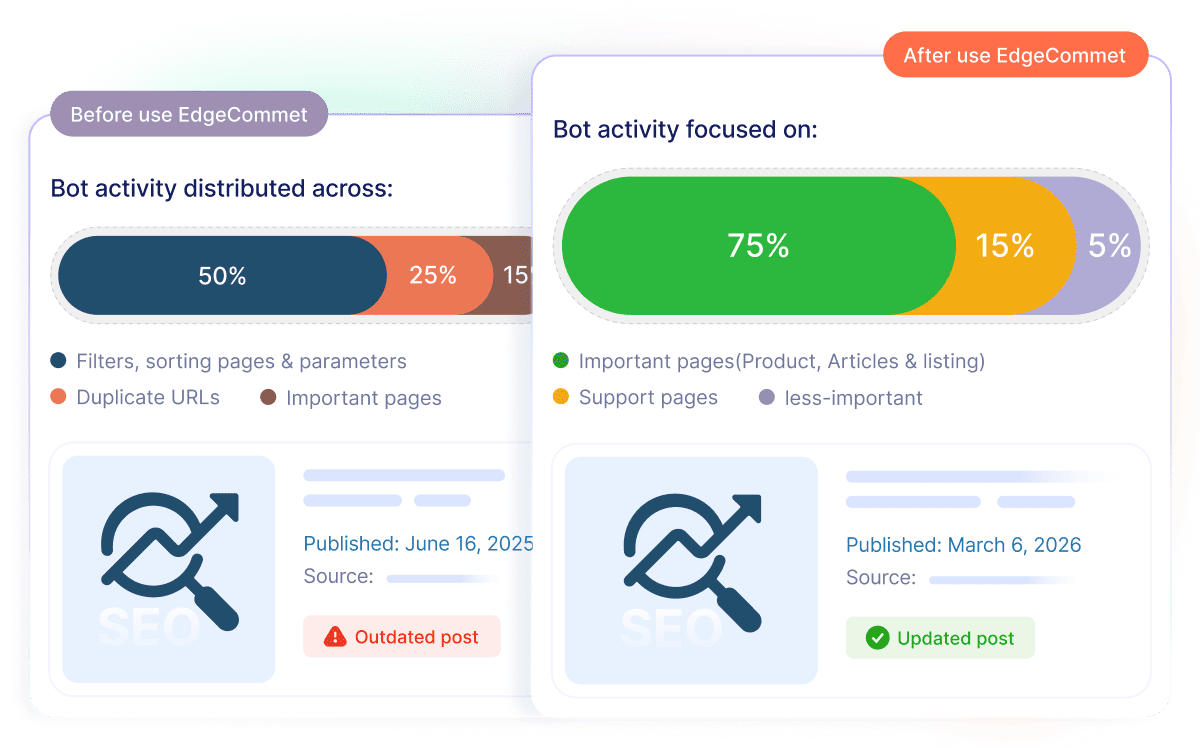
EdgeComet combines real bot log analysis with crawl data to identify orphaned and rarely crawled pages, revealing which articles and archive sections search engines overlook.
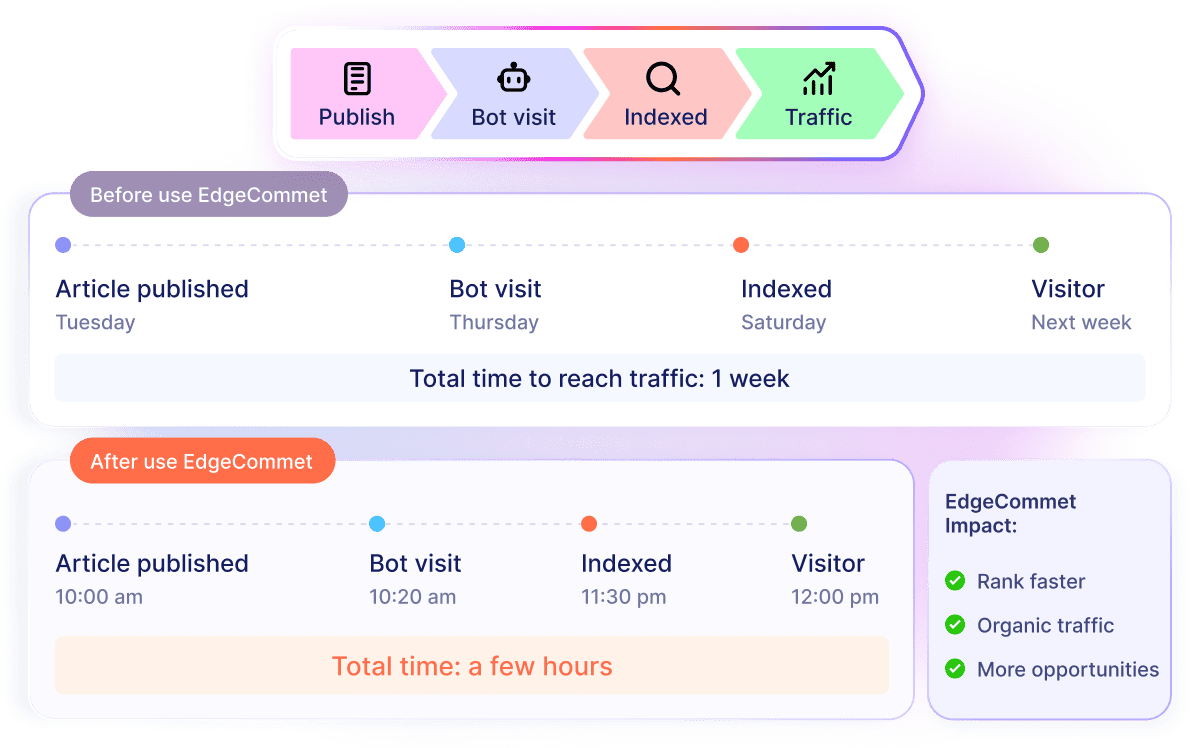
Speed is crucial for news because search engines prioritize pages they can crawl instantly. By the time slow pages make it through the indexing queue, competitors are already ranking.
For publishers, visibility depends almost completely on search engines. Every indexing delay directly affects reach, traffic, and audience growth.
A bigger share of traffic comes from Discover, where fast, crawlable content appears at the top of the feed. Pages that don’t get indexed quickly miss this opportunity.
Search engines have limited crawling resources per session. Slow and JavaScript-based content wastes that budget, leaving important pages unexplored.
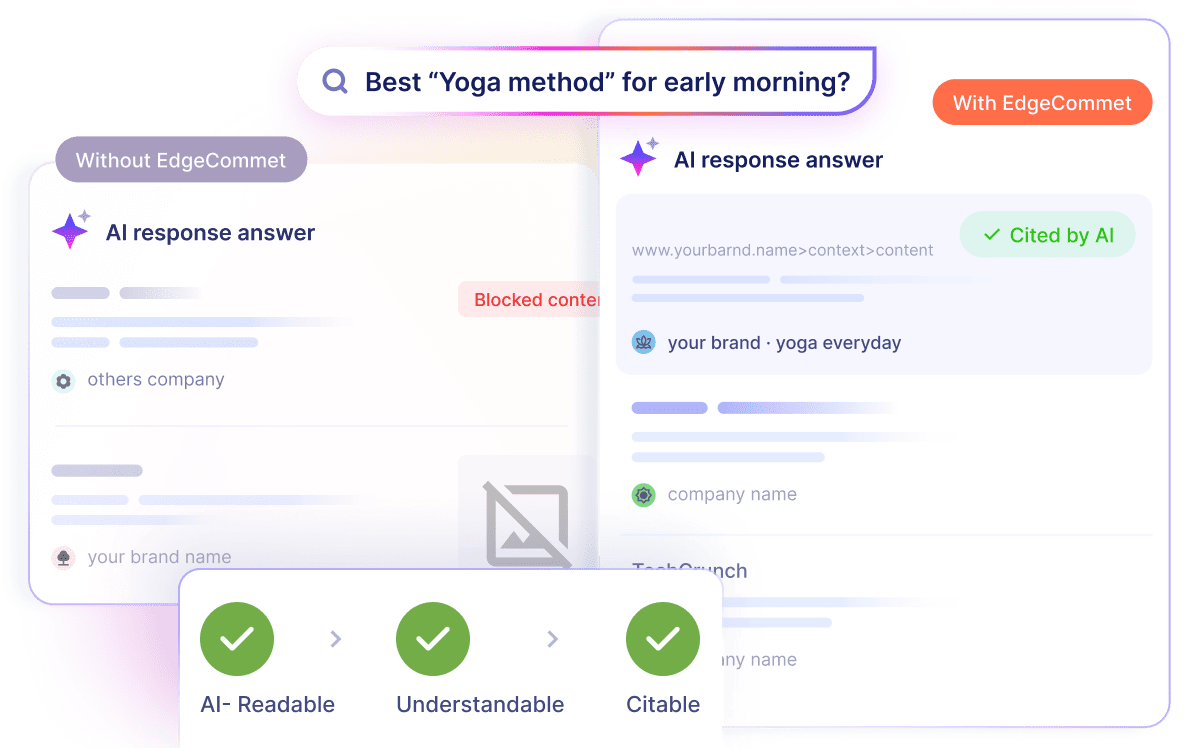
AI assistants like ChatGPT and Claude can cite your articles in their answers, introducing your content to new audiences.
EdgeComet helps you monitor OpenAI's training, search, and user-triggered crawler activity separately, track GPTBot and OAI-SearchBot traffic over time, and see how AI systems access your content.
Ranking at the top used to be perfect.
Today, the real value is being the source that AI selects to answer a question. If your news isn't discovered and readable, it can't be chosen.
AI bots work the same way search bots do – they pick up fast and easy-to-read content.
News publishers who load immediately get read and cited, whereas slow sites get skipped.
With EdgeComet, search engines and AI platforms will see every article you publish
EdgeComet shows what bots like Google, GPT, Perplexity, or Claude receive after JavaScript is rendered, with full page-level SEO data attached.
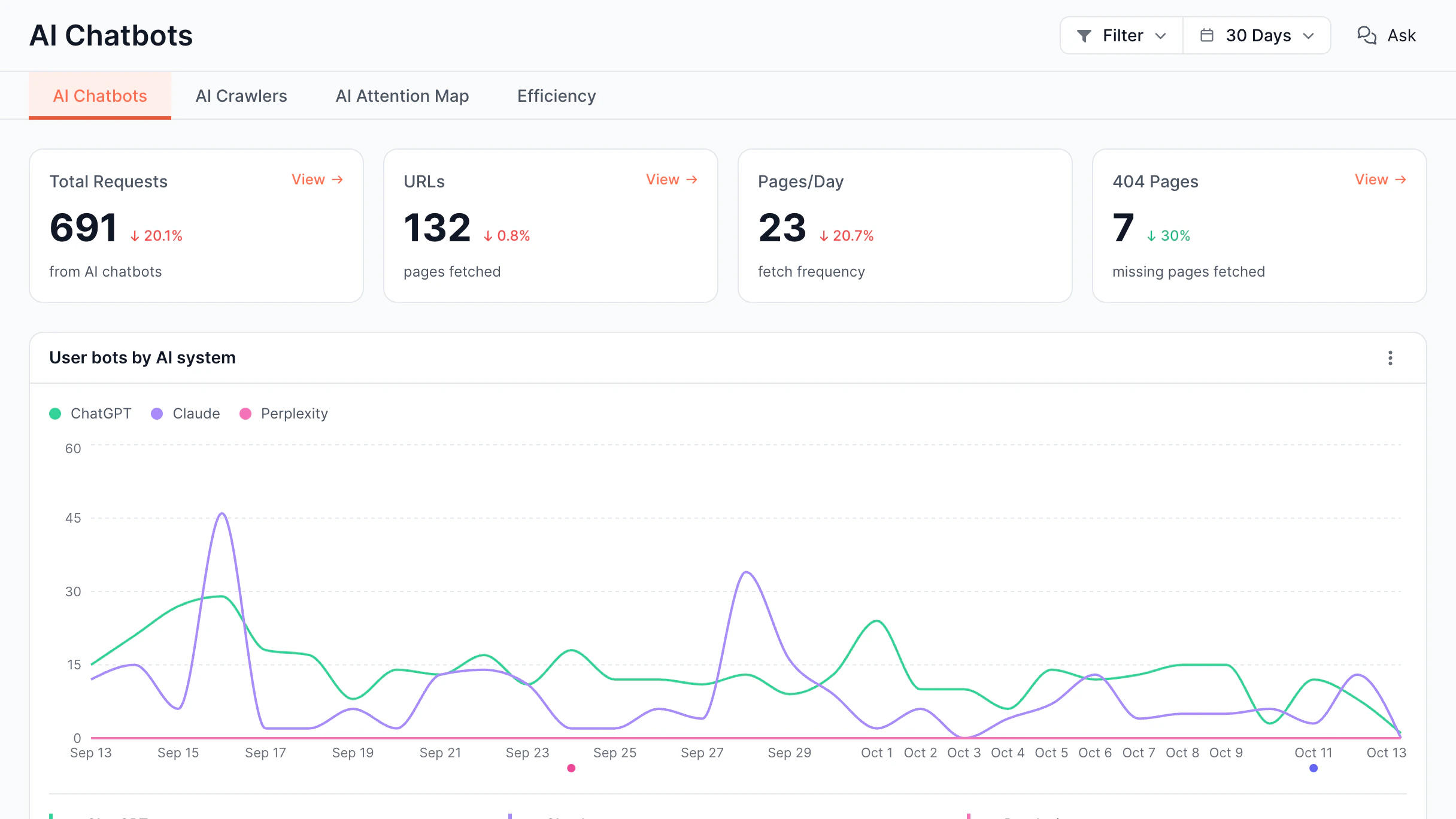
Pages ChatGPT, Claude, and Perplexity fetch while answering users, by day.
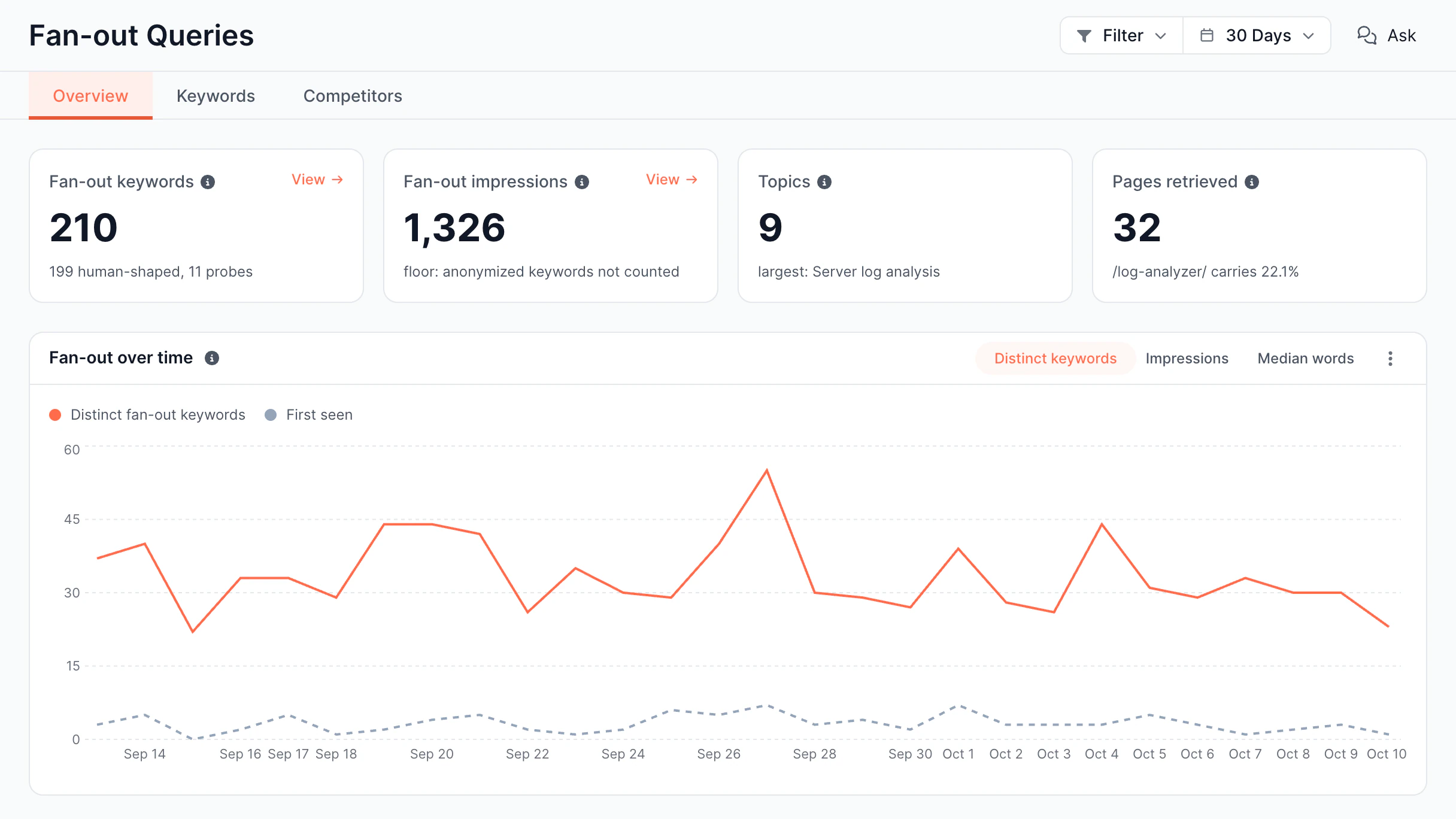
Fan-out keywords from Search Console, grouped into topics, with impressions.
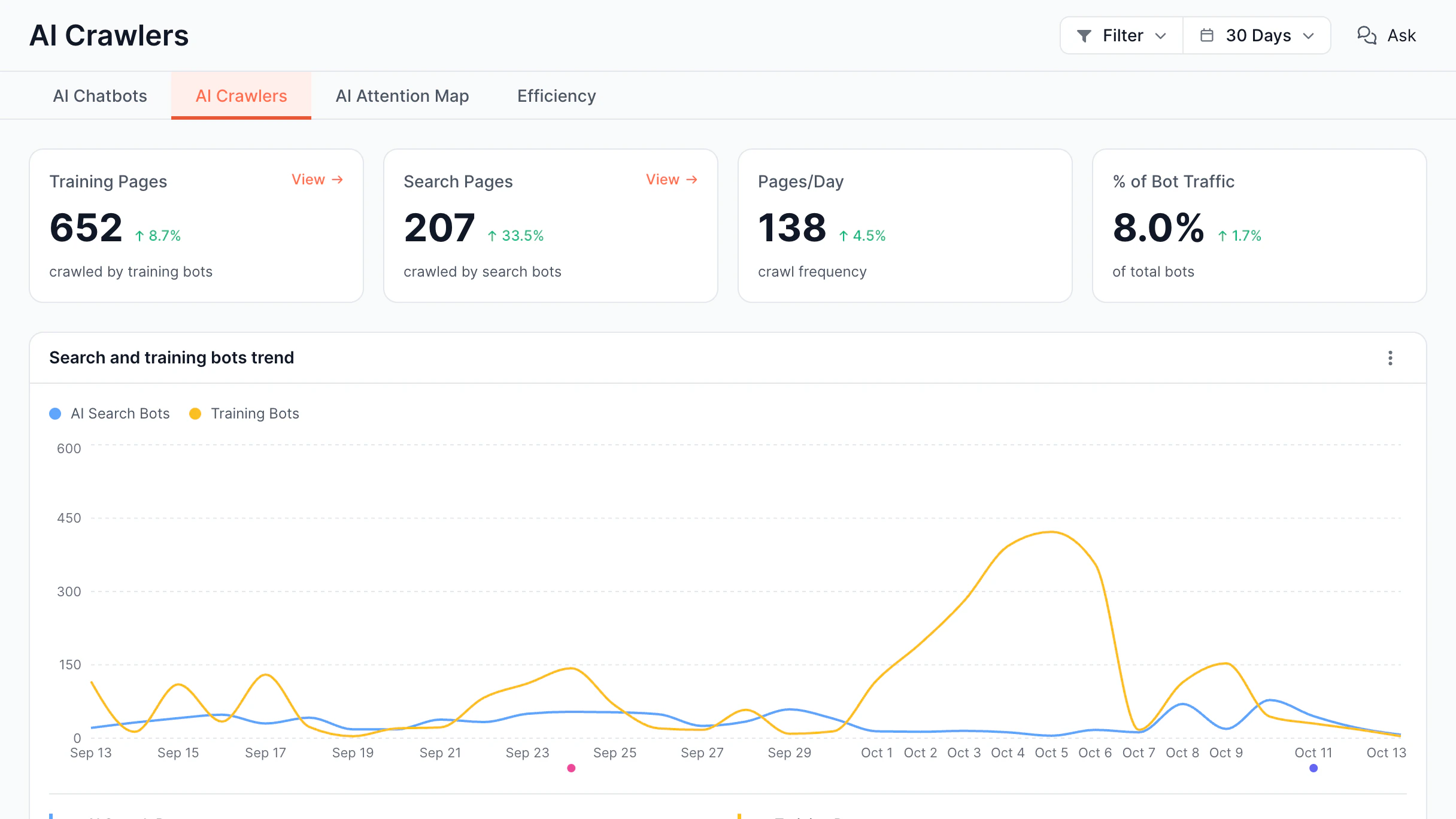
AI training and search bots: pages crawled, pages per day, share of traffic.
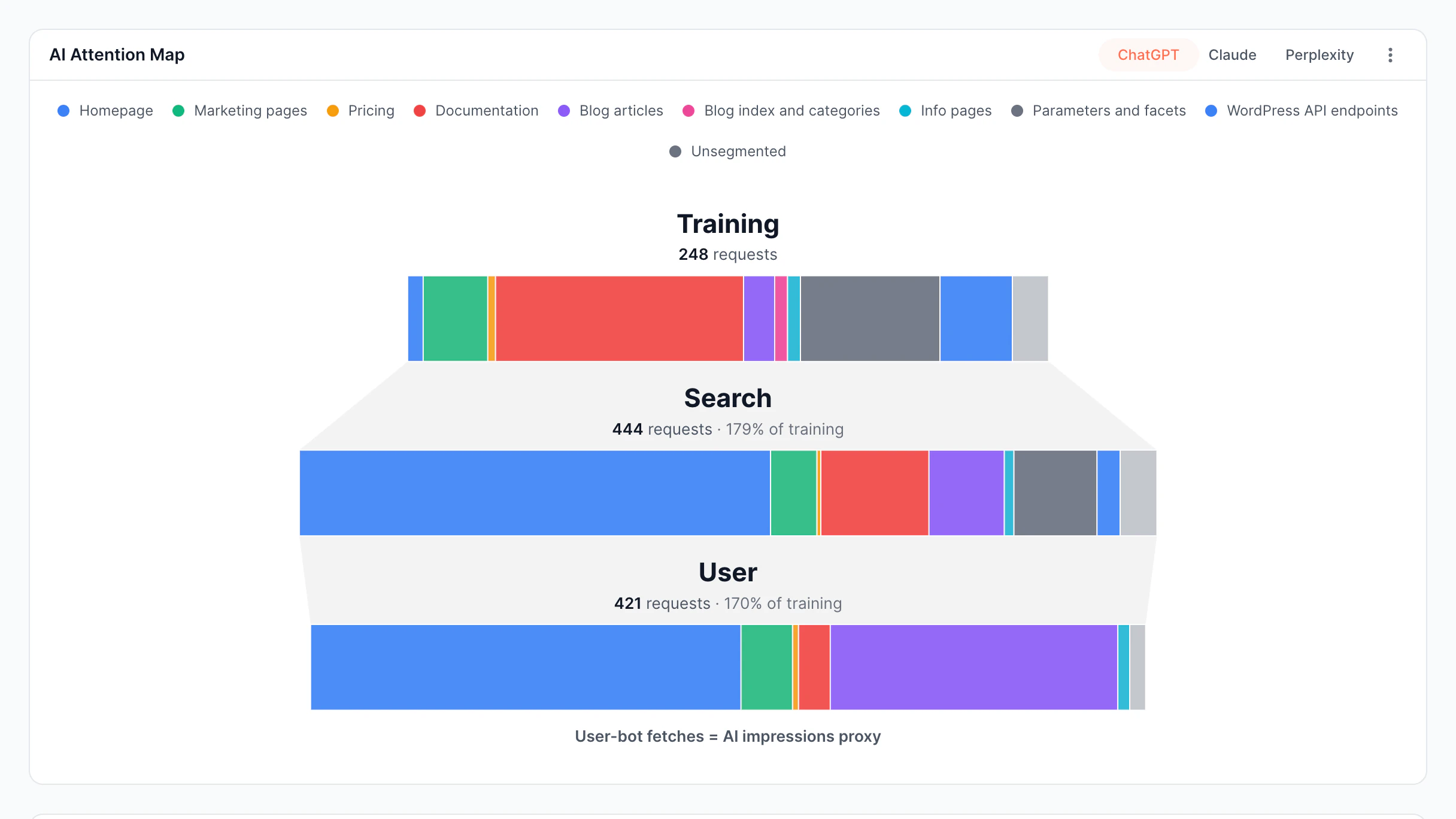
Training, search, and user bot requests by page type, for each AI provider.
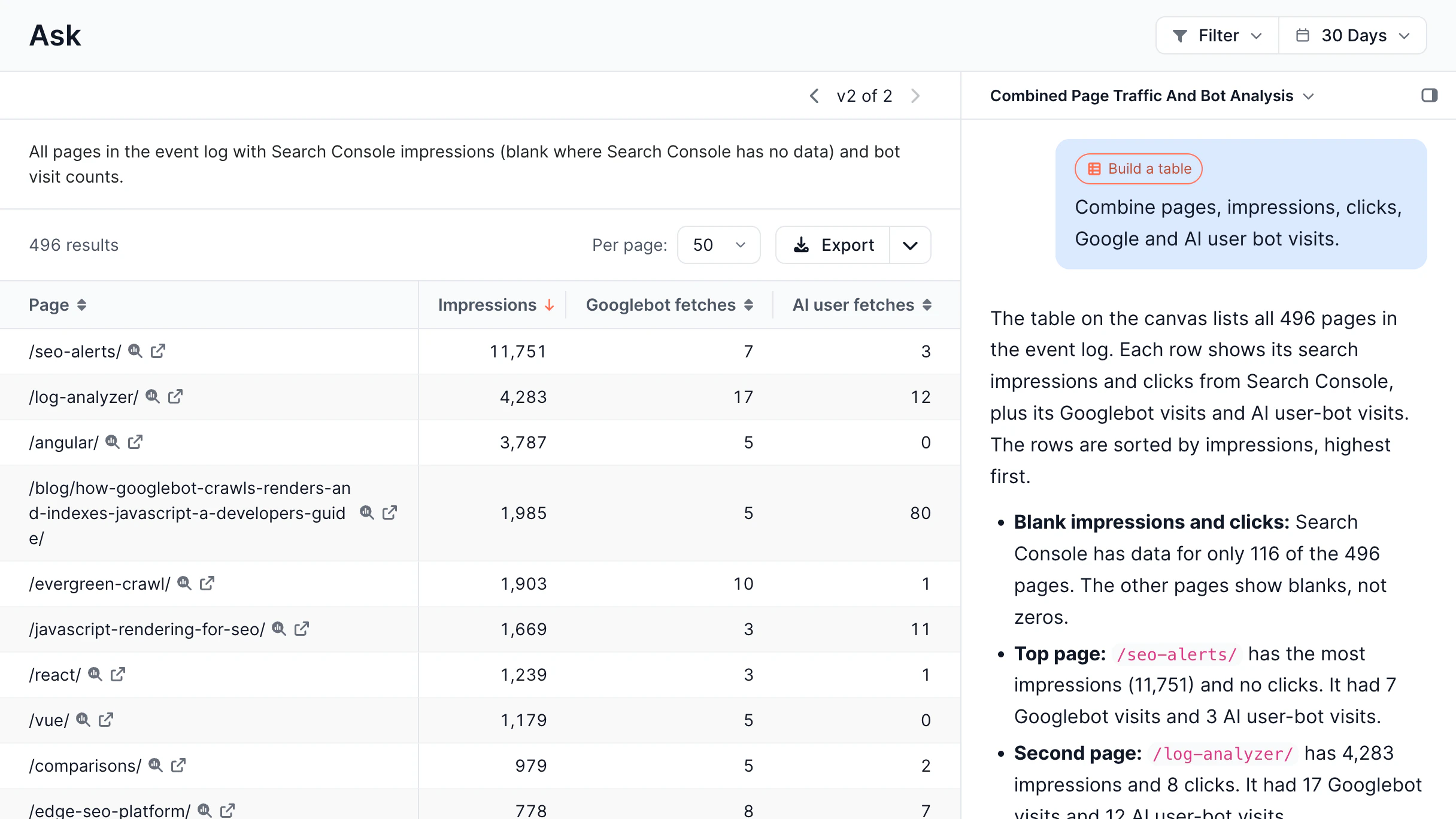
Chat that answers with sortable tables you can export to CSV or Google Sheets.
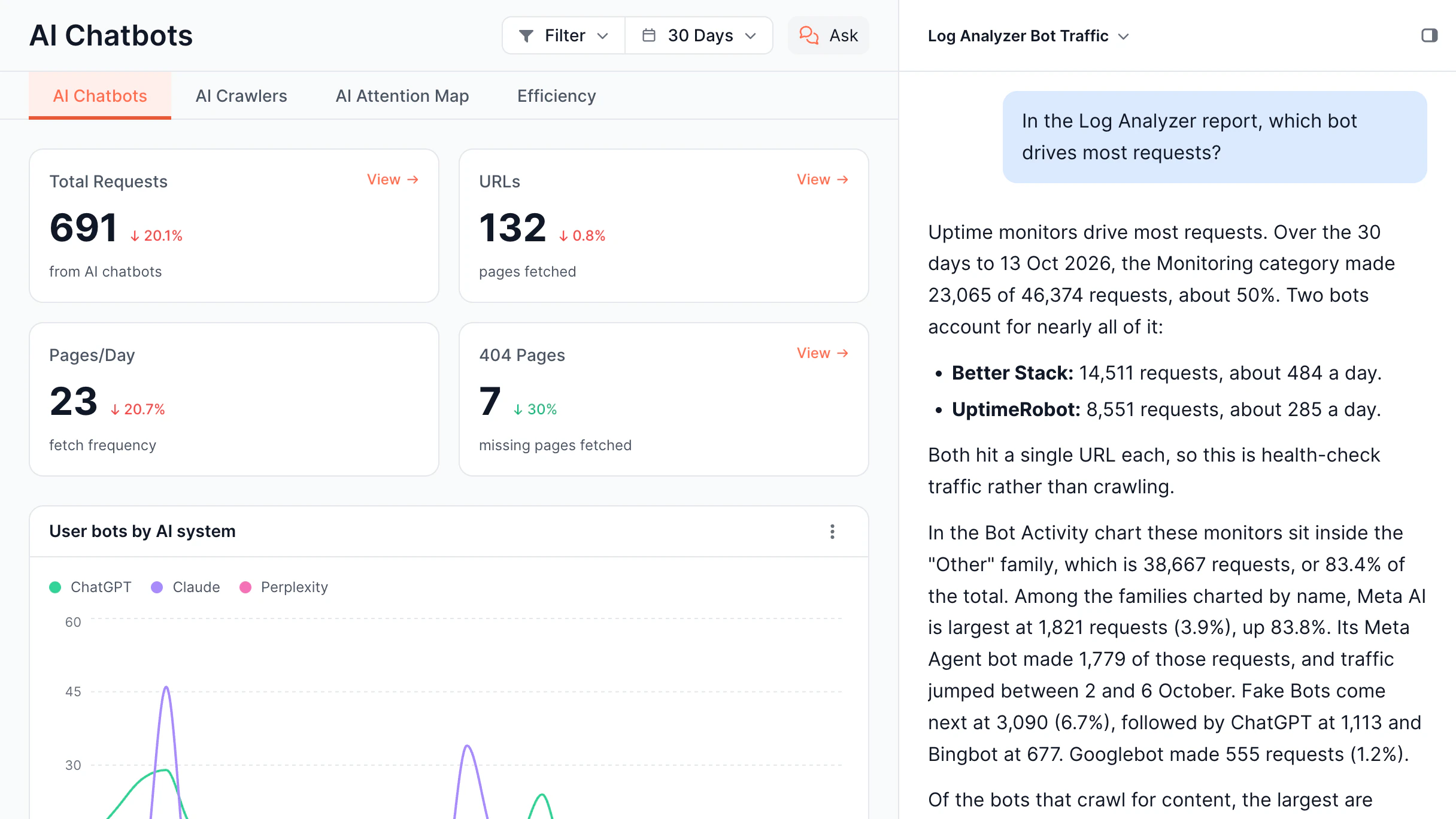
Chat panel next to any report that answers questions about its data.
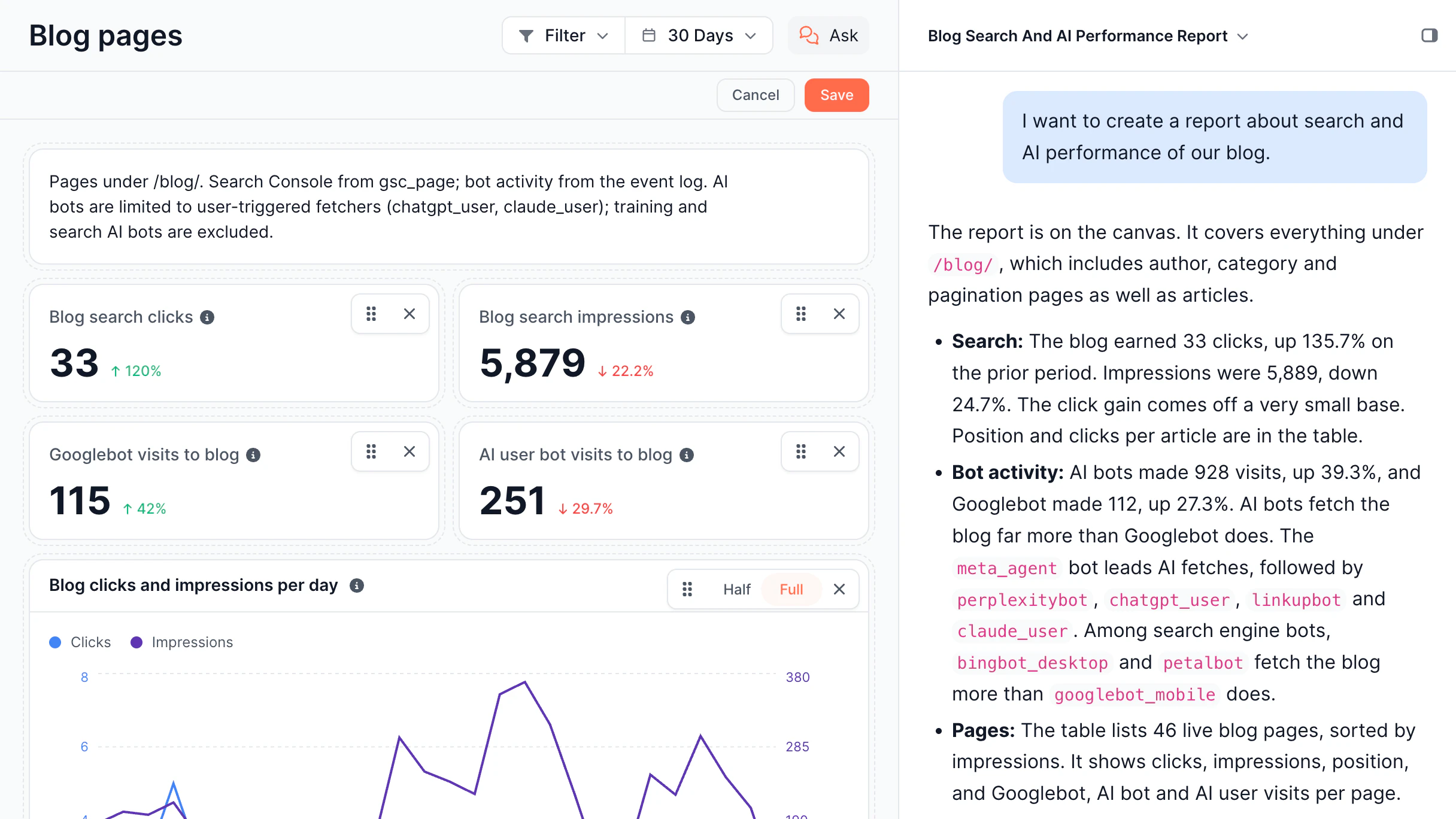
Custom reports built from a chat request, with widgets you can edit and save.
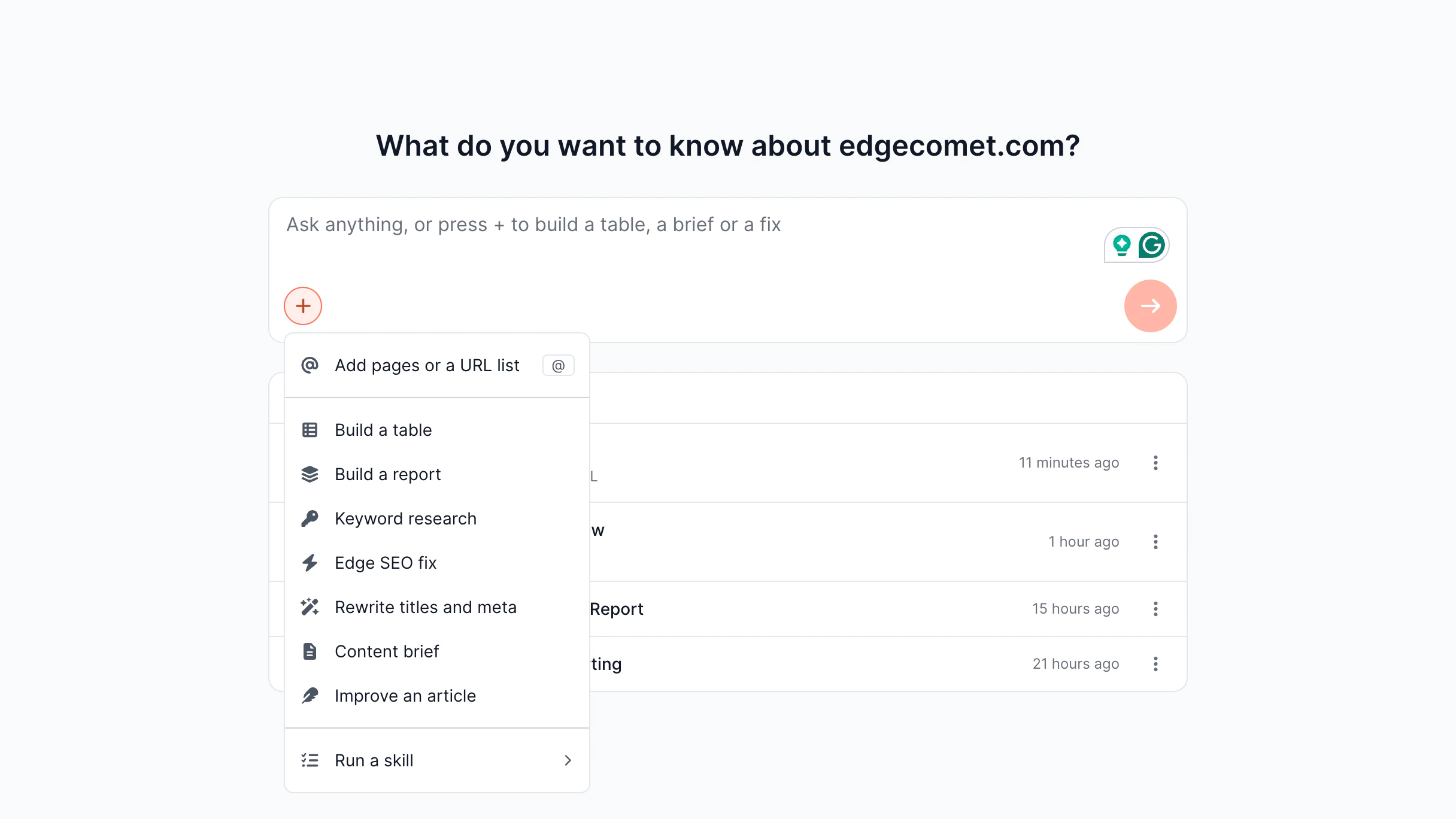
Skills menu: keyword research, content briefs, article and meta rewrites.
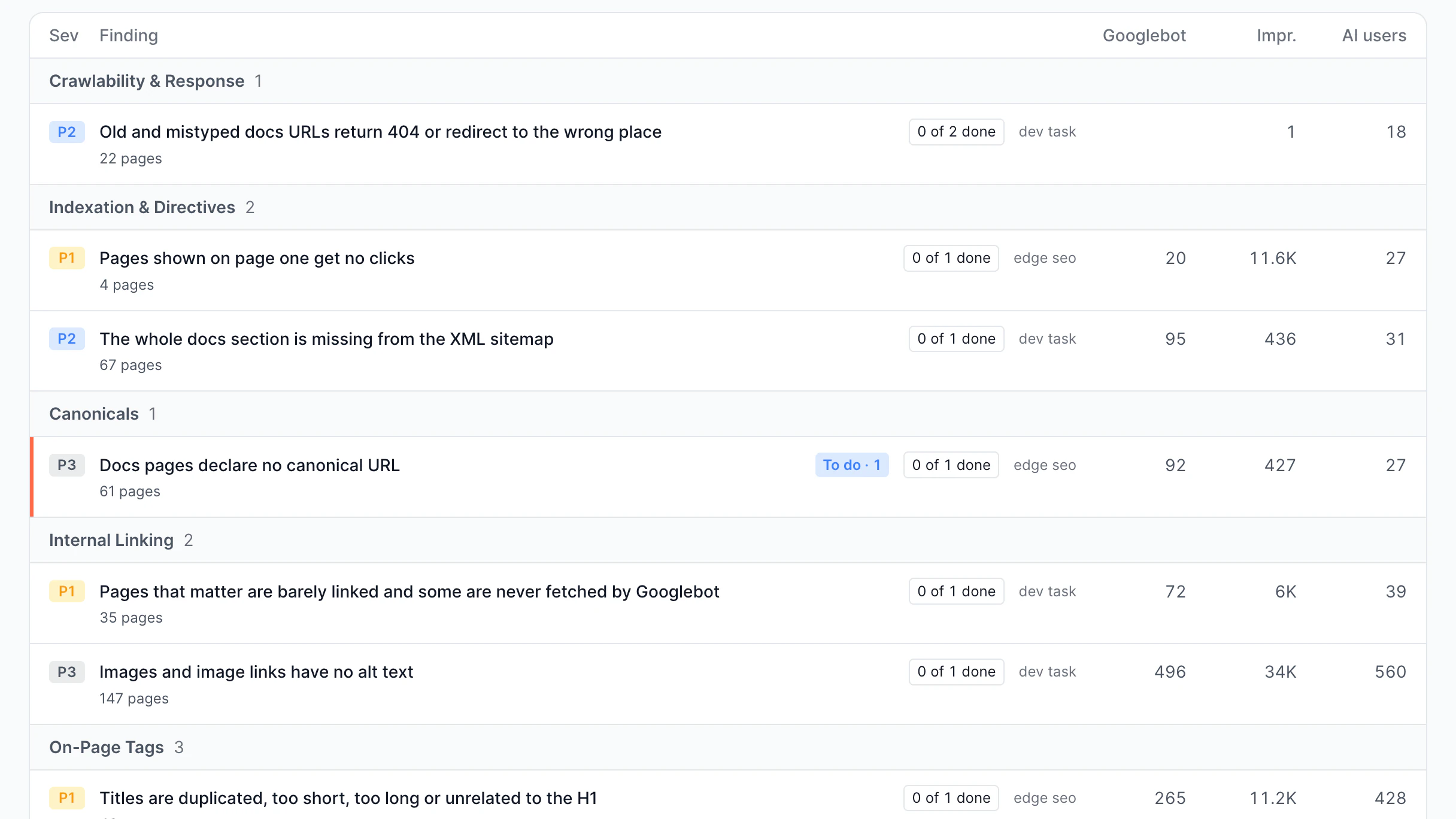
Findings by type and severity, with traffic per issue.
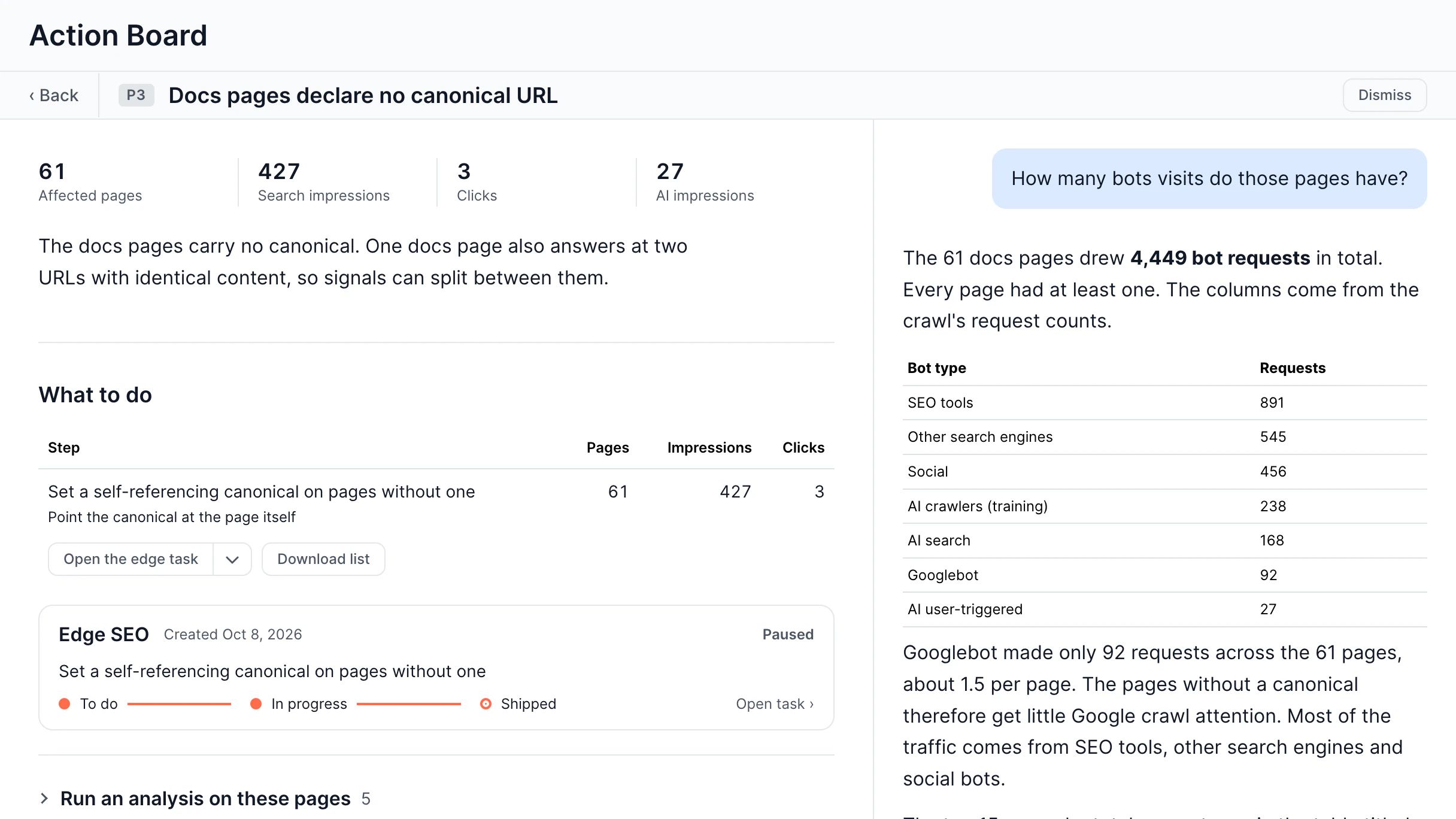
One finding: affected pages, fix steps, task status.
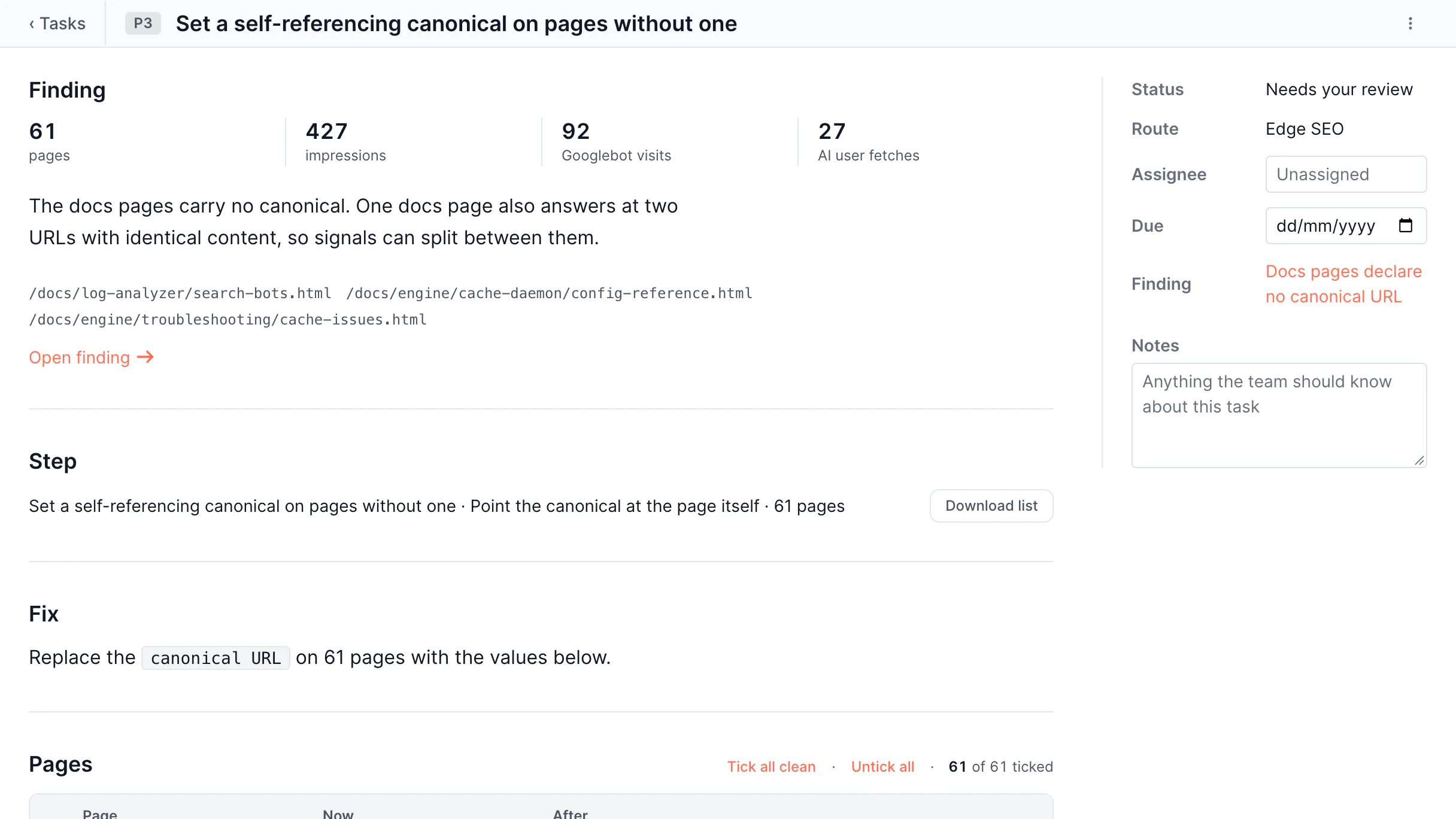
Task page with status, assignee, due date, and notes.
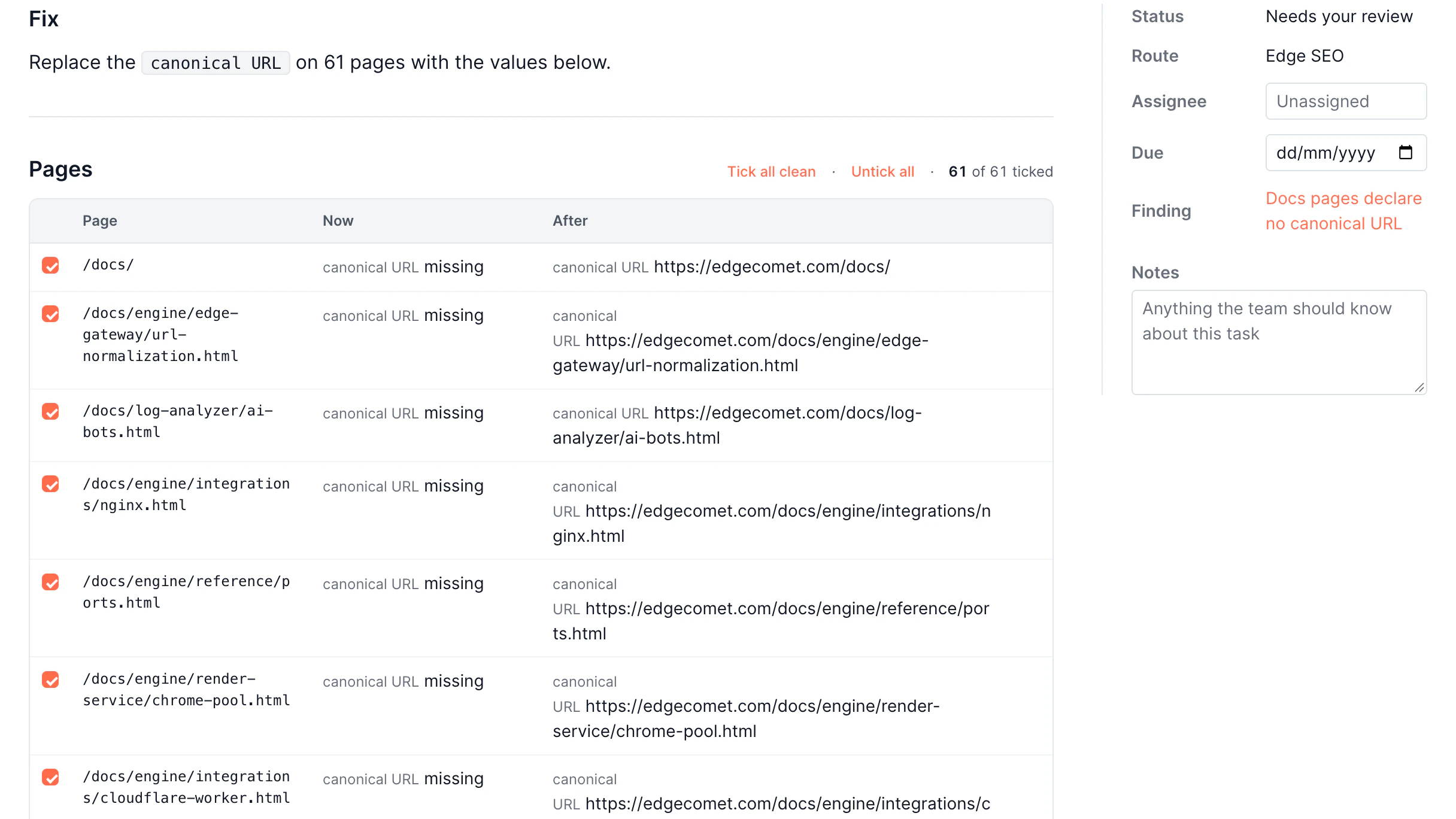
Before and after values per page, with edge deploy.
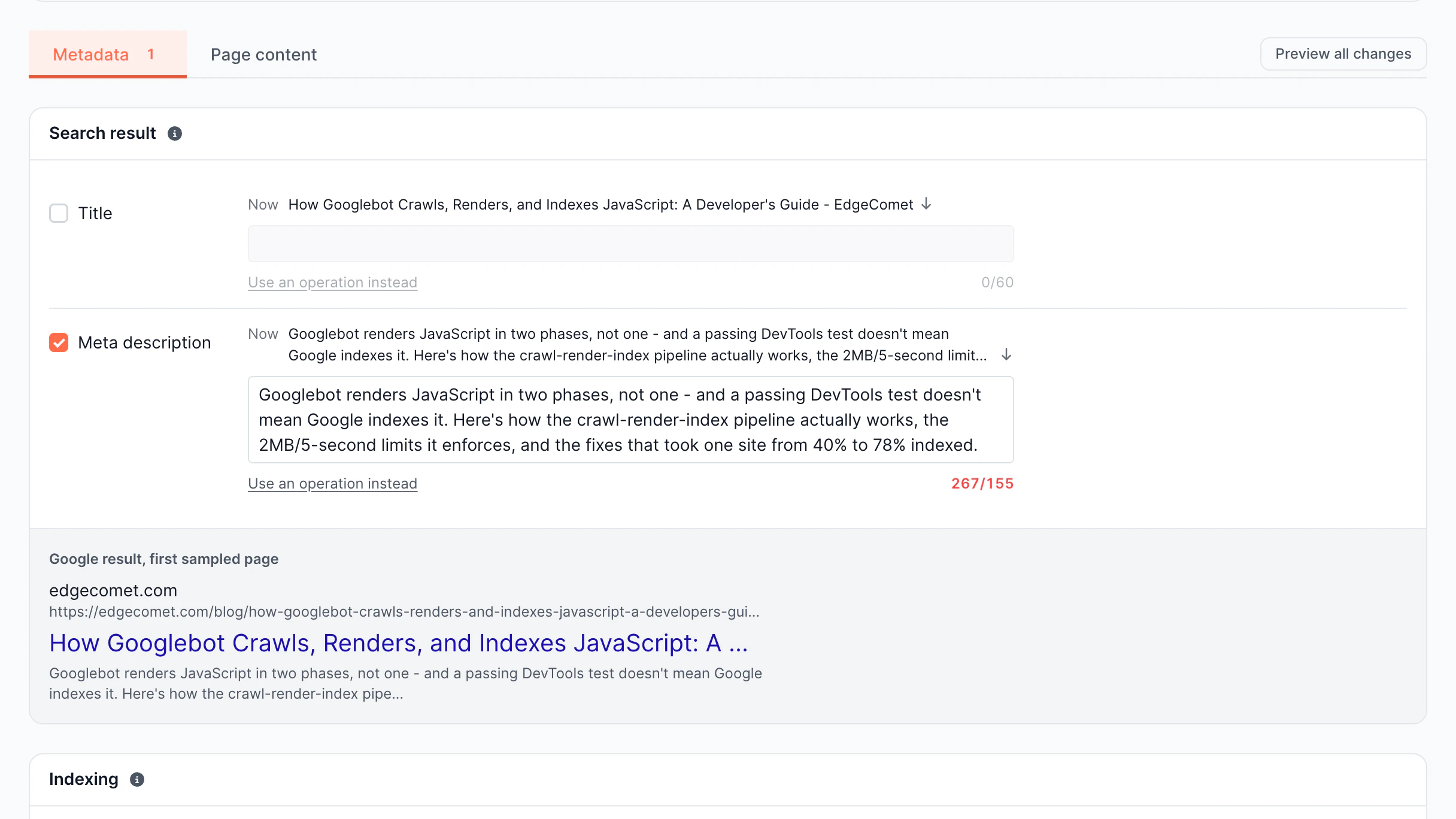
Title and meta overrides with a Google result preview.
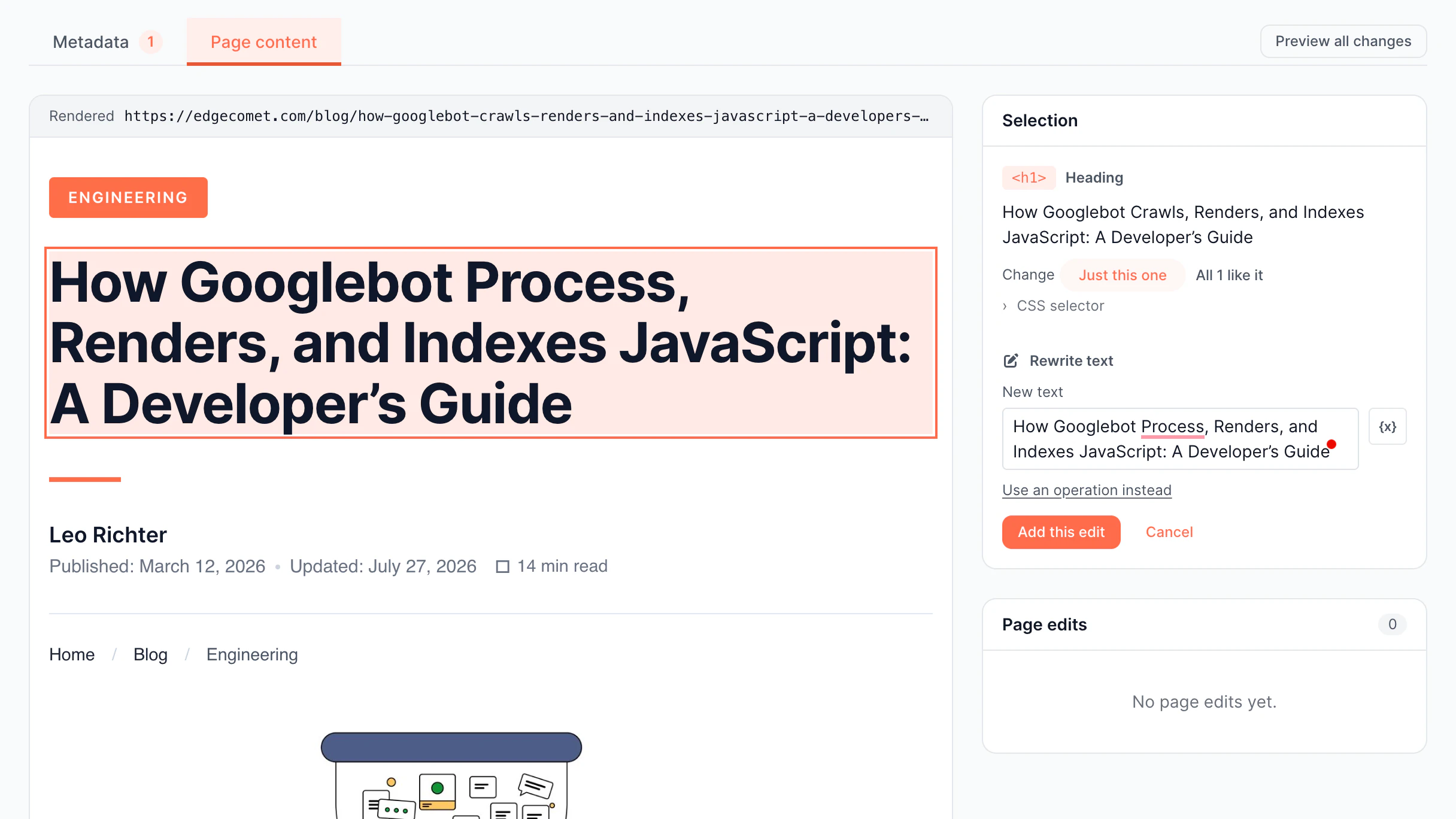
Select an element on the rendered page and edit its text.
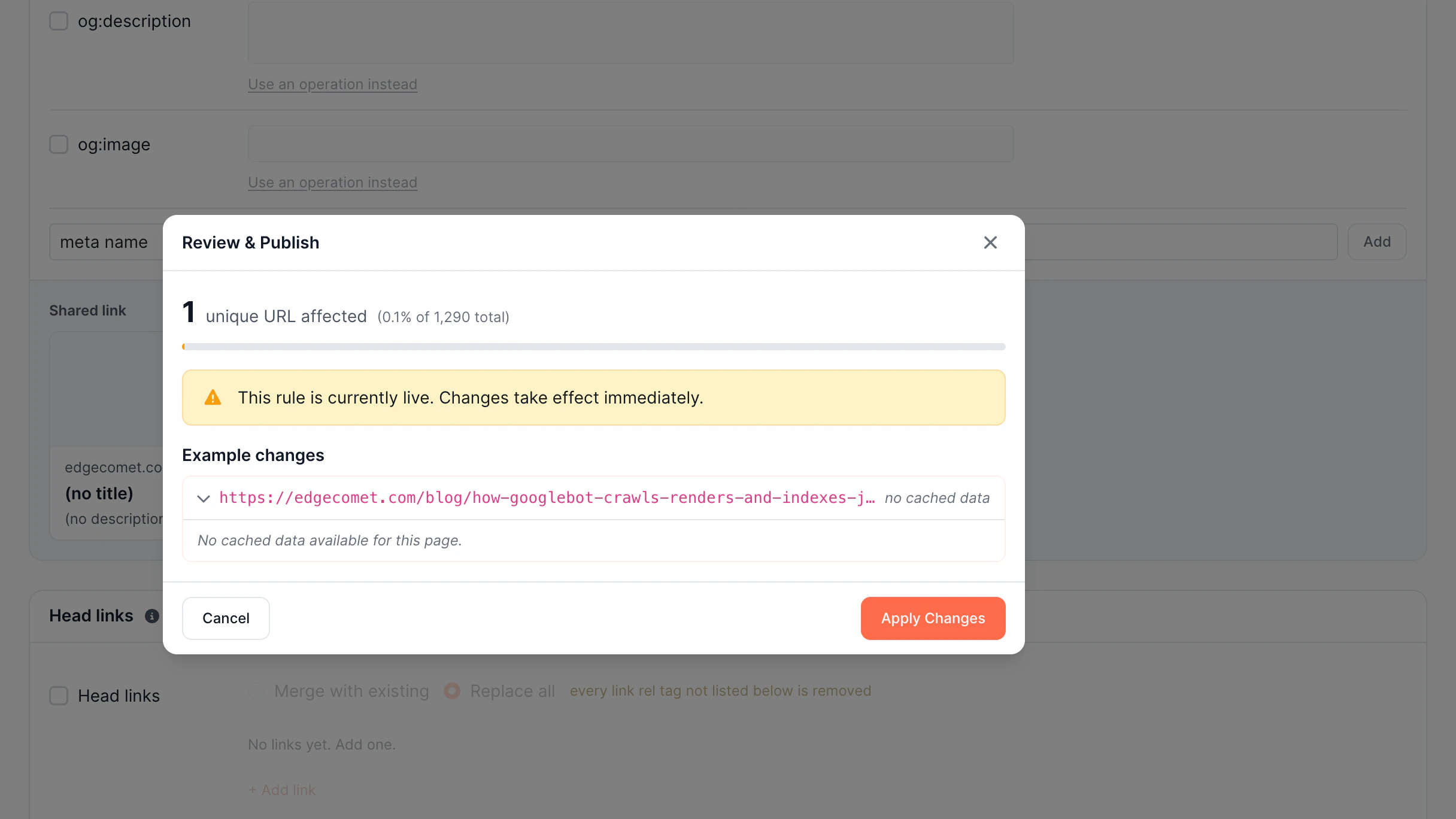
Review dialog with the number of URLs a rule changes.
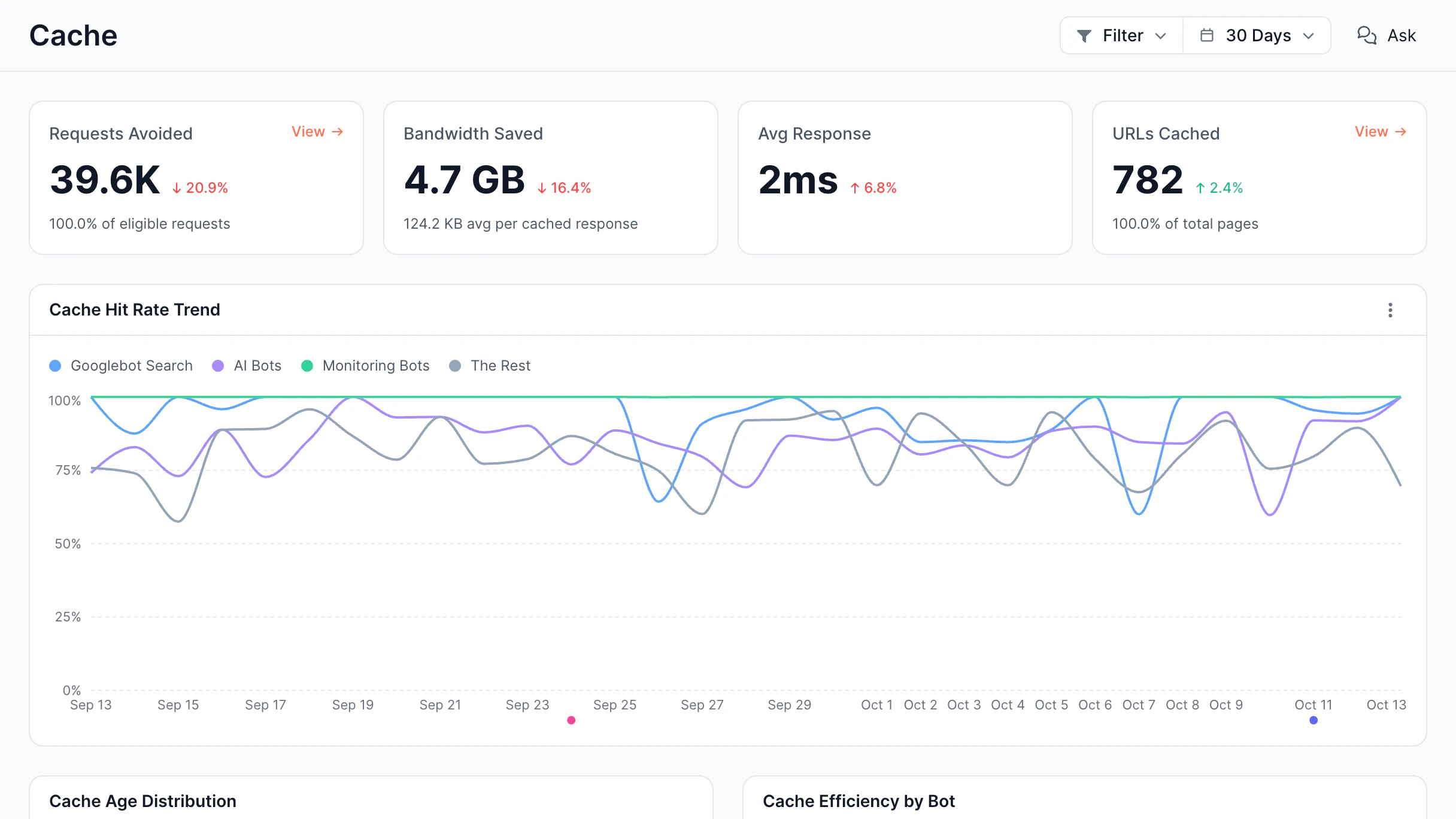
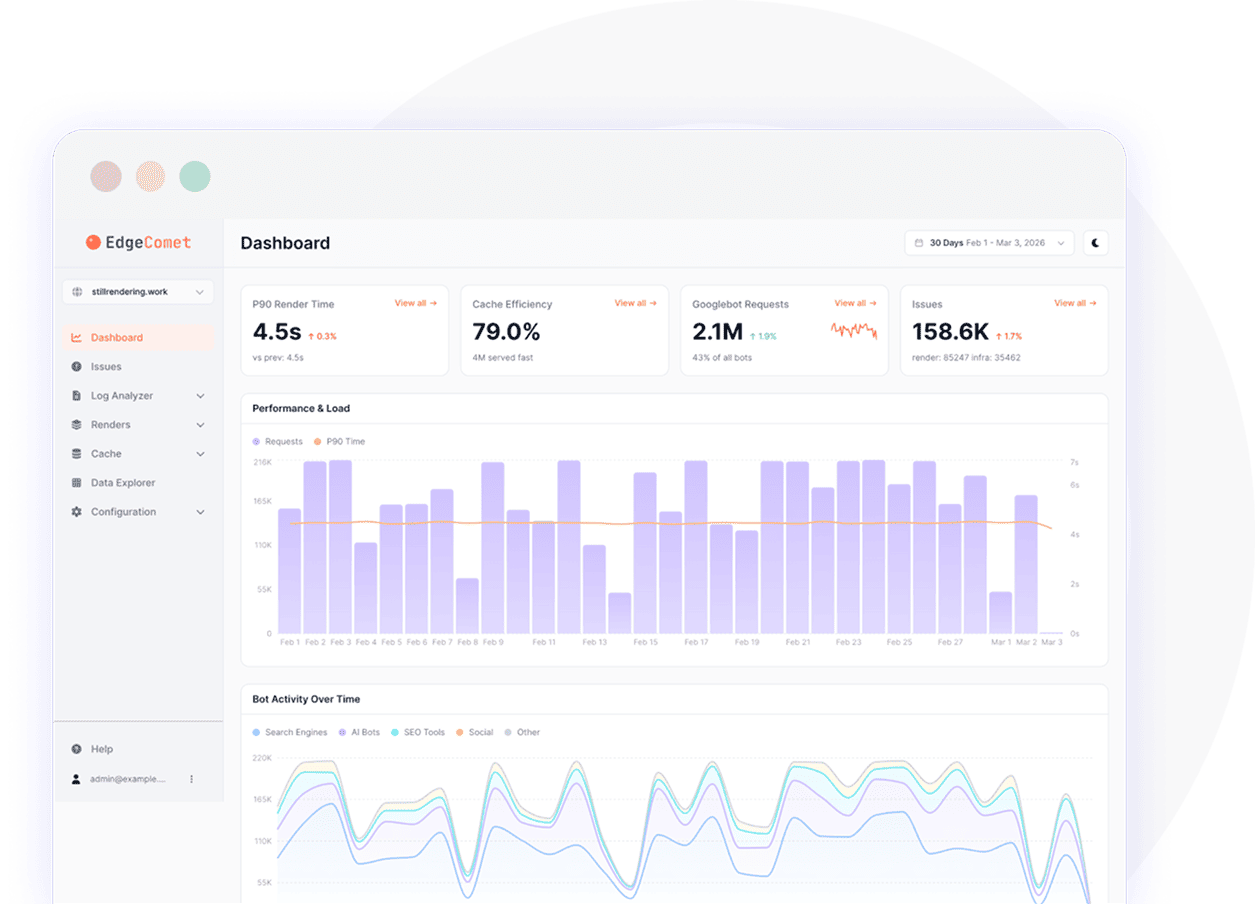
Hit rate, bandwidth saved, and cache age.
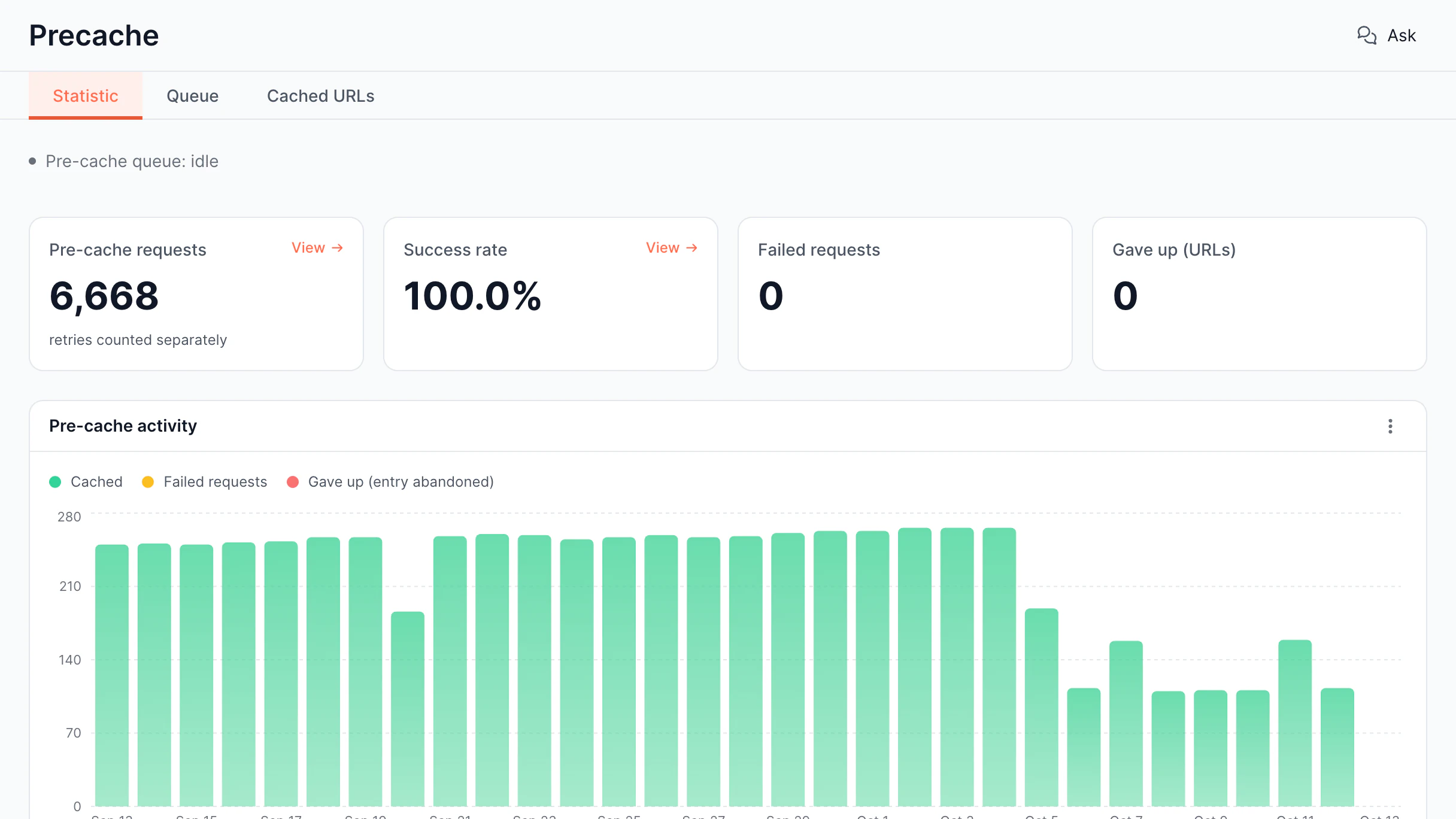
Pre-cache queue, success rate, and failures.
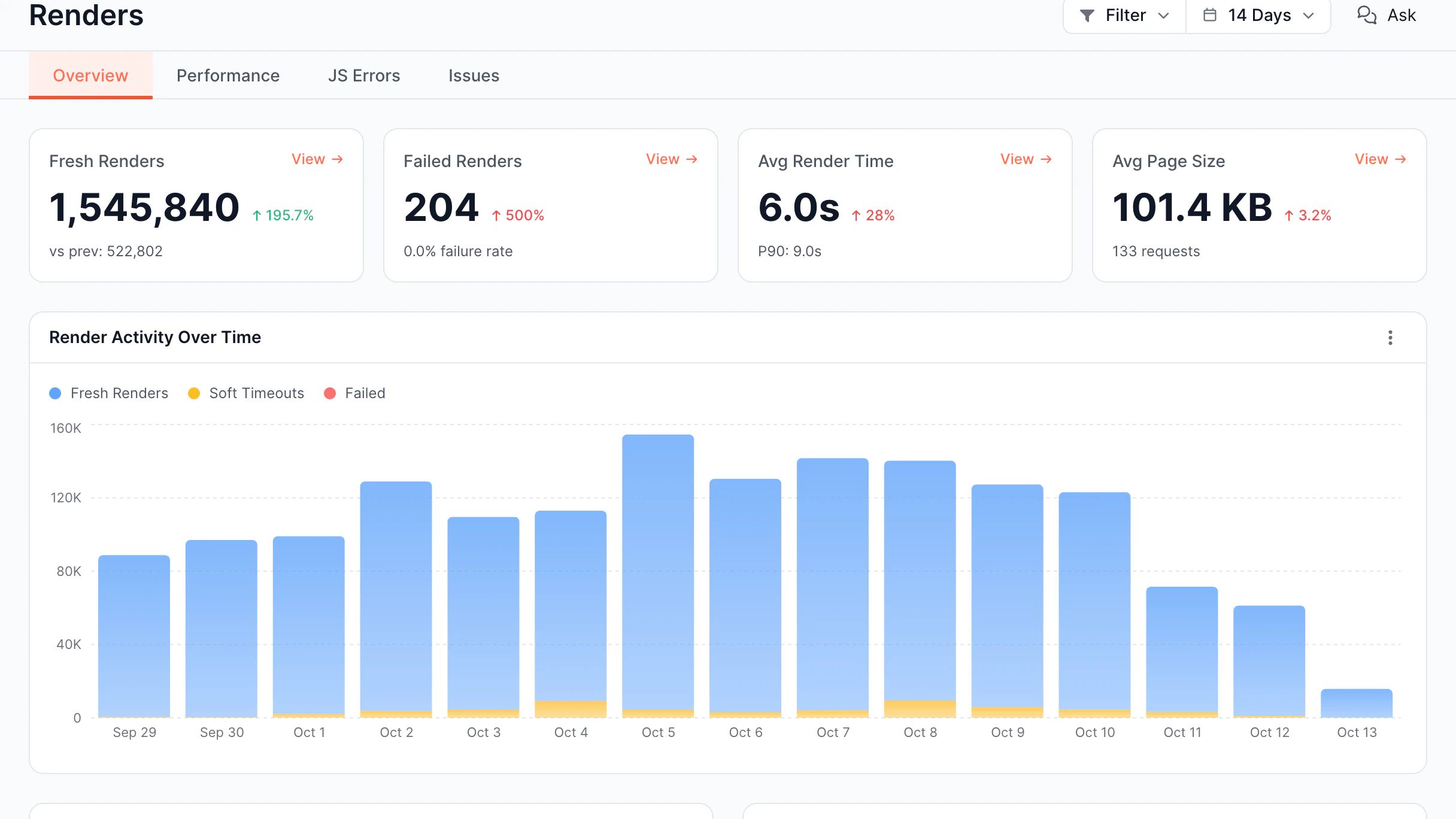
Renders per day, failures, and render time.
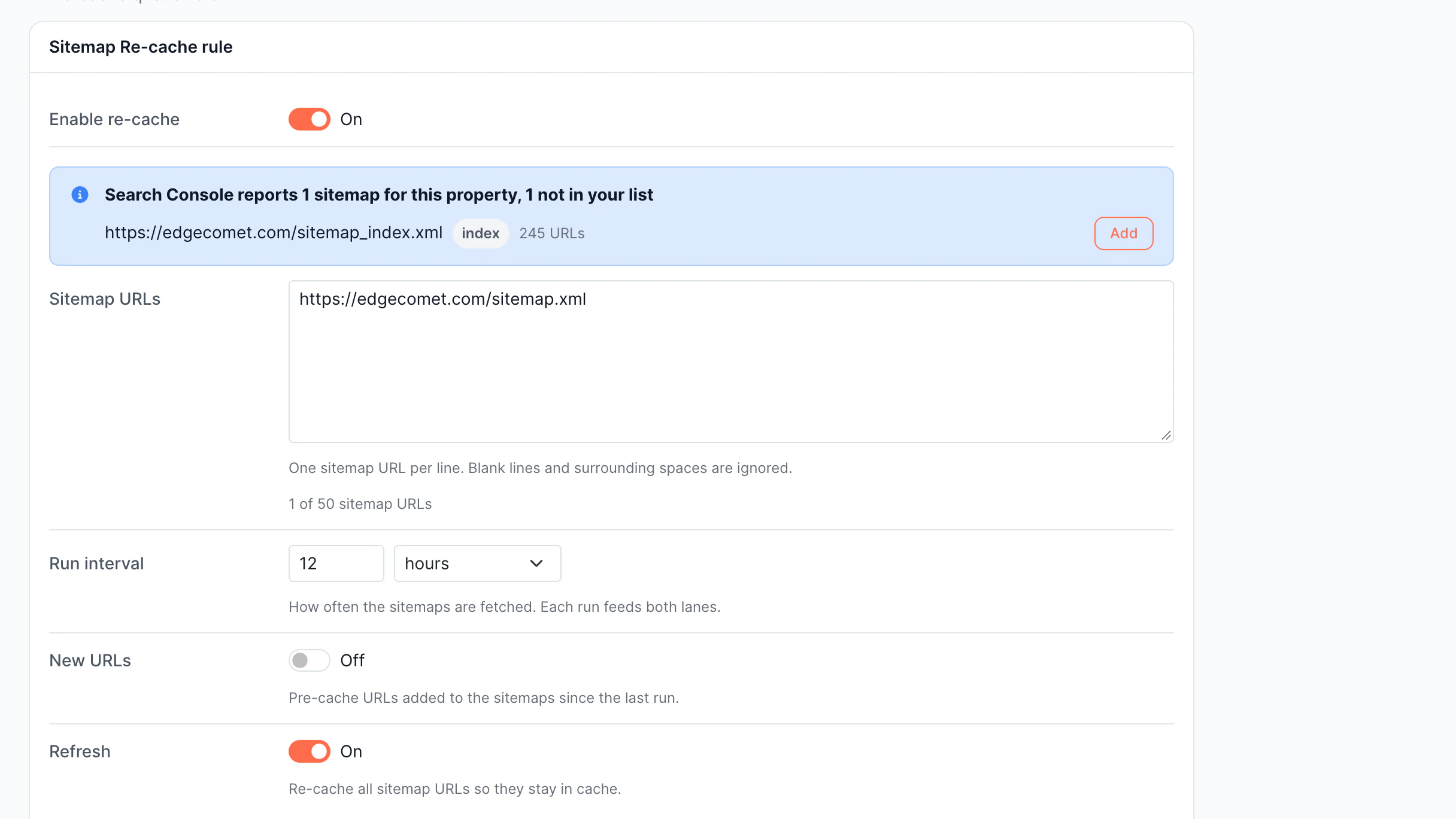
Re-cache rule for sitemap URLs on a schedule.
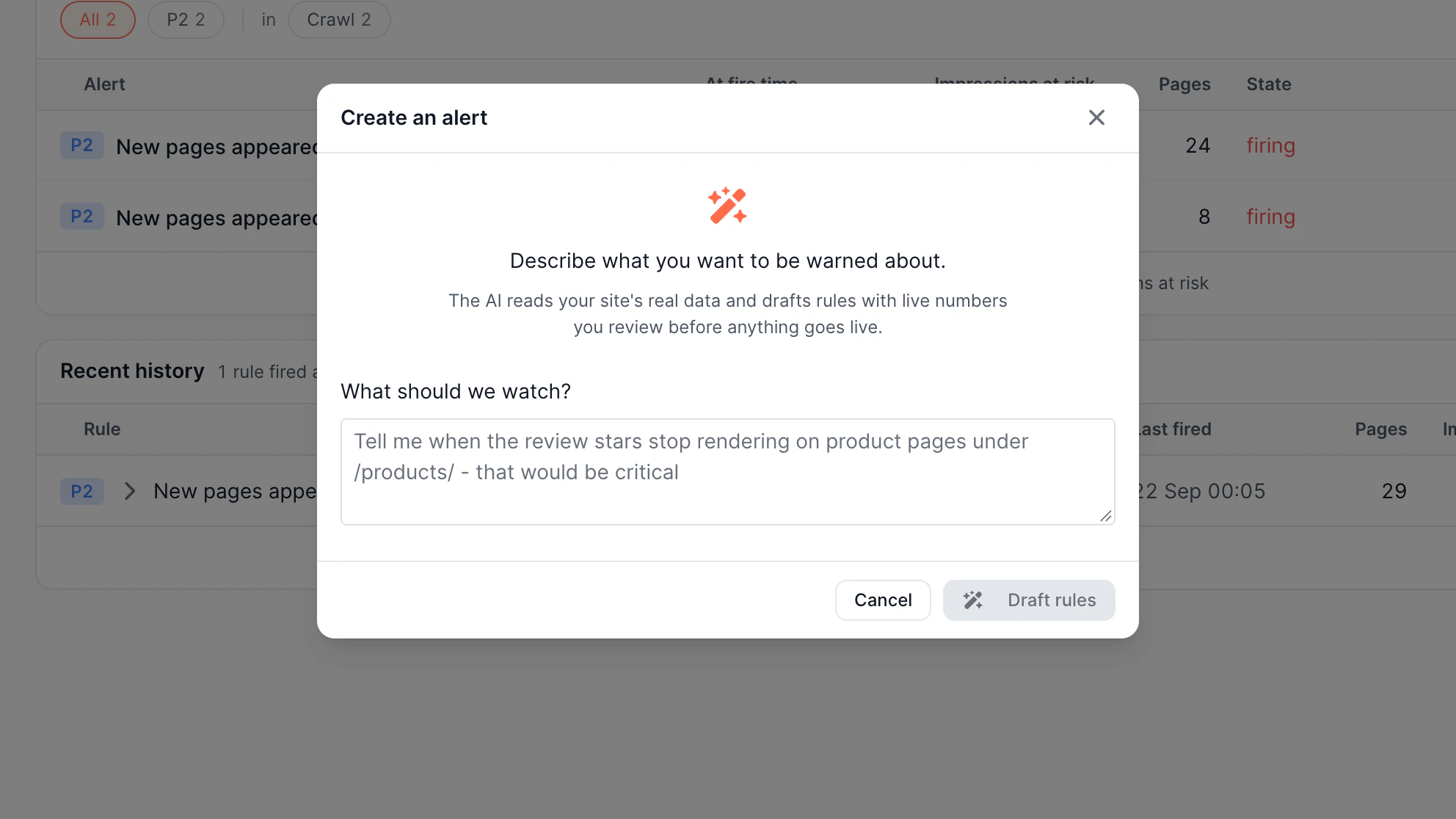
Create an alert by describing it in plain text.
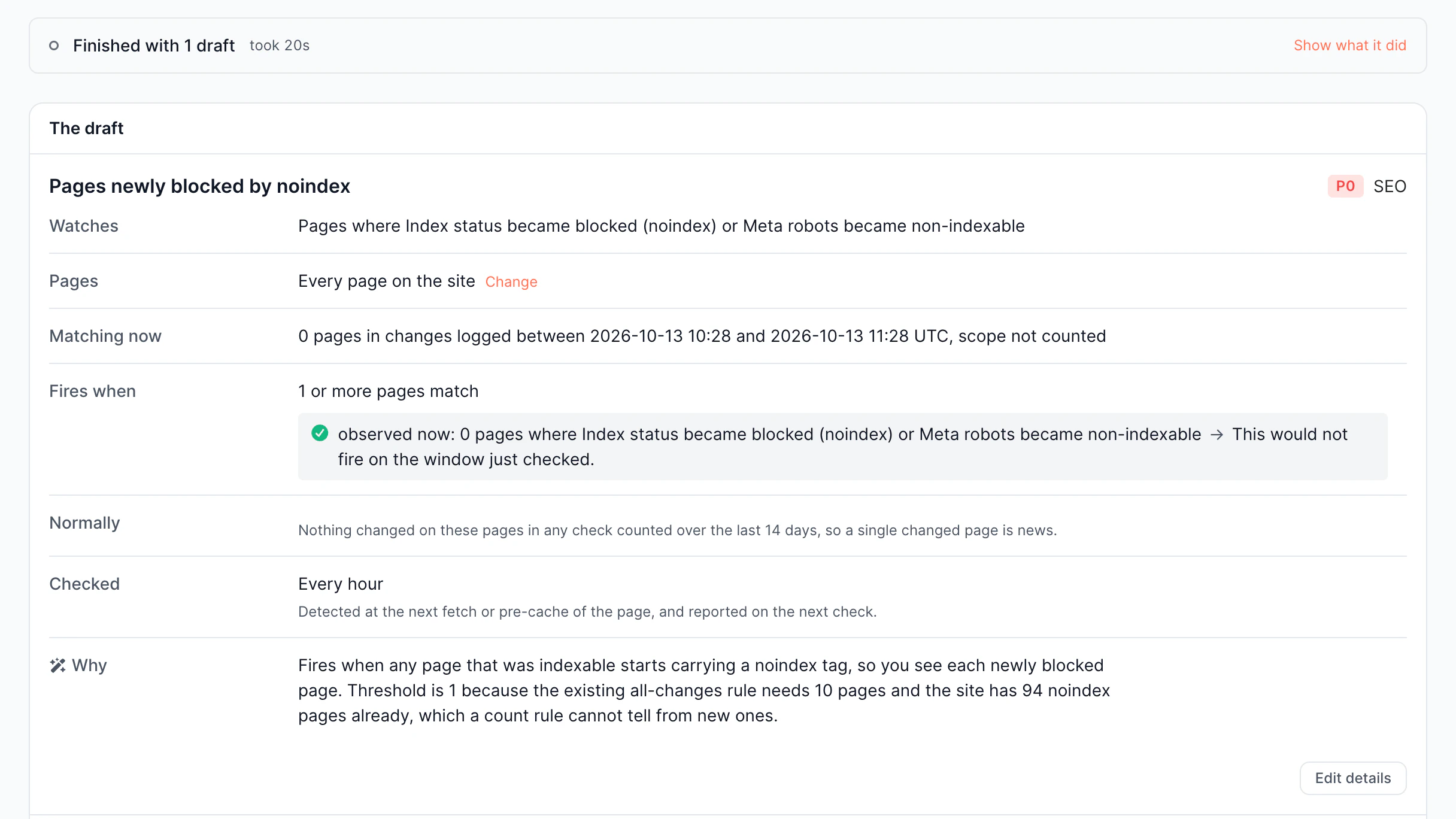
AI-drafted rule: what it watches and when it fires.
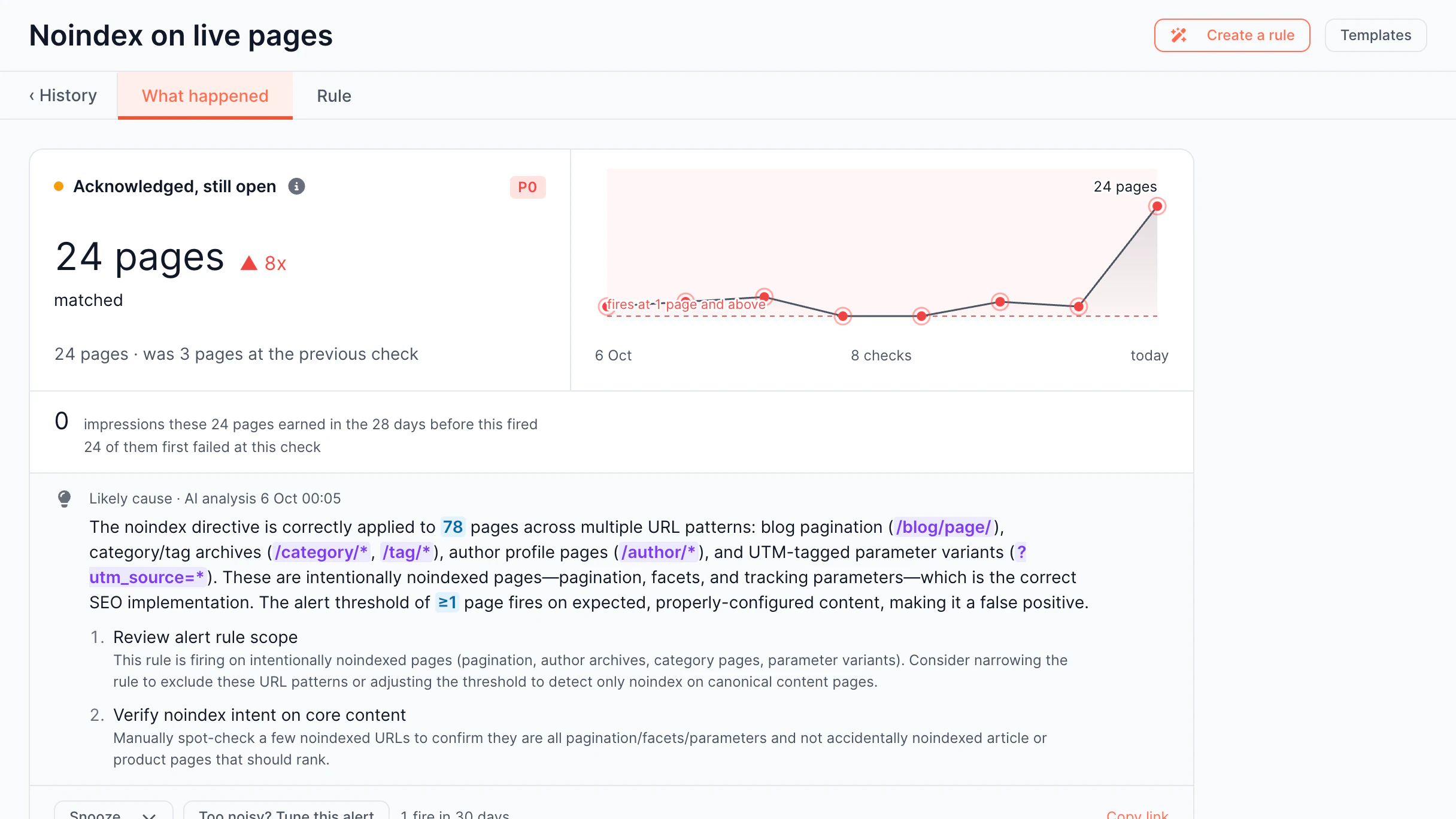
Incident page with matched pages and AI cause analysis.
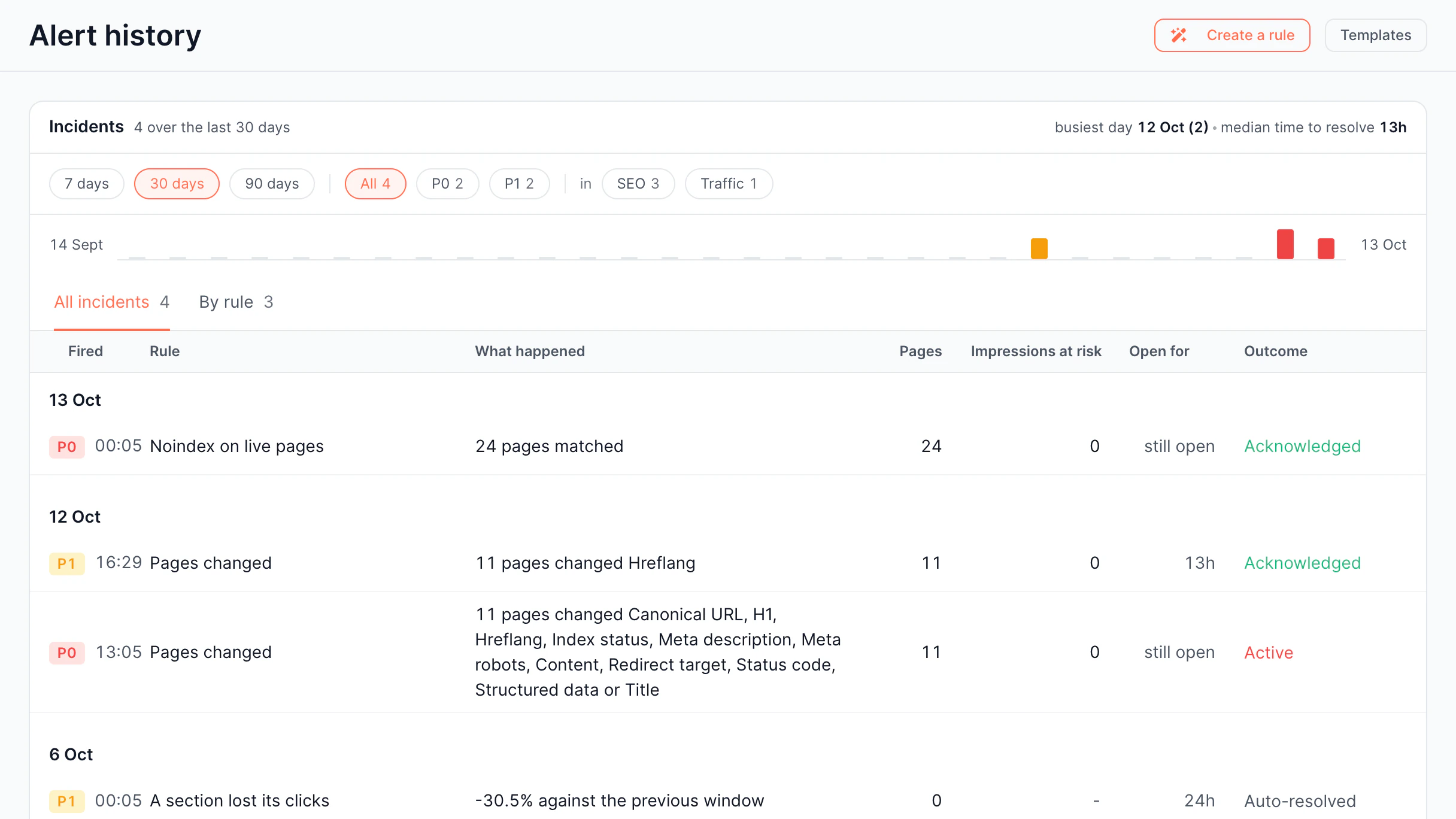
Incident log with pages, impressions at risk, and outcome.
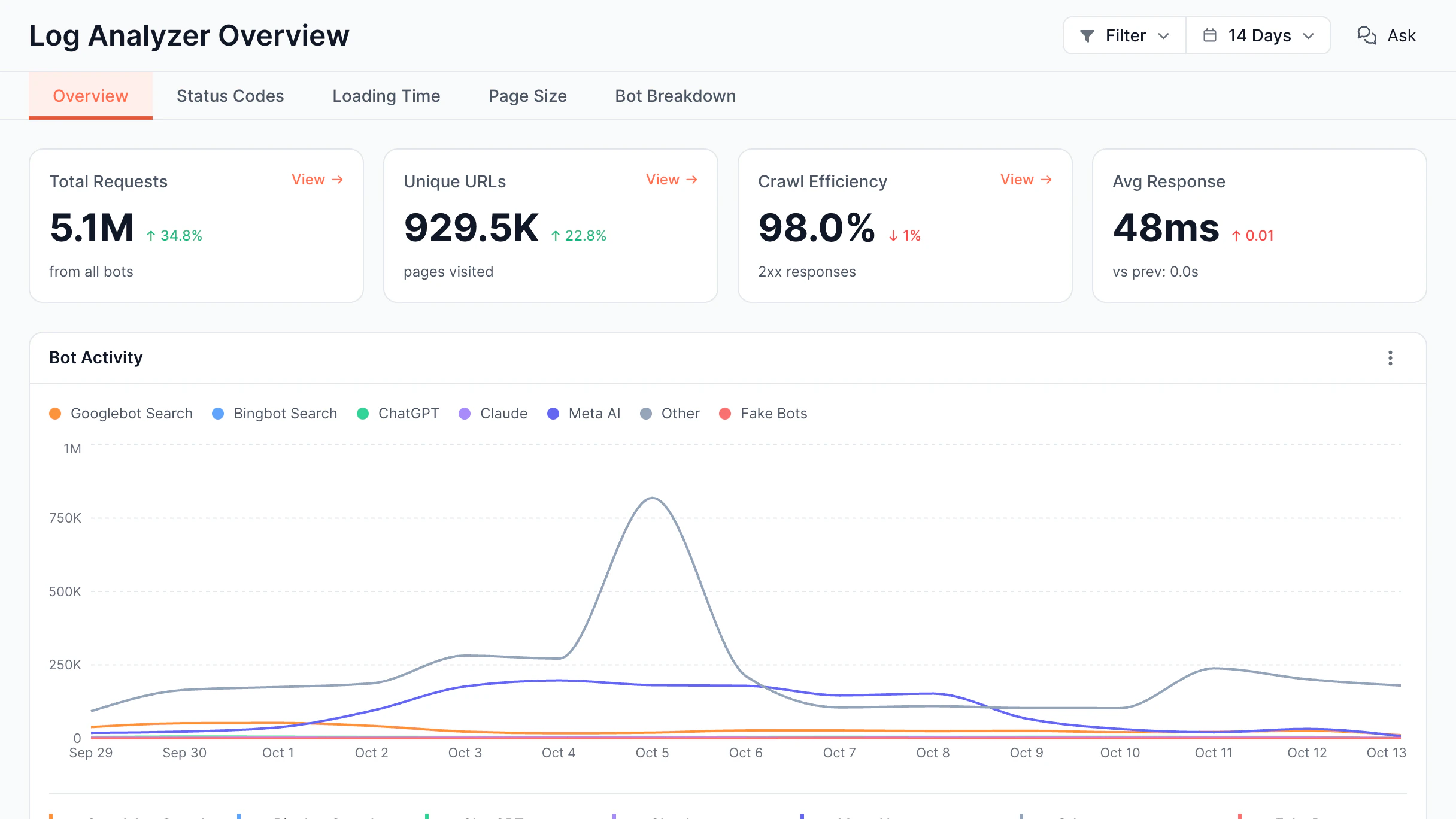
Requests per bot family, with status and response time.
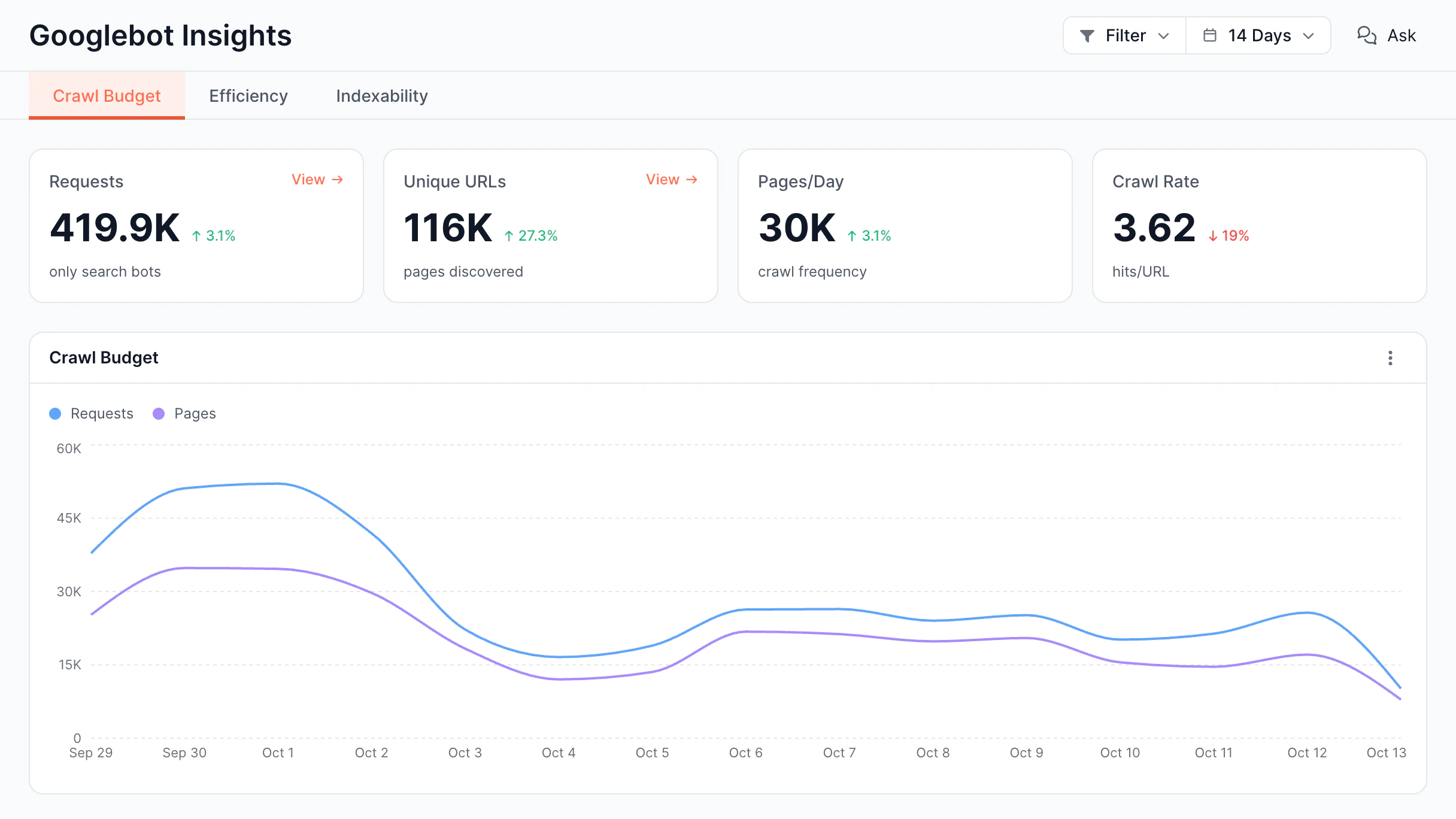
Googlebot requests, unique URLs, and crawl rate per day.
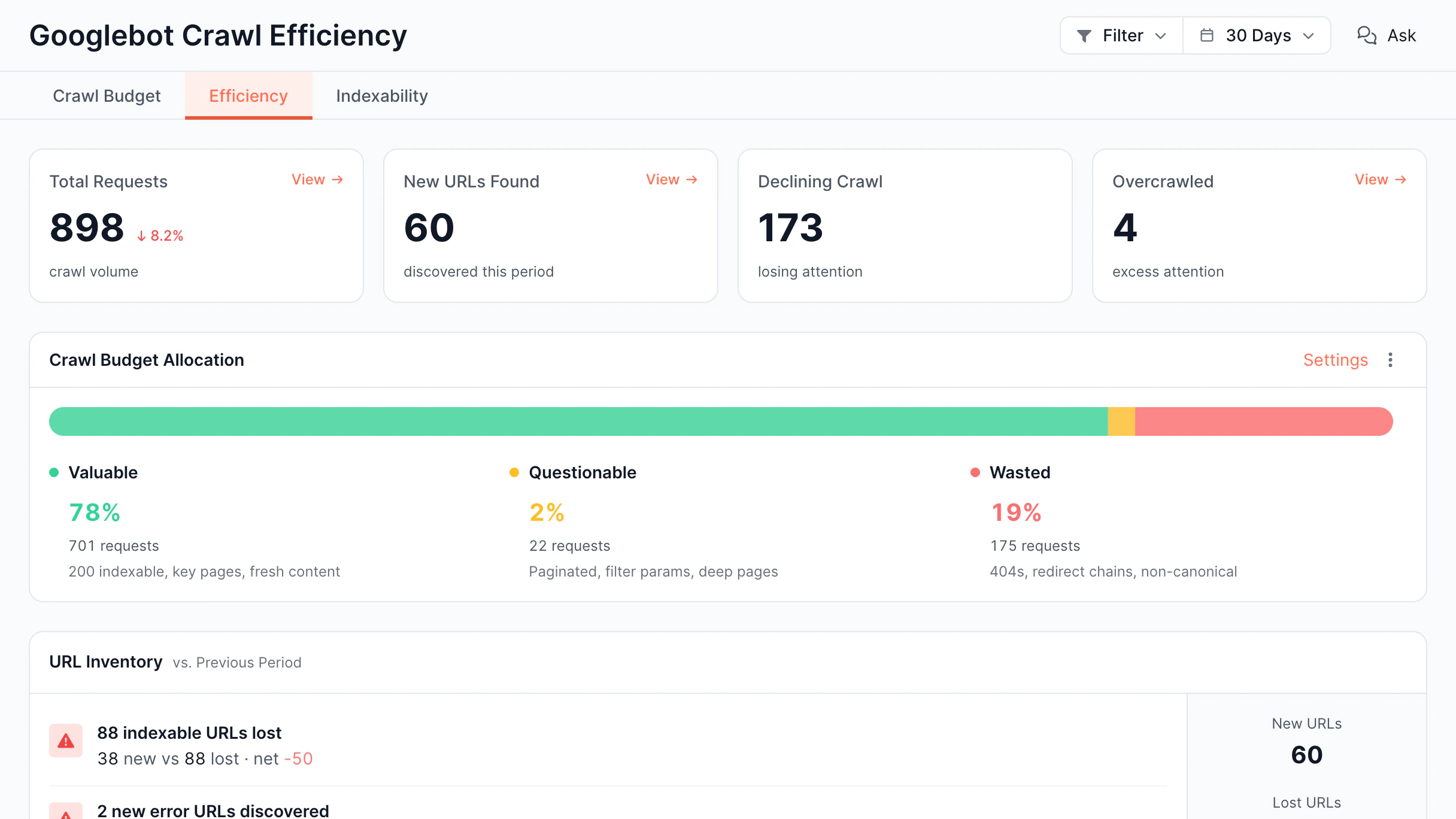
Googlebot crawl split into valuable, questionable, wasted.
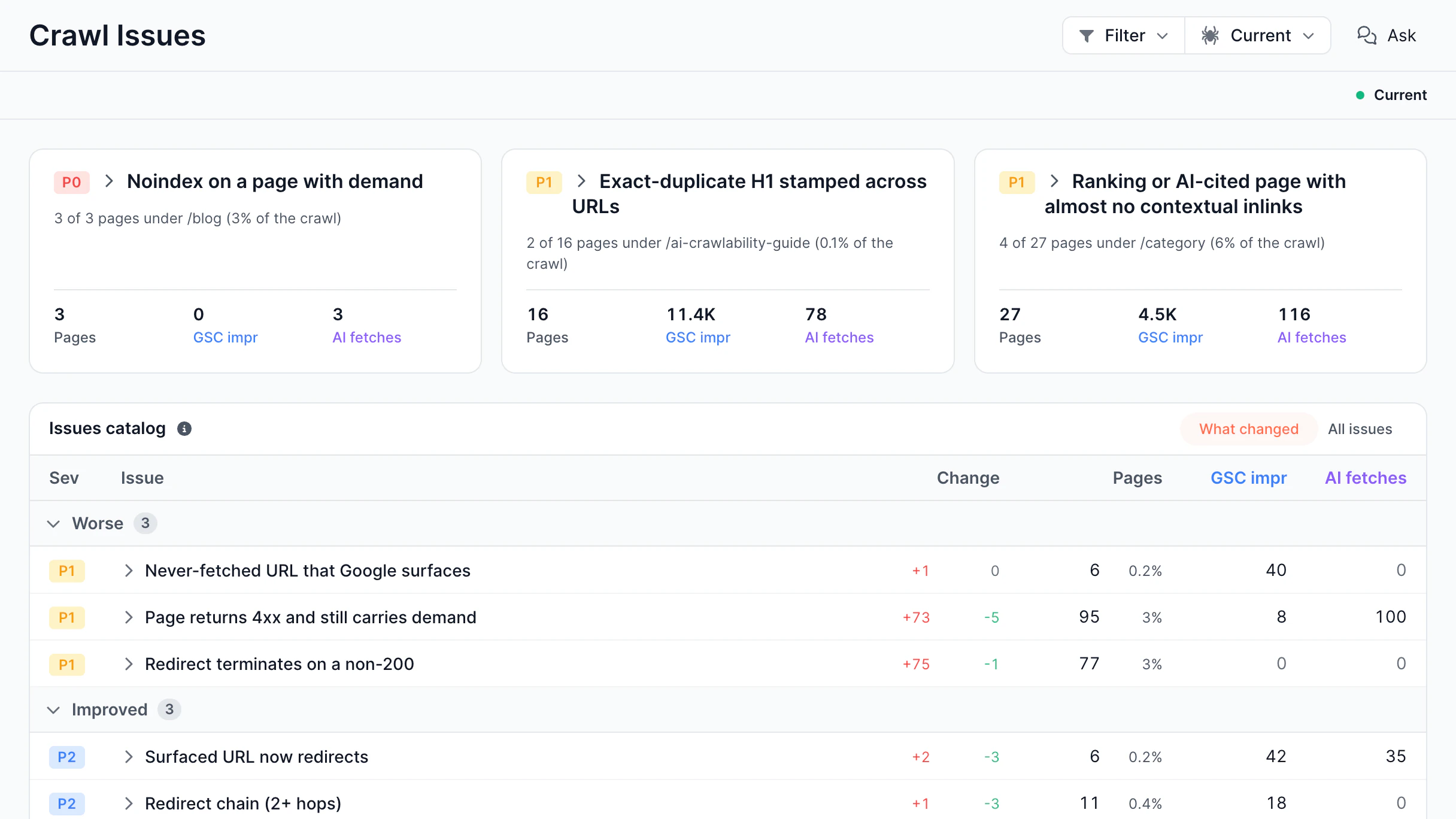
Audit issues that changed since the last crawl.
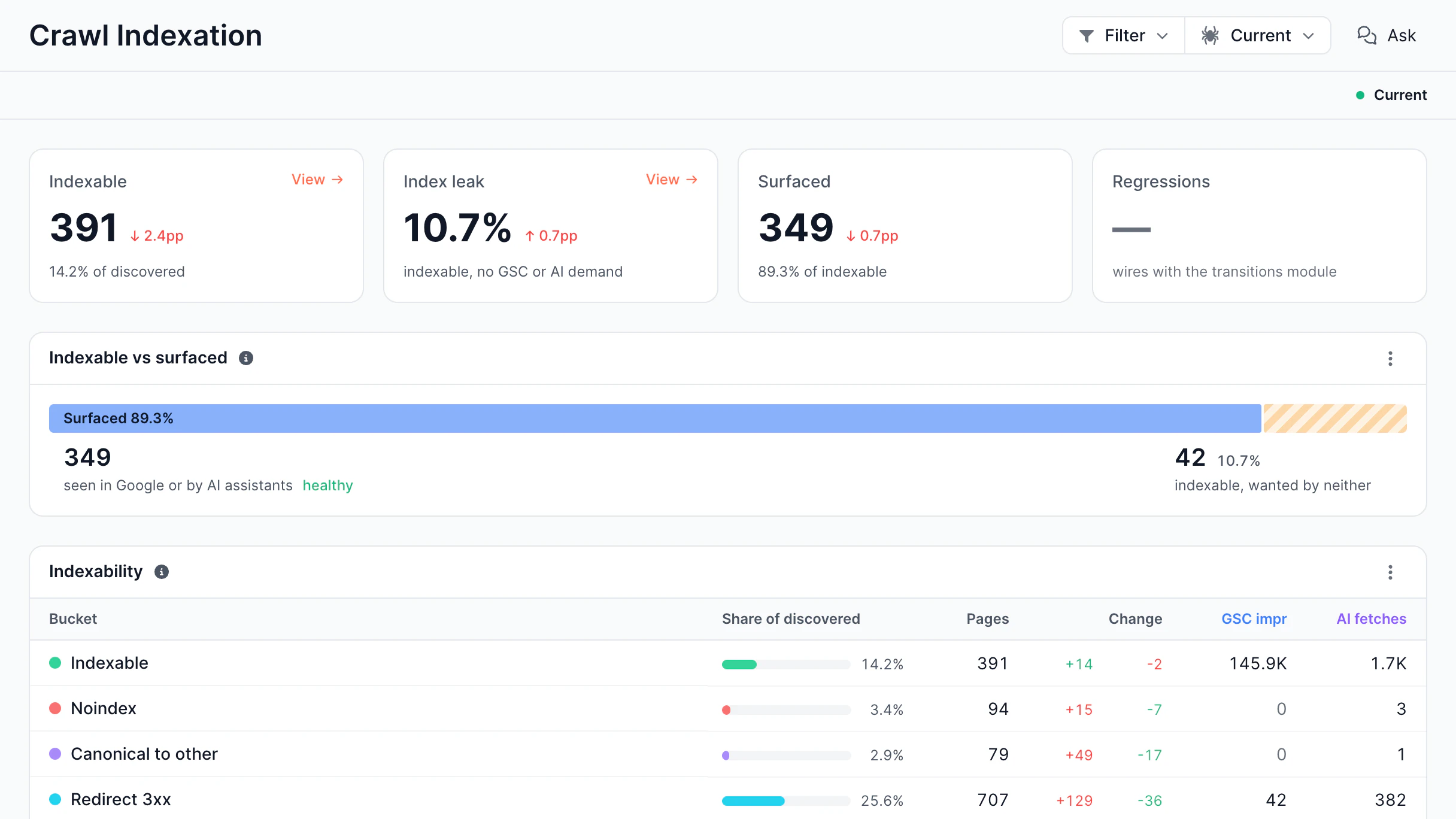
Indexable, noindex, canonicalized, and redirected pages.
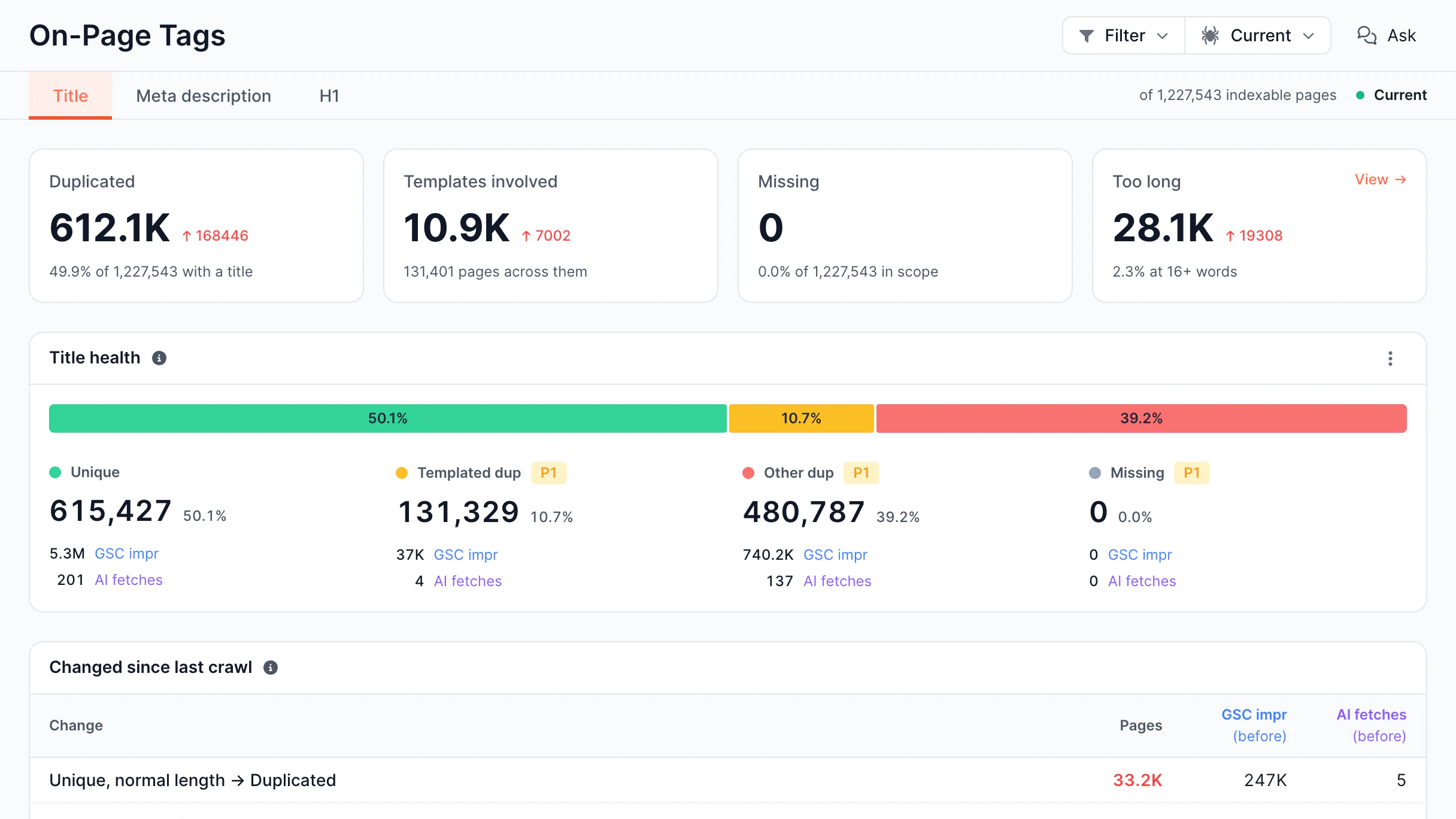
Duplicate, missing, and too-long titles.
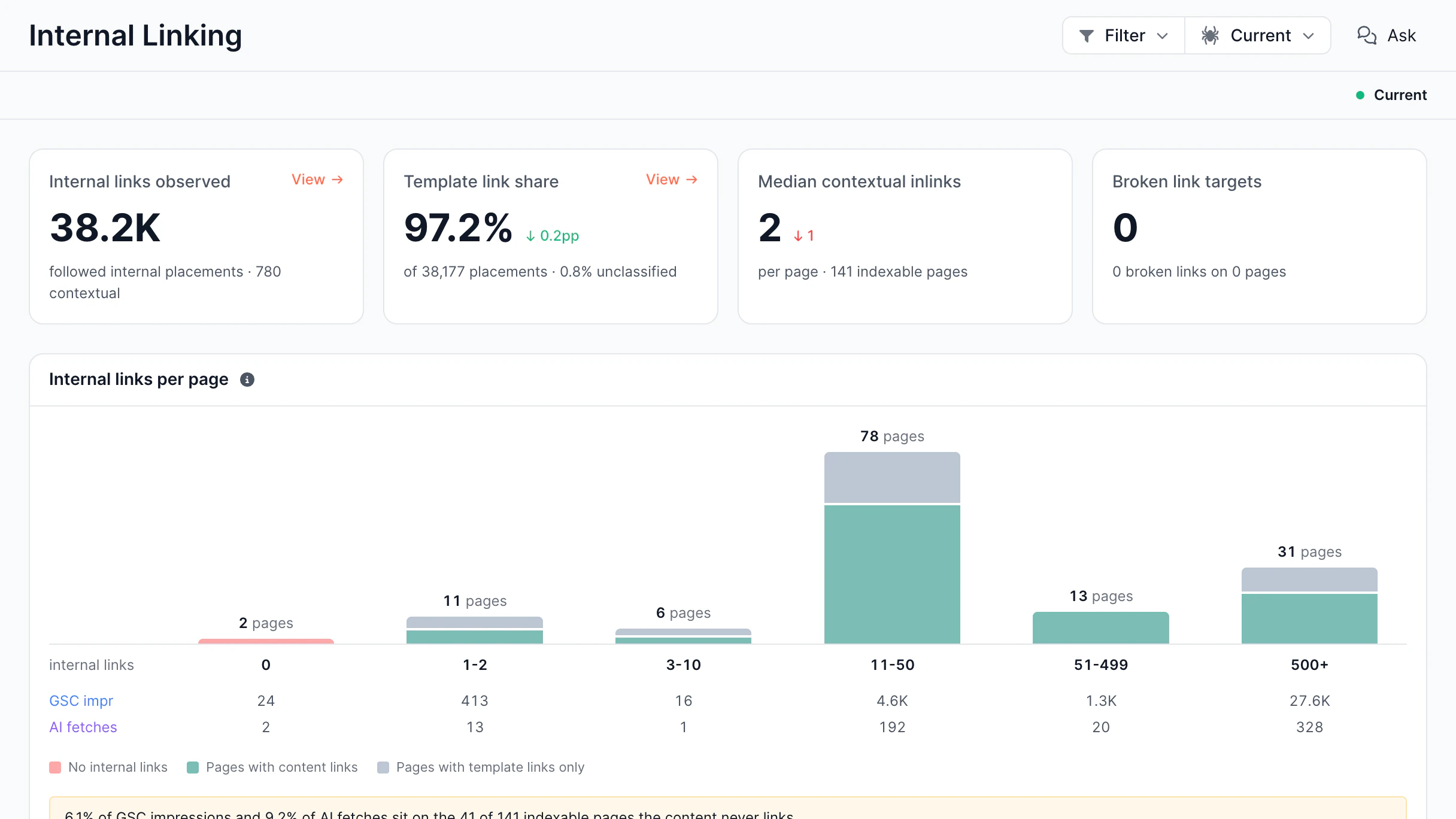
Internal links per page, content vs template.
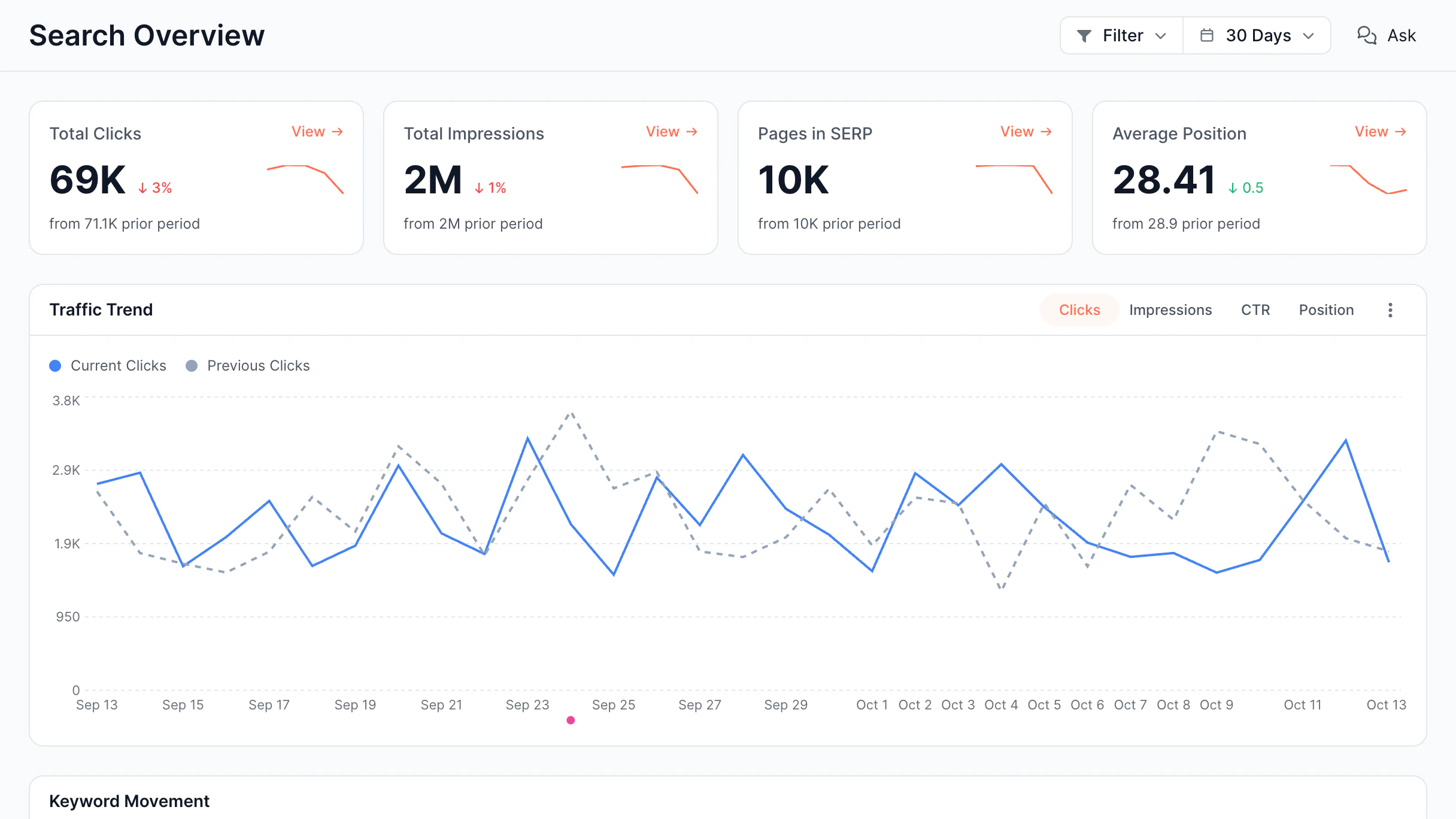
Search Console clicks, impressions, and position vs the previous period.
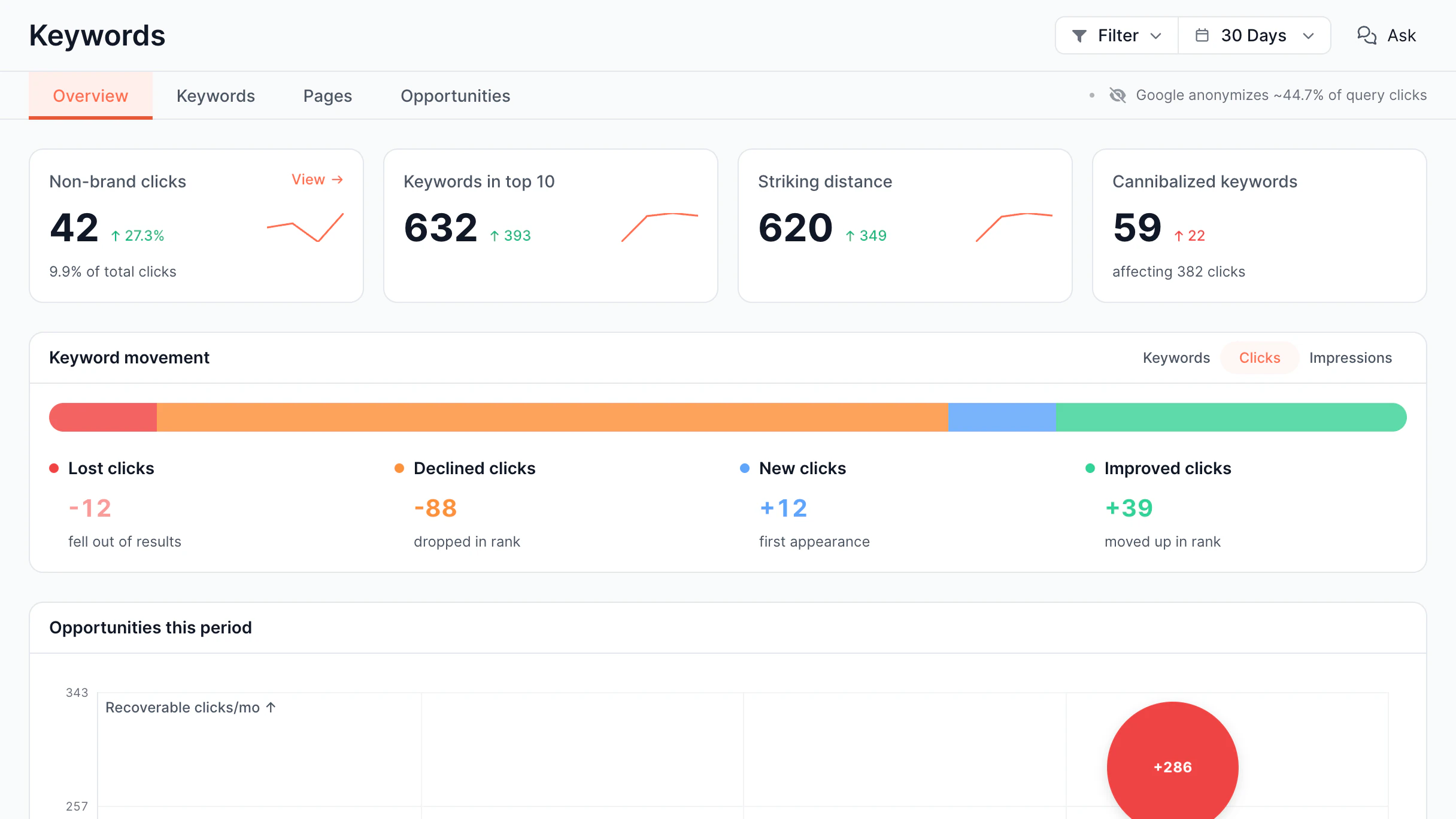
Keyword movement, top-10 counts, and striking-distance keywords.
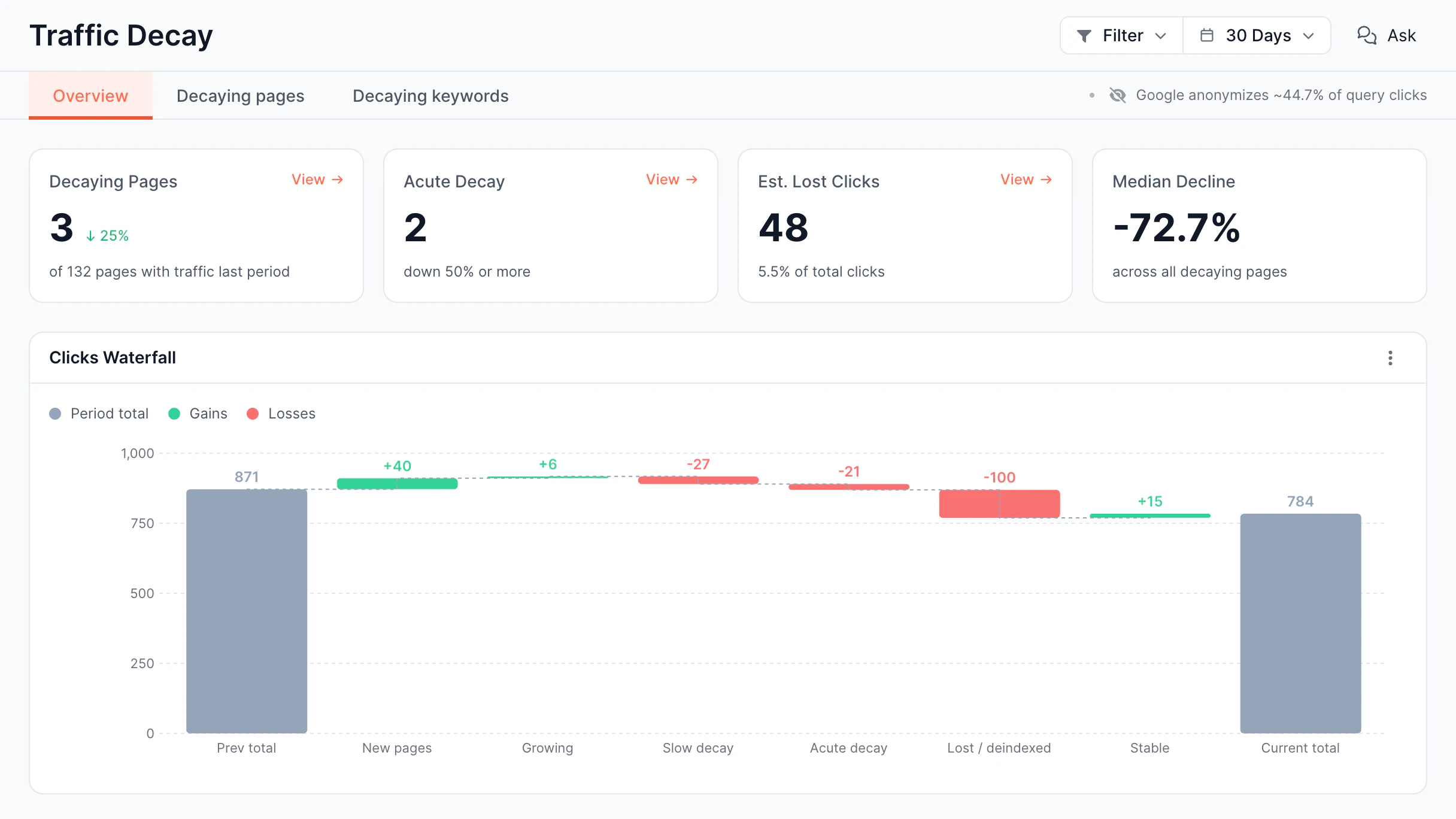
Pages losing clicks, split into slow decay, acute decay, and deindexed.
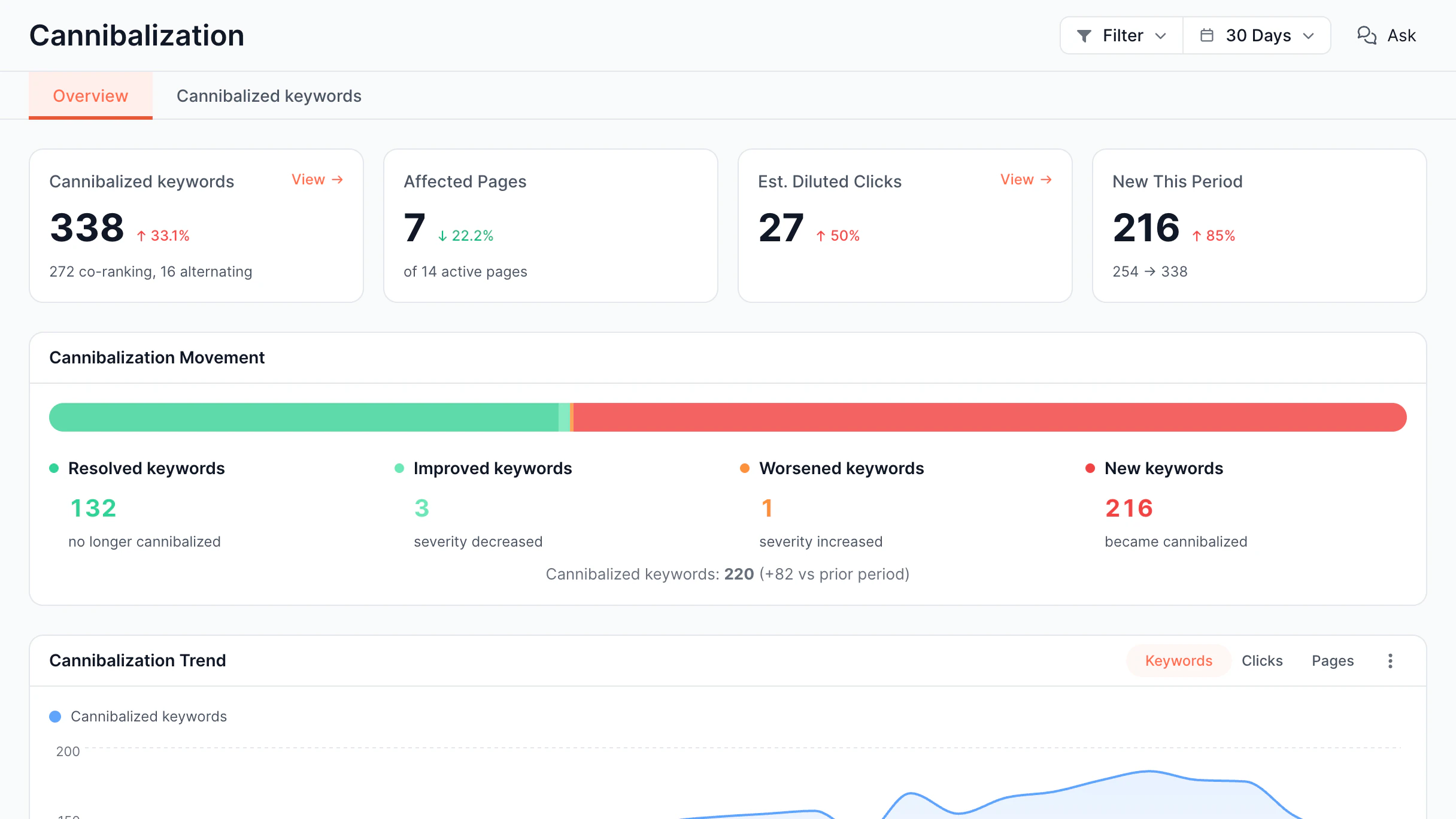
Keywords where several of your pages rank, and how that changed.
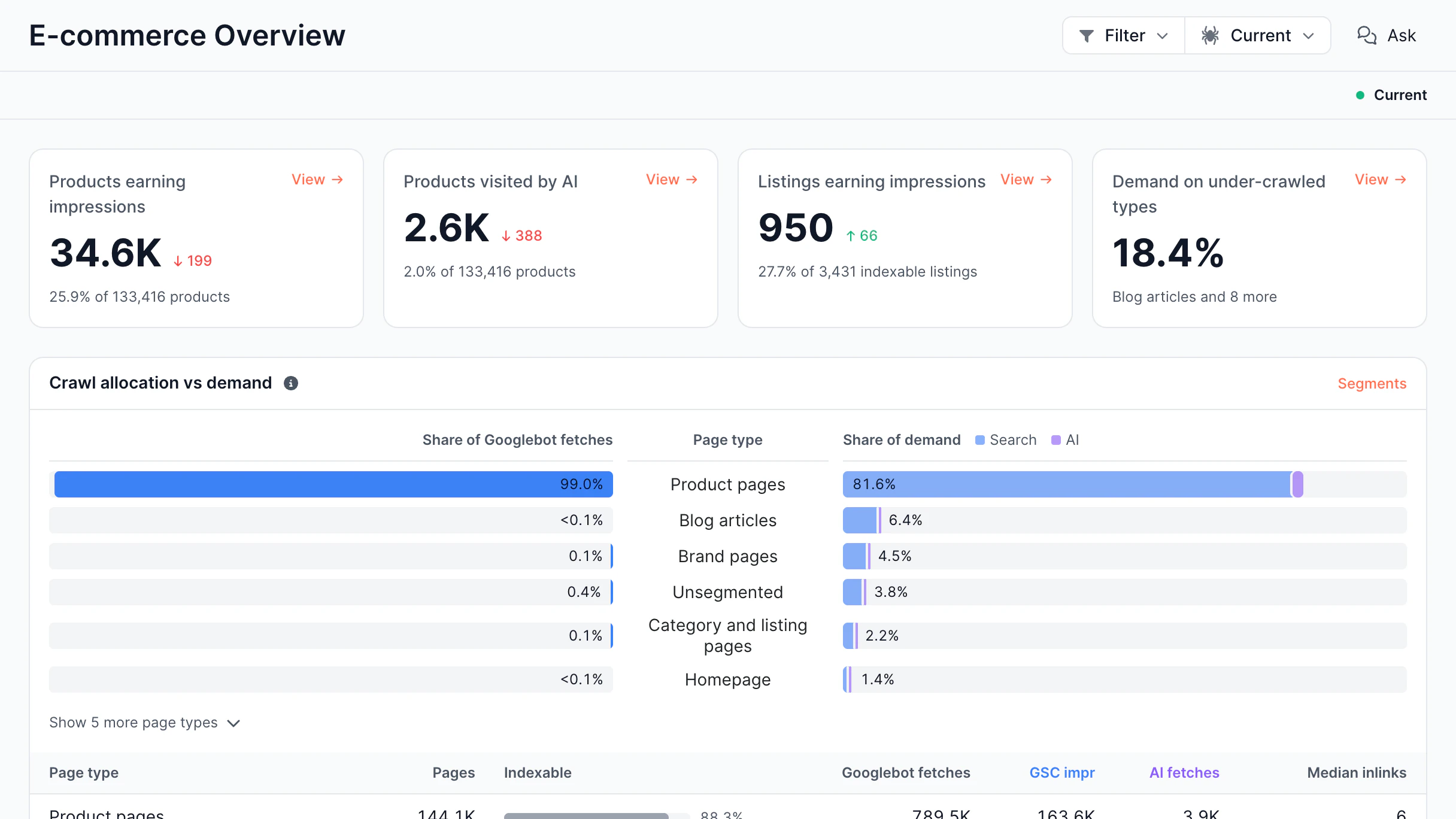
Googlebot fetches vs search and AI demand by page type.
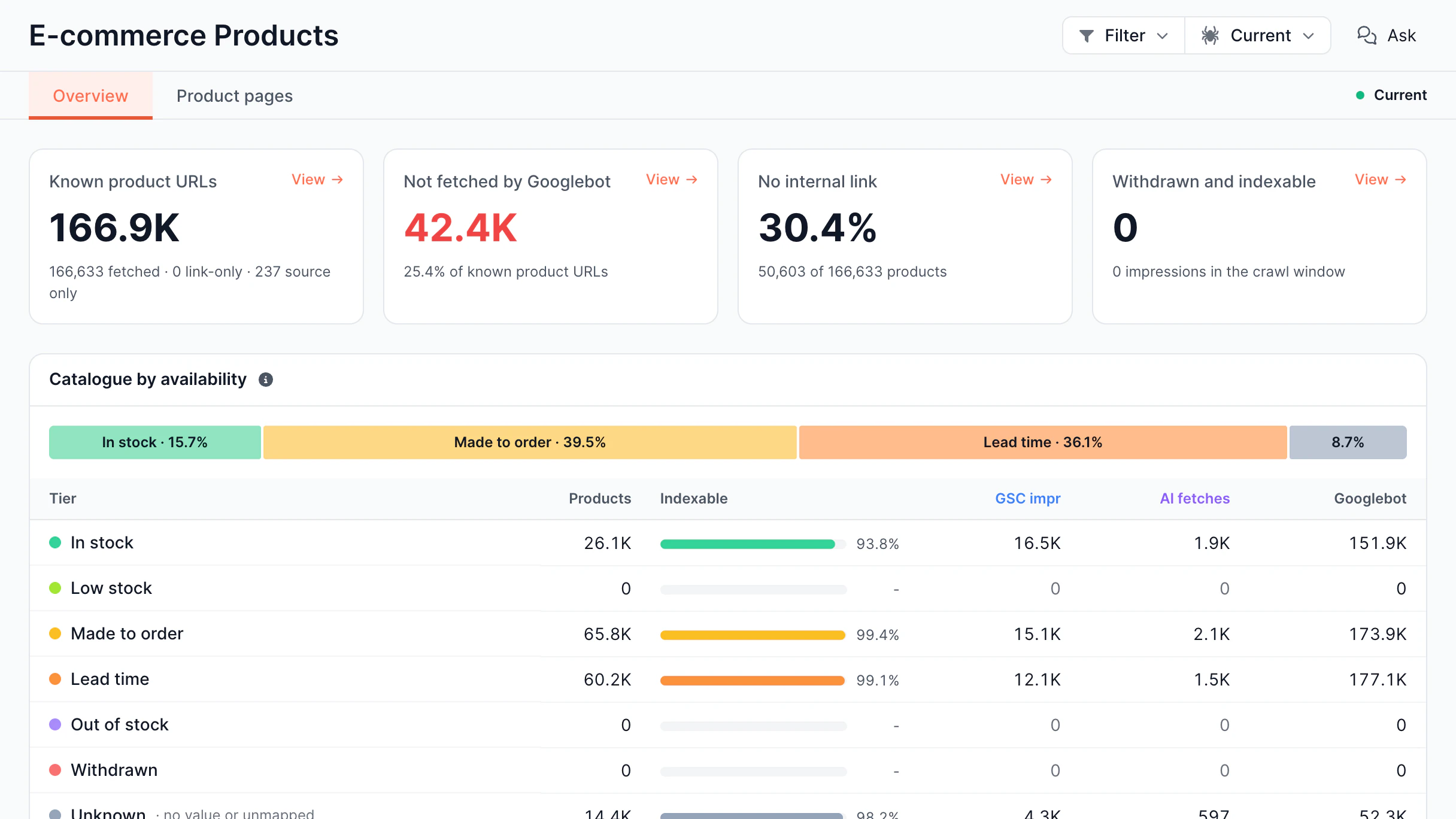
Products not fetched by Googlebot or not linked.
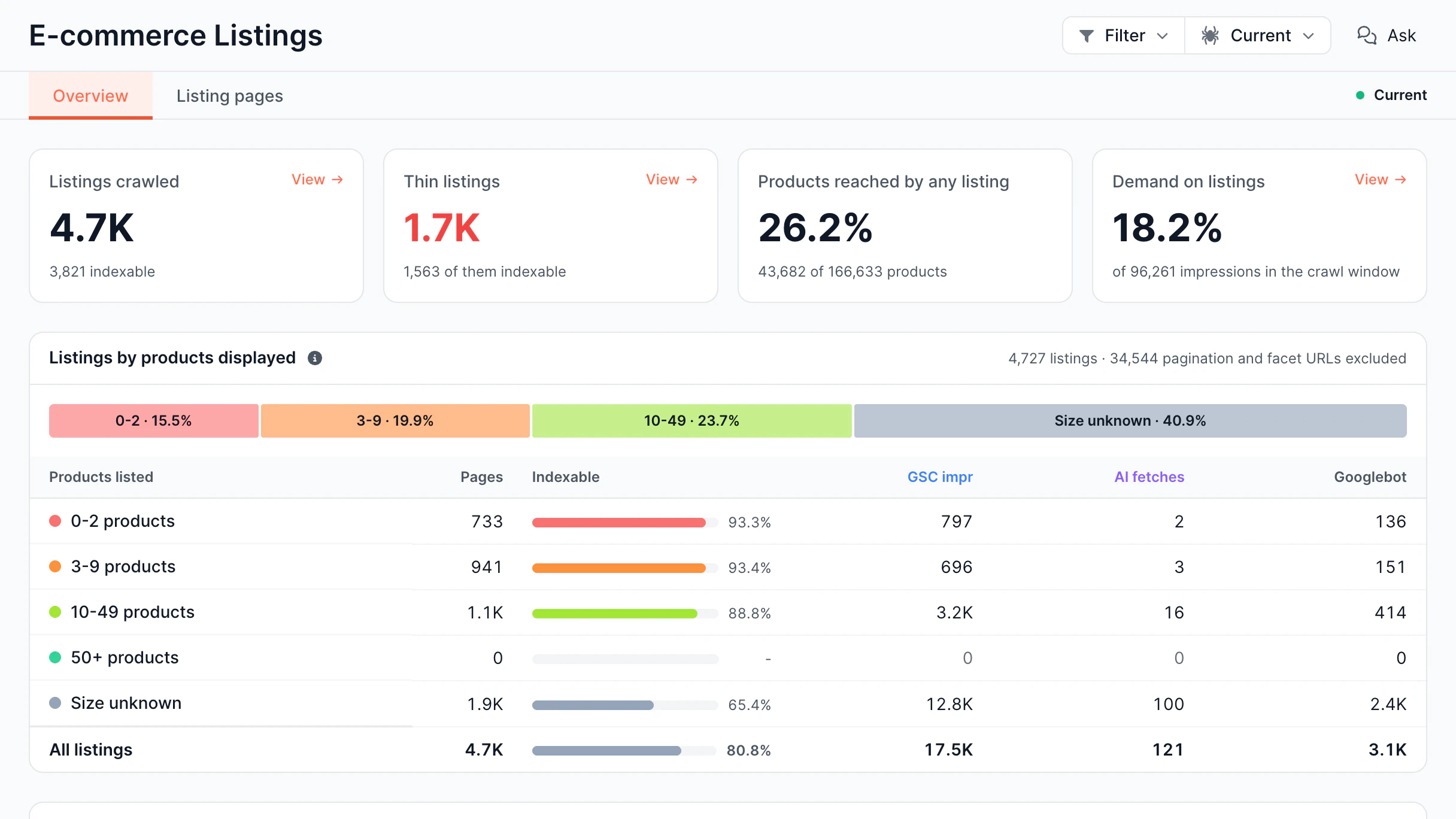
Category pages by number of products listed.
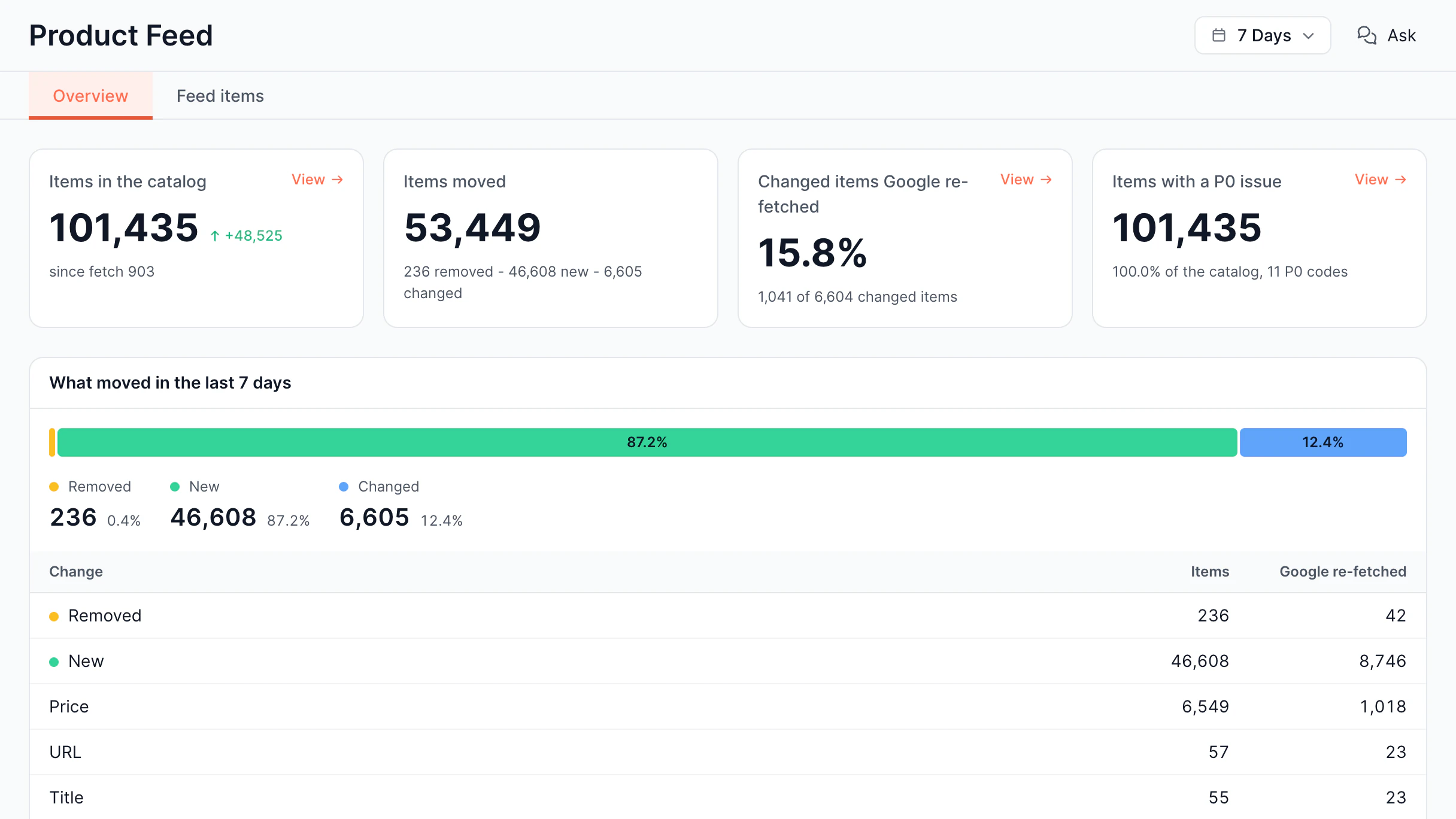
Merchant feed changes and Google re-fetches.
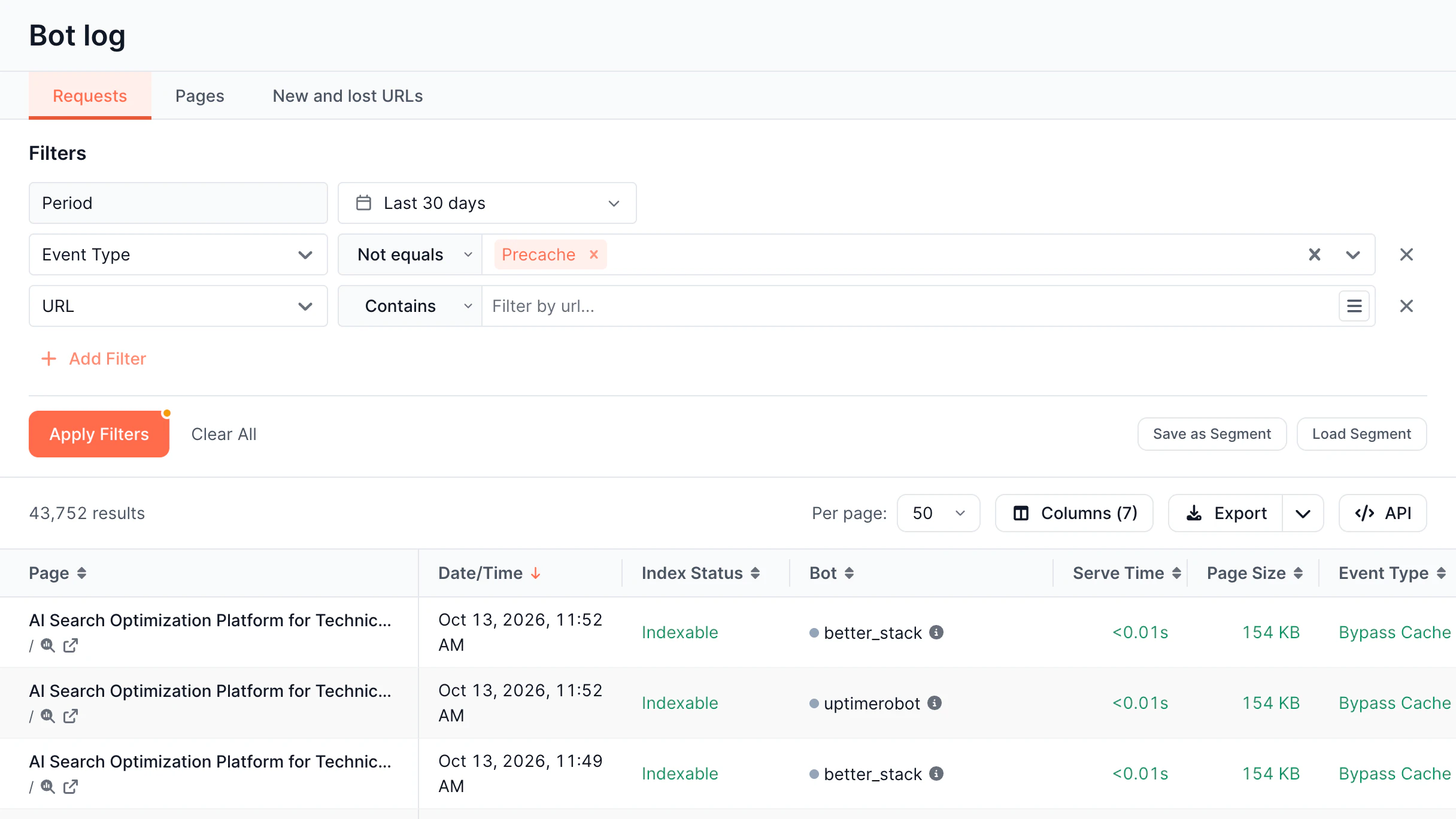
Table of every bot request with filters, segments, and export.
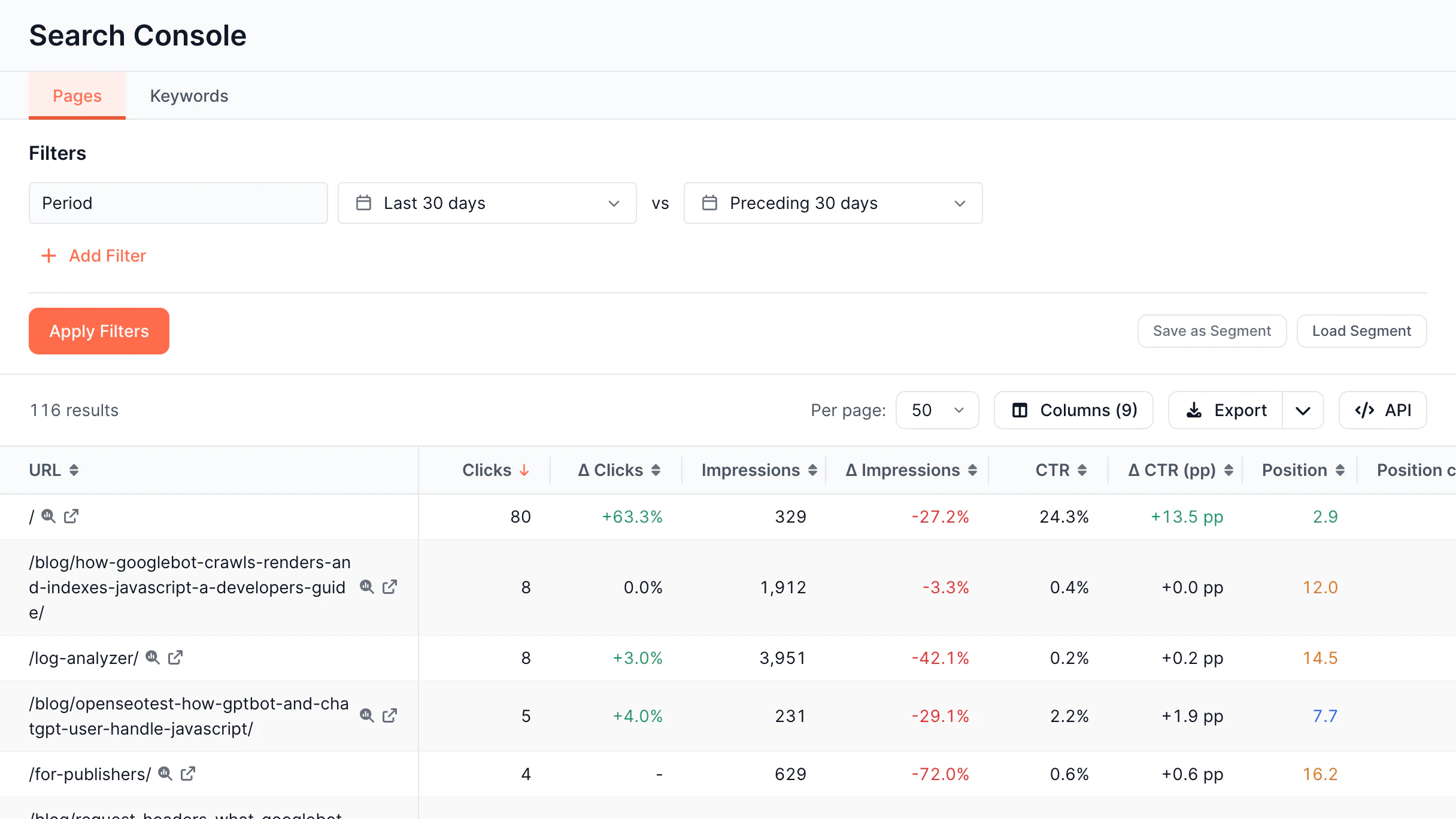
Search Console rows by page or keyword, with filters and period comparison.
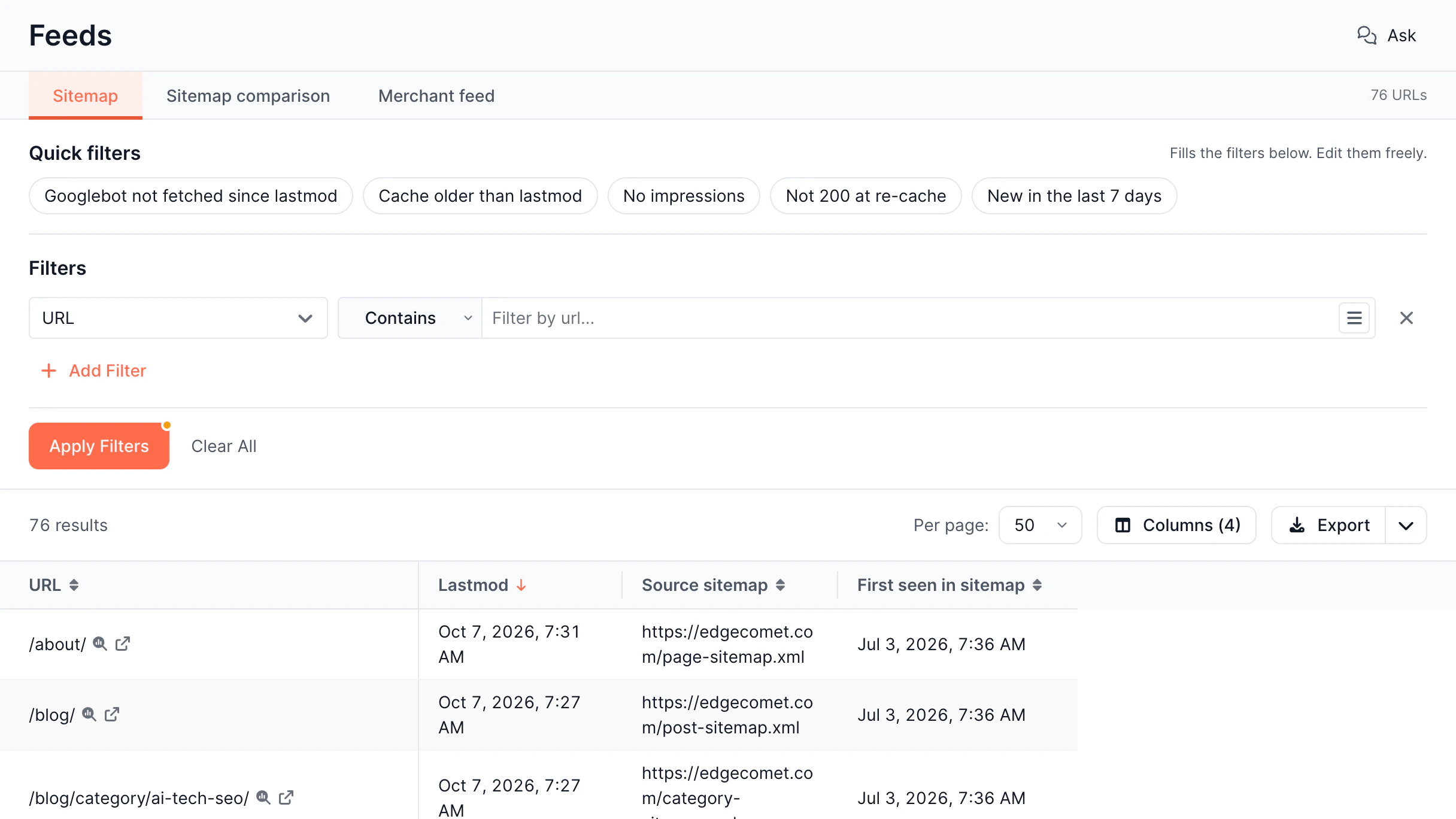
Sitemap and Merchant feed URLs with quick filters and export.
Improve indexing, visibility, and traffic from day one.
14-day free trial
Google News publisher SEO allows websites to maximize their visibility in Google News and make their content easy for Google to feature in News and Top Stories. The faster and cleaner your pages load, the better your chances of featuring.
Google News SEO can index JavaScript websites. However, articles that have dynamic content may be processed with a delay or missed, since Googlebot renders JavaScript separately. For websites with blog or editorial content submitted to Google News, rendering delays can mean articles never appear in rankings while the topic is still relevant. Pre-rendered HTML eliminates that risk by ensuring Google News bots see full content.
Some pages taking too long to load or relying on JavaScript to show content may never get indexed. By the time Google processes content, it becomes old, and the chance for Top Stories or Google News has already been missed.
Search engines and AI find content the same way – by following links and scanning sitemaps. However, for news, speed is crucial. A crawler that explores a fast and readable page will index it in seconds. If someone waits for content to fully load, they may simply leave your article.
Yes. EdgeComet helps publishers make articles accessible to AI crawlers, monitor bot activity, and fix technical issues that prevent content from being discovered in AI search.
The most frequent bottlenecks are slow server response times, JavaScript-dependent content, and exhausted bot budgets. If your website loads slowly, search engines allocate less crawling time. It results in fewer indexed articles.
Group URLs by section (news, evergreen, archive, tags) and compare how often verified Googlebot requests each one. EdgeComet does this from bot requests recorded as they are served, so large daily bot volumes need no log pipeline. Sections with no crawl in 28 days are the first to fix with internal links and sitemaps.
If the content requires JavaScript to be displayed, bots wait for it to completely render before they can read it. The wait reduces crawling budget and slows news article indexing. For AI, the issue is the same – if pages aren't instantly readable, they're less likely to be featured in answers.
EdgeComet is a real SEO expert for publishers that provides completely rendered HTML when crawlers arrive, reducing the wait for JavaScript rendering. The content becomes readable instantly, meaning faster news site indexing and a higher chance of being cited by AI. This results in higher traffic, more revenue, and crawl budget optimization for publishers.
EdgeComet's Log Analyzer tracks GPTBot, ClaudeBot, and other AI crawlers, showing request volumes, response times, and server errors. Compare activity before and after blocking bots to assess the impact on traffic and server load.
Stay ahead with expert insights on search visibility, AI optimization, and technical SEO
For fifteen years, the technical SEO job has started the same way: point a crawler at a site, wait, export...
Read Article
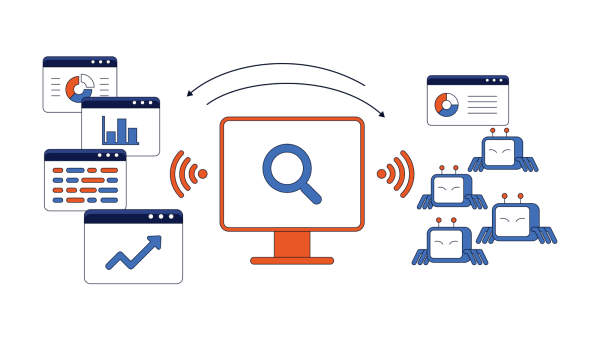
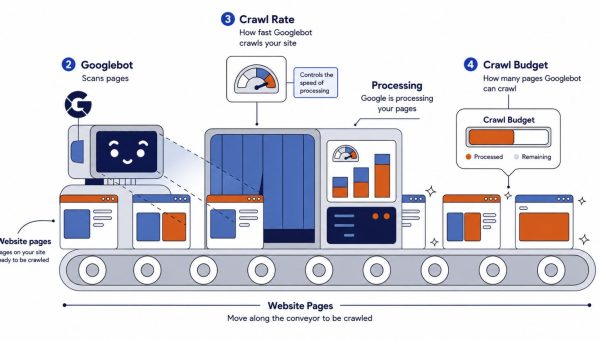
Crawl rate and crawl budget are two core concepts every technical SEO team should understand. Crawl rate is the speed...
Read Article
Since the AI revolution kicked off in 2022, Google’s AI Overviews, AI Mode, and third-party tools like ChatGPT or Perplexity...
Read Article